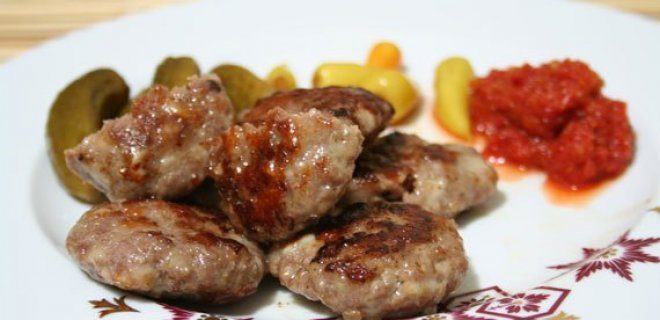
There is something deeply satisfying about biting into a warm, handmade meatball that oozes with melted cheese. If you have ever wondered how to make kaşarlı köfte nasıl yapılır properly, the secret is not just in the spices. It is in the texture of the meat and the choice of bread. This Turkish classic balances savory beef with gooey, salty cheese. You do not need fancy equipment. Just a bowl, your hands, and a few simple ingredients.
The Right Ingredients Matter
Many recipes fail because the meat is too lean or the binder is wrong. Start with the basics. You need 400 grams of ground beef. Fat content helps here. Without it, the köfte can turn out dry and tough.
Next, look at the starch. Traditional recipes call for stale bread. Use three slices of day-old bread interior. Soak it in water and squeeze out the excess liquid before mixing. This keeps the meatballs tender. Eggs act as the glue. One standard chicken egg is enough to hold everything together without making the texture rubbery.
For flavor, keep it simple but bold. One medium onion is essential. Grate it finely or mince it so there are no big chunks. The salt and black pepper are non-negotiable. Use two teaspoons of salt and one teaspoon of black pepper. For a little heat, add one teaspoon of red pepper flakes. Finally, fresh parsley adds color and a bright finish. Half a bunch is plenty.
Cheese Choice and Handling
The star of the show is the cheese. You need 100 grams of kaşar cheese. This specific Turkish cheese melts beautifully. It has a mild salty flavor that cuts through the richness of the beef. If you cannot find kaşar, mozzarella or a mild cheddar can work in a pinch. But kaşar provides that authentic taste.
Cut the cheese into small cubes. Not too small. You want a pocket of cheese in the center of each meatball. When you bite down, you want it to burst. Keep the cheese cold until the last moment. Warm cheese melts too fast into the meat before cooking.
Shaping and Cooking Tips
Mix the meat, soaked bread, egg, onion, spices, and parsley in a bowl. Knead it well. Your hands should do the work. This develops the proteins and makes the mixture sticky. It holds together better this way.
Take a portion of the meat. Flatten it in your palm. Place a cube of cheese in the center. Close the meat around it like a dumpling. Roll it into a ball or an oval shape. Make sure the cheese is fully enclosed. No leaks.
You can fry these in oil or bake them. Frying gives a crispier exterior. Baking is cleaner. Either way, cook until the outside is browned and the inside is cooked through. Serve them warm. Maybe with some fresh bread and a simple yogurt sauce.
The process is tactile. It connects you to the food. You feel the consistency changing. You learn by doing. Once you master the ratio of meat to bread, you can experiment. Add different herbs. Try different cheeses. But start with the classic recipe.
“The key to a good köfte is not overworking the meat.”
Over-kneading makes
The Edirne Twist on Cheese-Stuffed Meatballs
Forget everything you think you know about standard meatballs. This isn’t just about ground beef and breadcrumbs. This is Edirne-style kaşarlı köfte, a regional specialty that relies on a specific, almost alchemical combination of textures and flavors. The secret isn’t in the cooking technique alone—it’s in the assembly.
The foundation starts with kaşar cheese, sliced thinly. Not the hard, aged varieties you might find in tourist shops, but the softer, meltier slices that define this dish. You’ll pair this with finely chopped onions and fresh parsley. The parsley should be washed thoroughly and minced fine enough to disappear into the mix, providing a sharp, herbal counterpoint to the rich fat.
Crack an egg into a large bowl. Whisk it until it’s uniform. This is your binder. Into this egg mixture, add the minced onion, the breadcrumbs (yes, bread, not just meat), and the ground beef. Start kneading. And I mean kneading. You need to work the mixture until it becomes cohesive and slightly sticky. This isn’t just mixing; it’s mechanical integration.
Once the base is uniform, add salt and the parsley. Knead again. The texture should be pliable, not dry. Then comes the critical step. Take portions of the mixture—roughly the size of a walnut—and flatten them in your palm. Place a slice of kaşar cheese in the center. Enclose the cheese completely, rolling the meat around it to form a smooth, round sphere. If the cheese leaks out, the seal wasn’t tight enough. You’ll end up with a cheesy mess in your oven.
Arrange these spheres on a baking sheet. They shouldn’t touch. Space them out. Now, lay another slice of kaşar cheese directly on top of each raw meatball. This top layer will melt and brown, creating a crust that seals in the interior cheese while adding a savory, salty bite.
Bake for about 15 minutes. The heat needs to be high enough to brown the top cheese but gentle enough to cook the raw beef inside without drying it out. When you pull them from the oven, don’t stop there. Sprinkle them generously with black pepper and pul biber (Turkish red pepper flakes). The heat from the meatballs will activate the spices, releasing their aroma instantly.
Serve them hot. If you have a yogurt-garlic sauce or a simple tomato-based dip, now is the time to use it. But honestly? The richness of the kaşar and the spiciness of the flakes often stand alone.
Why This Method Works
The Edirne method diverges from other Turkish meatball recipes (kiyma köftesi ) primarily because of the double-cheese strategy. Most traditional recipes might include cheese mixed into the meat, but this style encases it and caps it.
This approach solves a common problem with homemade meatballs: dryness. The melting cheese inside acts as a moisture reservoir. The top slice adds a textural contrast—crispy on the outside, gooey on the inside. It’s a balance of soft and crisp, hot and savory.
Common Pitfalls to Avoid
- Overworking the meat: If you knead the beef for too long