

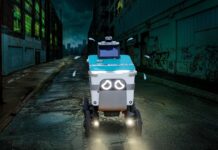


Humans are experiencing an unexpected emotional response to robots in public spaces — and the reasons why reveal a lot about how we interact with technology. From vandalized delivery bots to dancing machines malfunctioning in front of crowds, people are increasingly feeling sympathy (and sometimes anger) toward these machines. But why?
The explanation lies in decades of research showing that we instinctively treat computers as social entities when they meet three conditions: interactivity, natural language use, and the performance of tasks previously done by humans. Delivery robots and humanoid bots fit this criteria perfectly, triggering automatic social responses. As Penn State professor S. Shyam Sundar explains, “There’s an automatic social response that we have when we see someone being bullied…we don’t pause to say, this is a machine.”
Studies consistently show that humans display politeness toward computers, even attributing human-like qualities and worrying about their “feelings”. This isn’t a conscious choice; it’s a hardwired response. But design plays a major role too. Companies like Kiwibot intentionally create robots with anthropomorphic features (LED eyes, human names) to encourage empathy and reduce vandalism. As Felipe Chávez put it, “It’s very important to us to design our robots in such a way that people connect with them.”
However, this affection isn’t universal. For some, delivery bots represent wider anxieties about automation, economic inequality, and surveillance. Others simply find them irritating or uncanny, triggering the “uncanny valley” effect. Still, others take out their frustration on the machines themselves, kicking or tipping them over.
The rise of robots in logistics is inevitable, with the last-mile delivery market projected to be a $450 billion opportunity by 2030. As robotics and AI become more integrated into our lives, these strange human-bot interactions will only become more common. Ultimately, these machines are teaching us more about ourselves than we are about them. As sociologist Sherry Turkle suggests, they are “evocative objects” that force us to confront what it means when companies intentionally design machines to elicit attachment and protective feelings.