
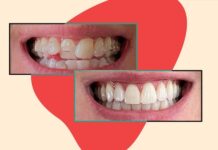



Invisalign has become a ubiquitous name in orthodontic treatment, promising a discreet and effective way to straighten teeth. But beyond the marketing, what does the process really entail? After completing my own Invisalign treatment in late 2024, I’ve compiled a practical, no-nonsense guide for anyone considering this option. The truth is, while Invisalign can be life-changing for confidence, it’s not a magical fix. It requires realistic expectations, financial planning, and a long-term commitment.
The Basics of Clear Aligner Therapy
Invisalign uses a series of custom-made, clear plastic aligners to gradually shift teeth into their desired positions. Unlike traditional braces, there are no metal brackets or wires; instead, you swap out a new set of aligners every one to two weeks. This method relies on gentle pressure to stimulate bone remodeling – breaking down bone on one side of a tooth and rebuilding it on the other, allowing movement. While effective, this process isn’t instant, and its success depends on several factors, including age and individual biology.
What You Need to Know Before Starting
The journey isn’t always smooth. Here’s a breakdown of common experiences and considerations:
1. It’s Not Truly Invisible. Marketing materials often downplay the reality. Many patients require “attachments” – small, tooth-colored buttons glued to teeth – to help the aligners grip and apply force effectively. While less noticeable than metal braces, these buttons are visible, and the aligners themselves aren’t entirely undetectable. Expect a slight adjustment period, and don’t be surprised if people notice.
2. Age Matters. Bone remodeling slows with age, making treatment less predictable and potentially slower. Hormonal changes in women, particularly during perimenopause and menopause, can further complicate the process. Orthodontists recommend careful planning for adult patients to ensure gum health and bite stability.
3. Tooth Shaving is Common. Interproximal reduction (IPR) – the removal of small amounts of enamel between teeth – is a standard procedure used to create space for straightening. While the amount removed is minimal, the idea can be unsettling. However, IPR also prevents “black triangles” (undesirable gaps between teeth) after treatment.
4. Refinements Are Likely. Most patients require “refinements” – additional aligners to fine-tune the results. Even with careful planning, teeth may not move exactly as predicted. Refinements can extend treatment time by months, even a year in some cases.
5. Long-Term Commitment is Crucial. Maintaining straight teeth after treatment requires a retainer – worn nightly for life. Skipping retainer wear can cause teeth to shift back towards their original positions. Retainers cost around $300 per set, and permanent wire retainers are another option. This ongoing commitment is non-negotiable if you want lasting results.
The Financial Reality
Invisalign isn’t cheap. The cost varies widely depending on the severity of your case, location, and orthodontist. Expect to pay several thousand dollars, and factor in the additional expense of retainers. Insurance coverage varies, so check your policy carefully.
The Verdict
Invisalign can be a transformative experience, boosting confidence and improving dental health. However, it’s not a quick fix. Expect discomfort, potential setbacks, and a lifelong commitment to maintenance. Go in prepared, manage your expectations, and choose a qualified orthodontist. If you’re willing to invest the time, money, and effort, the results can be worth it.