



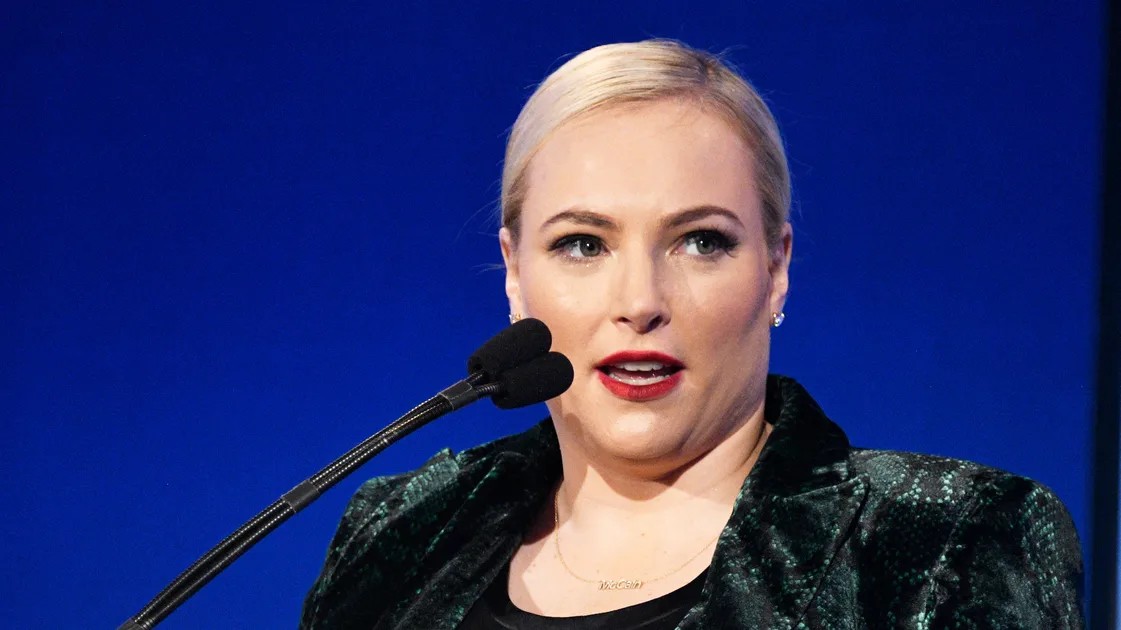
Meghan McCain sharply criticized the growing pressure within the MAGA movement for conservative women to prioritize motherhood, arguing that such messaging is “harsh” and excludes women who cannot or choose not to have children. On Monday, McCain took to X (formerly Twitter) stating, “We should be welcoming of all kinds of women and voters.”
The debate stems from an increasingly vocal push within conservative circles—particularly online through “tradwife” influencers and the pro-natalist movement—promoting traditional gender roles and high birth rates. This rhetoric has recently gained traction among prominent figures associated with MAGA.
Rising Voices Within the Movement
Several women connected to the movement have publicly emphasized motherhood as a paramount life goal. White House press secretary Karoline Leavitt proclaimed, “There is no greater joy in life than the joy that comes from being a mother. All young women should be told this!”
Erika Kirk of Turning Point USA urged young women to start families early, while Katie Miller, wife of Stephen Miller, asserted that “the most fulfilled a woman will ever be is raising babies in a house full of love.” Her controversial follow-up comment—that “sex is free” when challenged on the financial burdens of fertility treatments—further inflamed the discussion.
Backlash and Concerns Over Shame
McCain, who has publicly shared her own experiences with miscarriage, said she has received numerous private messages from women feeling shamed by this rhetoric. “So many women are feeling so much shame and I hate it,” she wrote, arguing that the messaging overlooks the realities of infertility, personal choice, and varying life paths.
Miller responded by suggesting that women should devote the same energy to finding partners as they do to their careers. This assertion was met with criticism for its dismissive tone and failure to acknowledge systemic barriers or individual circumstances.
McCain concluded that the conservative movement should adopt a “broader idea and more nuanced image of a conservative woman.”
This exchange highlights a growing tension within the right, where traditional values clash with the lived experiences of women who may not fit neatly into prescribed roles. The debate raises questions about inclusivity, reproductive freedom, and the pressure placed on women to conform to specific societal expectations.