




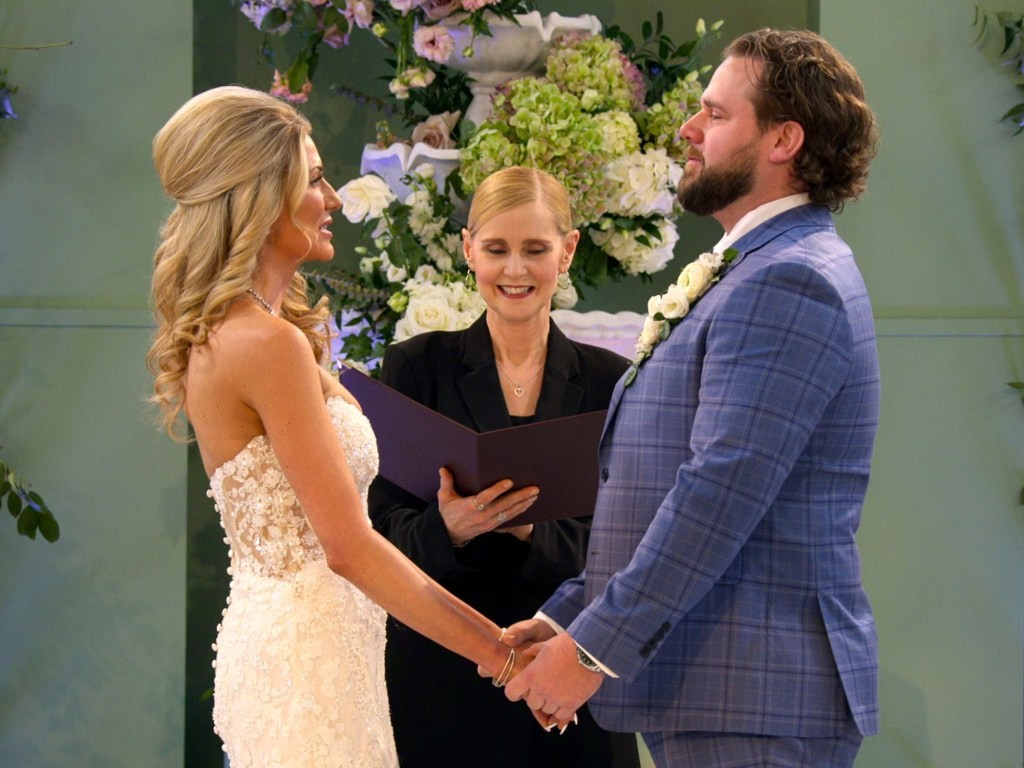
The Netflix reality show Love Is Blind promises a unique path to romance: emotional connection before physical attraction. However, the show’s success in creating viral moments doesn’t translate to lasting marriages. A significant number of couples who said “yes” at the altar have since said “no” in real life, highlighting the challenges of translating a manufactured environment into long-term compatibility.
The Pattern of Splits
Over the past several seasons, a striking trend has emerged: couples who appear deeply in love on camera often struggle to maintain their relationships beyond the honeymoon phase. The show’s format compresses months of dating into weeks, relying on manufactured drama and intensive emotional bonding. Once the cameras stop rolling, real-world pressures – financial stability, geographic compatibility, and individual growth – take center stage.
Several high-profile splits demonstrate this pattern. Amber Morrison and Jordan Faeth (Season 10) divorced just four months after their wedding, with both blaming the other for incompatibility. Jordan cited Amber’s trust issues, while Amber criticized Jordan’s reluctance to relocate to accommodate her life. This dynamic, where each partner feels unsupported, is common among these breakups.
The story of Alexa and Brennon Lemieux (Season 3) shows a similar trajectory. After a seemingly idyllic marriage and the birth of their daughter in 2024, they announced their split in December 2025. Their Instagram-perfect facade crumbled as they cited “heartfelt conversations” and mutual respect as reasons for ending their marriage.
Deeper Issues at Play
Beyond surface-level compatibility issues, several underlying factors contribute to the high divorce rate. Danielle Ruhl and Nick Thompson (Season 2) split after only one year, with Danielle attributing their failure to “personality compatibility differences.” Nick, meanwhile, publicly battled anxiety and depression following the split, revealing the emotional toll of a public breakup.
Jarrette Jones and Iyanna McNeely (Season 2) also divorced after a year, with Iyanna later revealing that Jarrette cheated on her days before filming the After the Altar reunion. This betrayal underscores a deeper issue: infidelity often lurks beneath the curated reality TV narrative.
The Illusion of Perfection
The show’s format encourages couples to present an idealized version of their relationship. When real-world challenges arise, the illusion of perfection shatters. Tyler Frances and Ashley Adionser (Season 7) split after just over a year, with Ashley citing a lack of mutual understanding and transparency. Tyler took accountability but admitted the relationship had run its course.
Colleen Reed and Matt Bolton (Season 3) ’s divorce after nearly four years highlights another issue: delayed incompatibility. Their argument-filled relationship was apparent even on the show, yet they waited until 2023 to live together, only to call it quits two years later. This suggests that fundamental differences were ignored in pursuit of maintaining the Love Is Blind narrative.
The Final Straw: Trust and Support
The most brutal splits reveal a lack of fundamental respect and support. Milton Johnson and Lydia Velez Gonzalez (Season 5) divorced after Lydia discovered Milton refused to sign divorce papers unless she signed an NDA, which she interpreted as an attempt to silence her truth. Lydia also accused Milton of being unsupportive when she was diagnosed with fibromyalgia, prioritizing financial concerns over her health.
The high divorce rate of Love Is Blind couples demonstrates that superficial connection and manufactured drama do not guarantee long-term success. The show’s premise may be intriguing, but the reality is that lasting relationships require more than just emotional intensity and viral moments.