




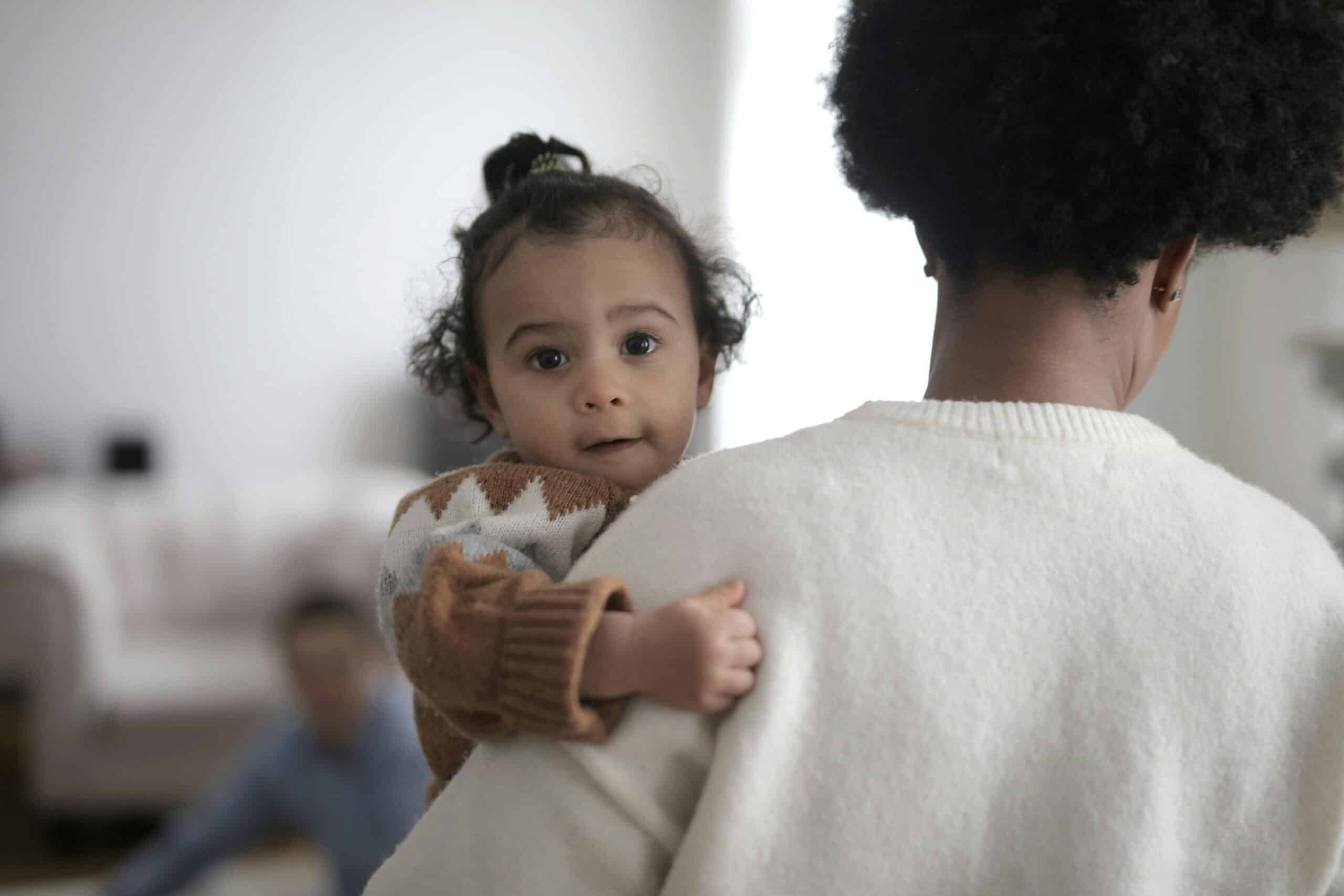
Why understanding your baby’s feelings – even during playtime – matters more than you think.
Secure attachment is the cornerstone of healthy emotional development. It isn’t just about meeting a baby’s basic needs (food, shelter, safety); it’s about how caregivers respond to those needs, particularly when the child is distressed. Recent research confirms that consistent emotional support, combined with a caregiver’s ability to accurately interpret a baby’s thoughts and feelings (known as “mind-mindedness”), predicts stronger attachment bonds.
The Blueprint of Relationships: What Secure Attachment Actually Means
Babies depend entirely on caregivers for survival, and this dependency shapes their first relationships. These early bonds aren’t merely about physical care; they act as a model for all future interactions. A child who consistently receives care and comfort learns the world is safe and trustworthy. Conversely, neglect or inconsistency can lead to lifelong difficulties in forming secure relationships.
Why this matters: Attachment isn’t just about infancy. It sets the stage for how children navigate social interactions, regulate emotions, and even how they form romantic partnerships later in life.
Communicative Style: How Caregivers Respond During Stress
How a caregiver reacts during stressful moments is critical. Some respond with warmth and support, while others dismiss, confuse, or ignore the child’s distress. Research consistently demonstrates that children with caregivers who offer emotional comfort are far more likely to develop secure attachment.
“Mind-Mindedness”: The Key to Emotional Attunement
“Mind-mindedness” is a caregiver’s ability to recognize and respond to a child’s internal states – thoughts, feelings, desires – even during calm, everyday interactions.
- It involves accurately interpreting cues like facial expressions, body language, and vocalizations.
- A mind-minded caregiver doesn’t guess what the child is thinking; they respond with sensitivity and consistency.
Example: A baby drops a toy and starts to cry. A mind-minded caregiver might say, “Oh, you’re frustrated! The toy fell. Let’s pick it up so you can play again.” This validates the baby’s feeling and offers reassurance. In contrast, a non-mindful caregiver might dismiss the distress, saying, “Oops! That’s nothing – look over here!”
Study Findings: Mind-Mindedness Predicts Secure Attachment
A recent study in Milan, Italy, with 88 mothers and their 12-month-old infants confirmed the link between mind-mindedness and attachment security. Researchers used the “Strange Situation Procedure” (a standardized test involving separations and reunions) to assess attachment.
The findings were clear:
- Emotional support matters: Mothers who provided comfort and acknowledged their child’s distress during stressful situations fostered secure attachment.
- Mind-mindedness amplifies support: Mothers who accurately interpreted their baby’s feelings during playtime were more likely to provide that same emotional support during the Strange Situation Procedure.
- Emotional support is key: When mothers were emotionally supportive, children were more likely to be securely attached.
How To Foster Secure Attachment: Practical Takeaways
To raise a child who feels safe and loved, caregivers must do more than just meet basic needs. They must also cultivate emotional attunement.
- Be present: Pay attention to your baby’s cues, even during quiet moments.
- Label emotions: Verbalize what your baby might be feeling: “You seem sad that the toy broke.”
- Offer comfort: Respond with warmth and reassurance during distress.
- Think about their thoughts: Try to see the world from your baby’s perspective.
Secure attachment isn’t a luxury; it’s a fundamental building block for healthy development. By prioritizing emotional attunement and consistent support, caregivers can give children the secure base they need to thrive.