


For generations, Italian kitchens have relied on specific tools and practices passed down through families. These aren’t just about cooking; they reflect a deep connection to resourcefulness, flavor, and family traditions. While modern kitchens often prioritize convenience, these staples remain relevant because they solve real problems efficiently, and offer a connection to the past.
The Legacy of Large-Scale Cooking
Many Italian kitchens traditionally feature oversized equipment designed for feeding large families or preserving harvests. This isn’t a matter of preference; it’s a direct result of historical foodways.
- Giant Colanders: Beyond draining pasta, these colanders were essential for washing garden-fresh produce, like beans, directly from the harvest. The sheer size allowed for quick, efficient processing of large quantities.
- Huge Pots: The same principle applies to cooking pots. Large-capacity cookware was necessary for preparing meals for extended families or preserving ingredients through boiling and long simmering. Brands like Tramontina still produce durable, heavy-duty pots capable of standing up to daily use.
Resourceful Food Preparation
Italian kitchens historically minimized waste and maximized flavor through techniques passed down through generations.
- Food Mills: Rather than discarding animal byproducts, Italian cooks traditionally ground organ meats (heart, liver, gizzard) into sauces. This practice wasn’t just economical; it added depth and richness to dishes while utilizing every part of the animal.
- Pillowcase Salad Spinners: Before modern kitchen gadgets, centrifugal force was harnessed using a simple pillowcase. This method efficiently dried washed greens without relying on electricity or expensive equipment.
Materials That Endure
Certain materials have long been prized for their performance and beauty in Italian cooking.
- Copper Cookware: Copper’s exceptional heat conductivity and retention make it ideal for precise cooking. While not exclusive to Italy, brands like Ruffoni and AllÓRA are known for their high-quality, artisan-crafted copper cookware. These pieces aren’t just functional; they are often displayed as decorations, reflecting the value placed on craftsmanship.
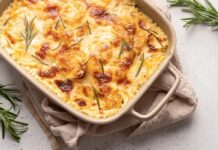
- Ceramic Bakeware: Ceramic cookware, particularly from brands like VIETRI and DaTerra Cucina, has long been favored for its even heating and durability. These pieces are often passed down as heirlooms, representing a connection to family and culinary history.
These tools and traditions underscore the practicality and resourcefulness of Italian cooking. They weren’t chosen randomly; they were honed over generations to solve real problems while preserving flavor and tradition.
The enduring popularity of these staples speaks to their effectiveness and cultural significance. They remind us that sometimes, the simplest solutions are the most reliable.