


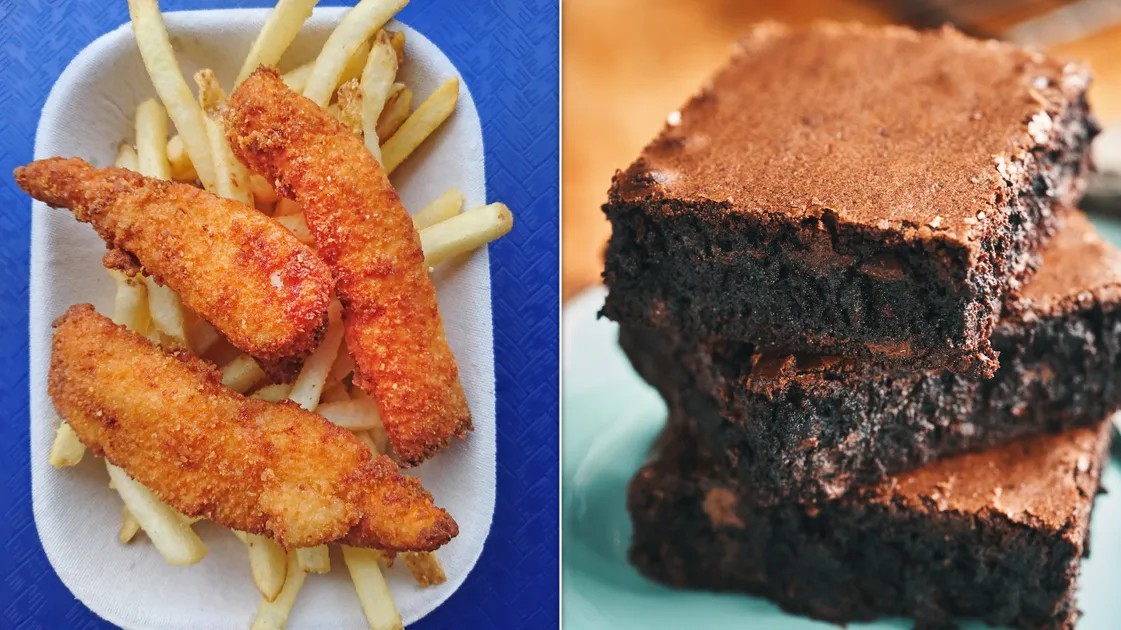
Parents often face immense pressure to control every aspect of their children’s diet, agonizing over “proper” nutrition while kids just want to enjoy eating. Ironically, many pediatricians – those who advise on healthy eating – allow their own children to indulge in foods often considered off-limits, like fast food, chicken tenders, and even dessert. This isn’t a contradiction; it’s a practical recognition that strict restriction can be more harmful than occasional treats.
The Reality of Family Meals
The reality is that parents, including doctors, are busy. Dr. Debra Langlois of the University of Michigan Health C.S. Mott Children’s Hospital admits to occasional fast food runs when juggling work and kids’ activities. This isn’t negligence; it’s acknowledging that perfection isn’t possible, and a balanced approach is key. Pediatricians often understand that stress over food can create anxiety and unhealthy patterns in children, potentially leading to sneaking or disordered eating later in life.
Common “Unhealthy” Foods Pediatricians Allow
Here are some surprising foods pediatricians admit their kids enjoy:
- Fast Food: A quick, occasional meal when time is short.
- Chicken Tenders: A convenient, affordable option for busy weeknights. Dr. Alicia Tucker suggests pairing them with healthy sides like salads or fruit.
- French Fries: Often oven-baked to reduce oil, sometimes using sweet potatoes instead. Dr. Tokunbo Akande emphasizes that occasional indulgence doesn’t derail overall gut health.
- Potato Chips: Dr. Adolfo Flores allows his 19-month-old to enjoy them occasionally, reinforcing the idea that a healthy diet includes variety.
- Dessert: Ice cream, cake, and cookies are common treats, offered in moderation. Dietitian Katherine Shary suggests setting clear boundaries without shame, like serving one brownie per person.
- Soda: Allowed on vacations or birthdays as a special treat by Dr. Rebecca Carter.
- Peanut Butter Chocolate Ice Cream: Dr. Paulina Tran, an allergist, supports her son enjoying this treat for allergy exposure.
The Bigger Picture: Modeling Healthy Habits
Pediatricians consistently highlight the importance of parental modeling. If kids see their parents enjoying a variety of foods, including treats, they’re more likely to develop a healthy relationship with eating. Dr. Tucker recommends putting out healthy snacks alongside treats to encourage balance. The goal isn’t perfection but creating a positive mealtime environment where food isn’t a source of shame or restriction.
“Creating a positive mealtime environment where kids feel safe, heard and included often matters just as much as what’s on their plate.” — Dr. Anisha Abraham, Chief of Adolescent Medicine at Children’s National Hospital
Ultimately, pediatricians agree that the vibe at the dinner table matters more than the exact menu. Relaxed, joyful relationships with food support not only physical health but also emotional well-being. The key takeaway: a little flexibility and a lot of love are far more effective than rigid control.