



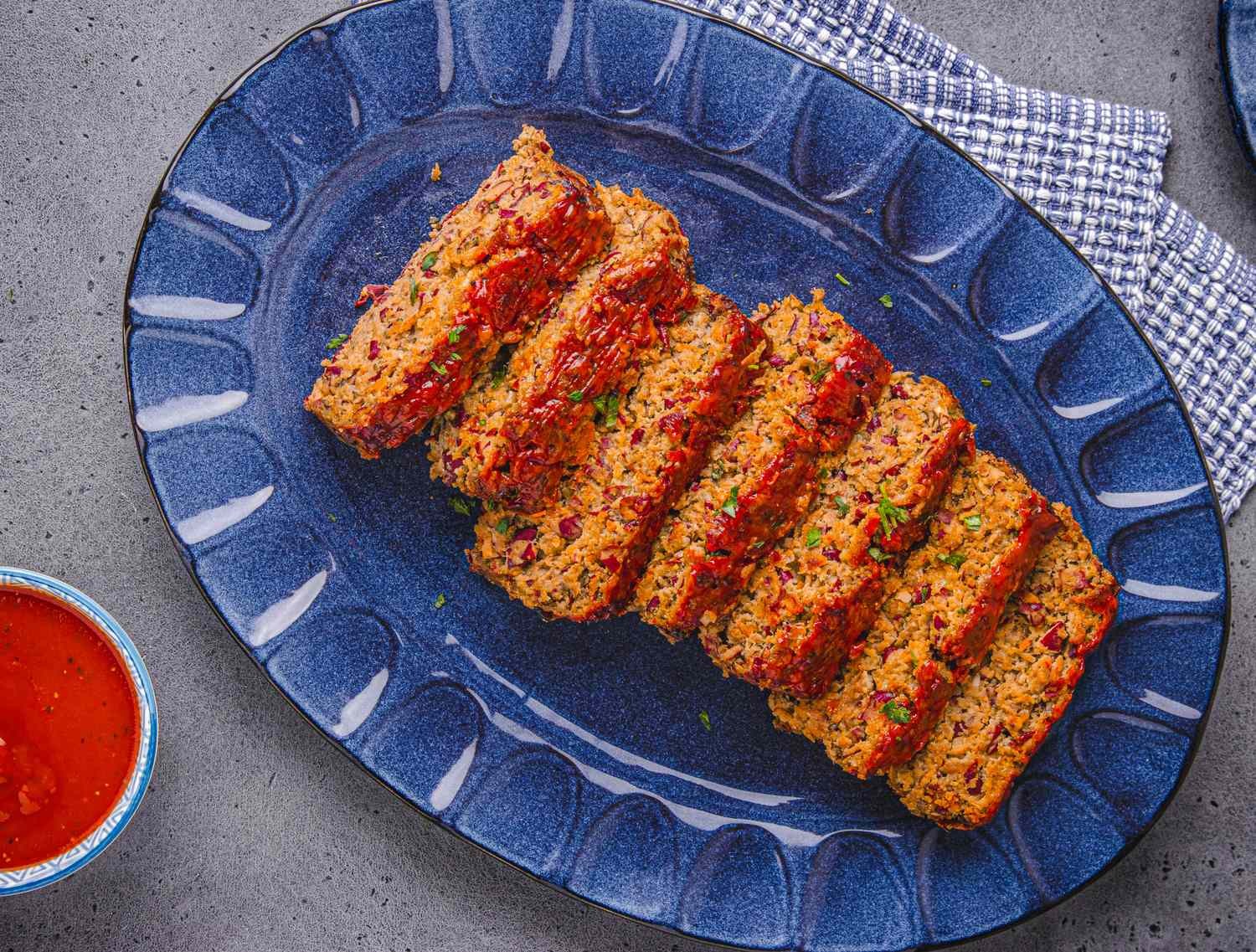
For generations, meatloaf has been a staple of home cooking – a dish that evokes comfort, nostalgia, and hearty family meals. But modern cooking demands flexibility. This recipe reimagines the classic meatloaf, reducing meat content without sacrificing flavor or texture, proving that less can indeed be more.
The Evolution of a Classic
Traditional meatloaf relies heavily on ground meat for structure and moisture. However, by strategically substituting ingredients, we can achieve a similar result with a lighter footprint. The key is understanding why meatloaf works: the savory base, moisture retention, and cohesive texture. This recipe tackles each element deliberately.
The Secret Ingredient: Beans
Instead of relying solely on meat, this method incorporates dried beans. The beans aren’t just filler; they provide savory depth, retain moisture, and reinforce the loaf’s structure when properly prepared. This approach addresses a common concern: reducing meat can lead to a dry, crumbly meatloaf. The solution is intentional handling.
Techniques for a Juicy Result
Several techniques borrowed from culinary experts like Kenji López-Alt ensure a juicy, flavorful outcome:
- Roasting Beans: Drying and roasting kidney beans before mixing removes excess moisture and concentrates flavor, preventing a pasty interior.
- Flavorful Meat Blend: High-quality ground meat – beef, pork, or pre-mixed blends – delivers essential savoriness without requiring a complex ratio. The beans handle structure; the meat contributes flavor.
- Gelatin Boost: Adding bloomed gelatin (mixed with chicken stock and milk) locks in moisture, ensuring a tender, cohesive texture that mimics the binding effect of meat proteins.
- Pre-Cooked Aromatics: Sautéing onions, carrots, celery, and garlic first drives off excess water and intensifies their sweetness, preventing a soggy loaf.
- Lacquered Glaze: Finishing with a high-heat glaze (ketchup plus a touch of gochujang for a spicy-sweet kick) creates a glossy, caramelized crust.
Why This Matters
The shift toward less meat isn’t just about health or sustainability. It’s about adaptability. By rethinking core ingredients, we can make familiar dishes more versatile and efficient. Meatloaf, with its forgiving nature, is the ideal test case.
The result is a meatloaf that feels familiar yet fresh – rich, savory, and satisfying without being overly heavy. The techniques used here are applicable beyond this recipe, offering a path to more mindful and flavorful cooking.