


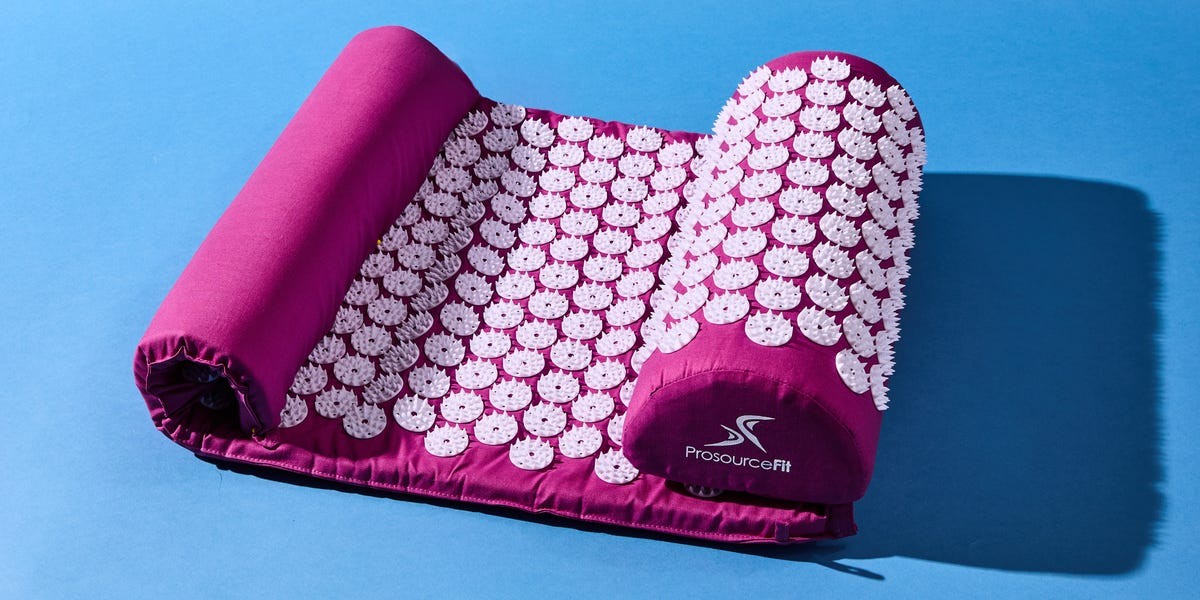
Acupressure mats are gaining popularity as a low-cost, accessible way to manage stress and muscle soreness. Though not a medical breakthrough, these foam mats covered in plastic spikes offer a unique sensation that many users find surprisingly effective. According to Dr. Kevin McCarthy, an osteopathic and sports medicine physician, the spikes stimulate pressure points, potentially reducing stress, relieving muscle aches, and improving sleep quality.
What Are Acupressure Mats?
These mats aren’t mainstream, but they’re building up a following with health-conscious people who need help chilling out. They’re designed to mimic the effects of acupressure, a traditional Chinese medicine technique that involves applying pressure to specific points on the body. The sensation can be uncomfortable at first, but many users report feeling a rush similar to a runner’s high as they adapt.
Limited Research, Real Results
It’s crucial to note that scientific research on acupressure mats is limited. While some studies suggest acute pain reduction and relaxation, Dr. McCarthy emphasizes that they are not a miracle cure. However, anecdotal evidence abounds, with many people swearing by the mats for stress relief and muscle recovery.
“Although there is limited evidence in regards to their overall benefit, the best-documented physiologic effects are acute pain reduction, relaxation, and improved sleep quality,” McCarthy says. “But the evidence is still limited, and they’re not a miracle cure.”
Who Should Use Them?
Acupressure mats are best suited for managing minor health issues, such as muscle soreness and stress. They should not be used as a substitute for medical care. If you have chronic pain or a serious health condition, consult a doctor instead of relying on an acupressure mat. Pregnant women, individuals with skin disorders, or heart conditions should also seek medical advice before use.
Choosing the Right Mat
If you decide to try an acupressure mat, consider these factors:
- Size: Choose a mat that fits your body length for full back coverage. Smaller mats are ideal for travel or targeting specific areas like the neck and shoulders.
- Material: Look for high-quality cotton or linen with non-toxic plastic spikes (medical-grade ABS plastic is preferred). Breathable materials and removable, washable covers are a plus.
- Spike Density: More spikes mean less intense pressure per spike, making the mat more comfortable. Avoid mats with fewer than 4,000 spikes, as they may cause excessive pain or bruising.
- Accessories: Pillows, carrying bags, and storage straps can enhance comfort and portability.
How to Use Safely
Start slowly – five to ten minutes is enough for beginners. Use a thin T-shirt as a barrier if the sensation is too intense. Stop if you experience pain or dizziness.
In conclusion, acupressure mats offer a low-cost, accessible way to explore stress relief and muscle recovery. While research is limited, many users report positive effects. Approach with realistic expectations and prioritize safety by consulting a doctor if you have underlying health conditions.