



Oranges are a staple in cuisines worldwide and a reliable source of bright flavor when the weather turns dreary. With over 600 types grown globally, navigating the citrus section can be confusing. This guide breaks down the most common varieties, explains their differences, and teaches you how to pick the perfect orange for juicing, snacking, or cooking.
The Origins of Citrus
Oranges belong to the Rutaceae family, which includes lemons, limes, and grapefruit. They evolved from ancient ancestors like pomelos and mandarins. Originally from southern China, northern India, and Southeast Asia, oranges spread to Europe via trade routes during the Middle Ages. Today, subtropical regions like Brazil, Mexico, and the United States produce them on a massive scale.
There are two main categories of oranges: sweet oranges (Citrus sinensis ) and sour/bitter oranges (Citrus aurantium ). Mandarins (Citrus reticulata ) – including tangerines, clementines, and satsumas – are often grouped with oranges but are genetically distinct.
Decoding Orange Varieties
Valencia Orange:
* Flavor: Balanced sweet-tart
* Season: March–June (unique late-season availability)
* Use: Primarily for juicing due to its high juice content and slightly acidic sweetness.
* Fun Fact: Named after Valencia, Spain, but ironically, the variety was actually discovered in California by a homesick Spanish visitor.
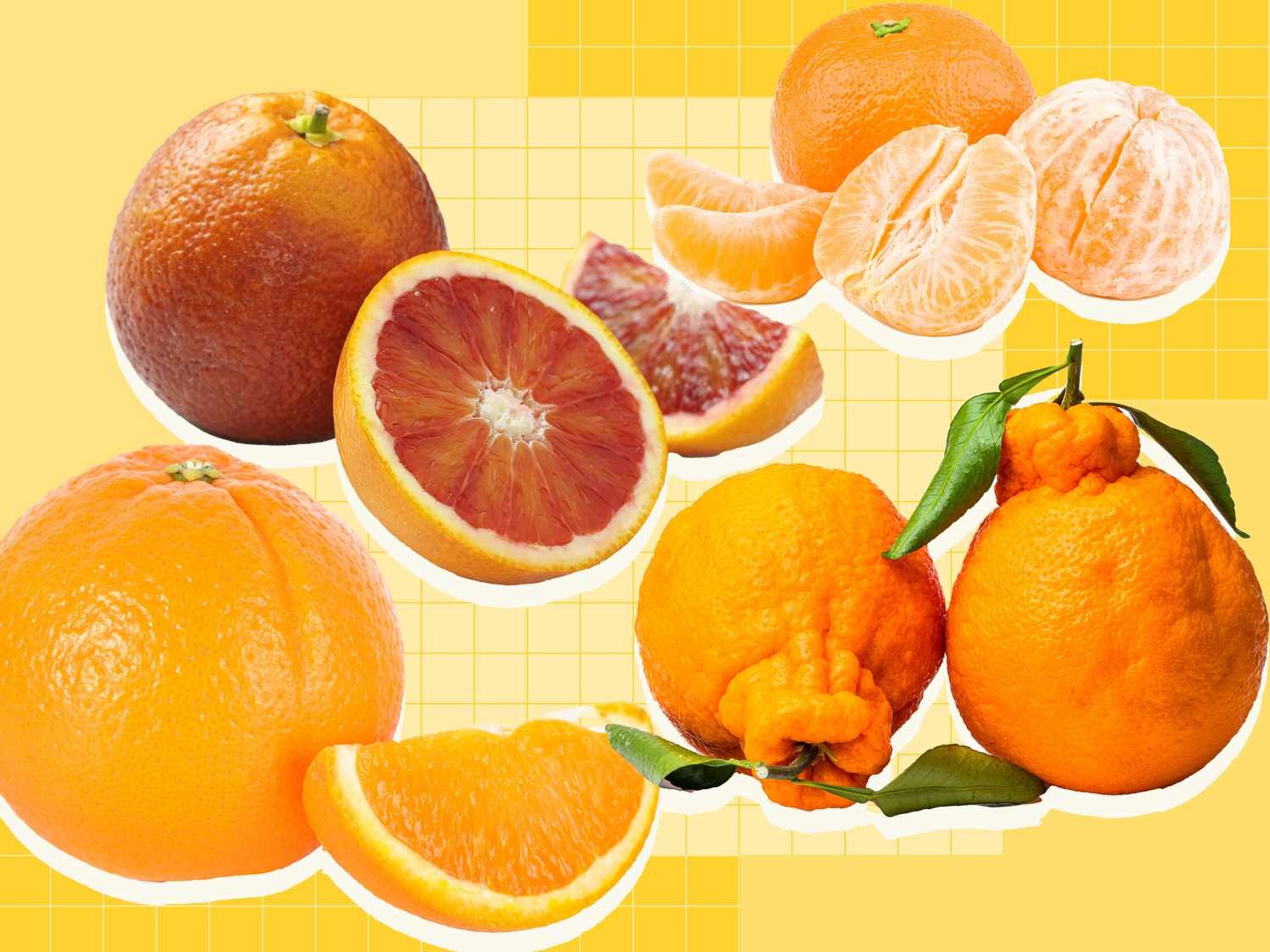
Navel Orange:
* Flavor: Sweet, aromatic, mildly acidic.
* Season: November–February
* Use: Excellent for eating fresh or adding to fruit salads.
* Unique Feature: Easily identified by the “navel” formation at the stem end. Requires grafting for propagation, making it more labor-intensive to grow.
Blood Orange:
* Flavor: Floral, sweet-tart, with raspberry notes.
* Season: December–April
* Use: Stunning in salads and cocktails due to its deep red flesh.
* Science Behind the Color: The vibrant color comes from anthocyanins—the same pigments that make blueberries red.
Seville Orange:
* Flavor: Bitter, intensely sour.
* Season: January–March
* Use: Ideal for cooking, especially in Spanish and Mayan cuisines. Key ingredient in marmalade due to high pectin content.
* Culinary Heritage: A staple in sangria, cochinita pibil, and other dishes where acidity is desired.
Mandarins (including Tangerines, Clementines, Satsumas):
* Flavor: Sweet, less acidic than oranges.
* Season: November–March
* Cultural Significance: Deep orange color and round shape symbolize wealth and good fortune in Chinese New Year traditions.
* Ease of Peeling: Generally easier to peel than oranges due to looser skin.
Sumo Citrus:
* Flavor: Rich, sweet-tangy, balanced.
* Season: January–April
* Unique Process: Cured for 20-40 days after picking to enhance sweetness and reduce acidity.
* Japanese Origins: Developed in Japan by crossing a tangor with a ponkan.
Choosing the Best Citrus
According to experts, look for fruit that is glossy, firm with slight give, and free from soft spots or bruising. The heavier the fruit feels for its size, the better. A fresh, zesty aroma is also a good indicator of quality.
Supermarket oranges are often picked unripe to prevent damage during transport. This reduces their aroma and sweetness. Buying in season, especially from local orchards, ensures you get fully ripened fruit.
Final Thoughts
Oranges offer a vibrant range of flavors and culinary applications. Understanding the differences between varieties and knowing how to select the best ones will elevate your cooking, snacking, and juicing experiences. Prioritize seasonality and seek out locally grown options whenever possible for peak flavor and freshness.