




Ramadan, the ninth month of the Islamic calendar, is observed by over 1.6 billion Muslims worldwide through daily fasting from dawn until dusk. Contrary to common misconceptions, this isn’t a time of deprivation but rather a period of heightened community, spiritual reflection, and celebratory meals. The evening fast-breaking meal, known as iftar, is central to the tradition, bringing families and friends together after a day of abstinence.
The Significance of Iftar
The practice of breaking the fast with water and dates is nearly universal, providing immediate hydration and a quick source of energy after long hours without food. Beyond this, iftar traditions vary dramatically across cultures. What unites them is a common goal: to nourish both body and soul after a day of spiritual discipline.
Global Iftar Traditions
The diversity in iftar meals reflects the global reach of Islam. Here are a few regional examples:
- Malaysia: Bubur lambuk, a soothing chicken and rice porridge, is a popular choice for breaking the fast.
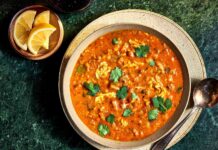
- Morocco: Harira, a hearty lentil and vegetable soup, provides a substantial and flavorful start to the meal.
- Iran: Fesenjān, a complex dish of pomegranate, walnuts, and meat, showcases the region’s unique culinary heritage.
- Middle East/Central Asia: Savory tomato soups, often with bulgur or rice, are a staple in many households. Sambusa, a fried meat pie spiced with cinnamon, is a beloved appetizer.
These are just a few examples. The beauty of Ramadan lies in the individual and cultural adaptations to this shared tradition. Each community adds its own flavors and dishes, making iftar a uniquely personal yet universally recognized experience.
The Shared Experience
Whether it’s a simple family gathering or a large communal feast, the act of breaking the fast together reinforces bonds and celebrates the completion of another day of worship. The variety in recipes across cultures is a reminder that faith is practiced differently, but the spirit of unity remains constant.
Ramadan’s iftar meals are not just about food; they’re about connection, resilience, and the collective joy of breaking bread with loved ones. The diversity in traditions highlights the adaptability and vibrancy of Islamic culture worldwide.