



Understanding your menstrual cycle can empower you to both plan for pregnancy or prevent it – all without relying on hormonal methods. This is the core principle behind fertility awareness, a set of techniques used to track ovulation and identify your most fertile days. The methods range from simple calendar-based predictions to detailed tracking of body temperature and cervical mucus changes.
Why This Matters: Beyond Hormonal Control
Many people seek alternatives to hormonal birth control due to side effects, religious reasons, or simply a desire for more natural methods. Fertility awareness gives that control back – but it requires diligence and education. It’s not simply “knowing” your cycle; it’s observing and interpreting real-time signals from your body. For those trying to conceive, timing intercourse with ovulation dramatically increases chances of success. For those avoiding pregnancy, consistent tracking allows for informed decisions.
The Science of Your Fertile Window
Ovulation – the release of an egg – is the key. The egg survives for roughly 12–24 hours, while sperm can remain viable in the reproductive tract for up to five days. This means your fertile window isn’t just ovulation day itself; it’s usually the five days before ovulation plus the day of. Stress, illness, or lifestyle shifts can disrupt ovulation timing, which is why relying on physical signs is more reliable than fixed calendar predictions.
Common Methods Explained
Here’s a breakdown of the most common fertility awareness methods:
- The Calendar Method: Tracks past cycle lengths to predict ovulation. Best as a starting point, but unreliable for irregular cycles.
- Basal Body Temperature (BBT) Method: Measures slight temperature increases that occur after ovulation. Useful for confirming ovulation happened, but not for predicting it.
- Cervical Mucus Method: Monitors changes in mucus consistency – clearer and stretchier mucus signals approaching ovulation. Highly effective when tracked consistently, but infections or medications can affect results.
- Symptothermal Method: Combines mucus, BBT, and sometimes cervical position or ovulation pain for more confidence. The most structured approach.
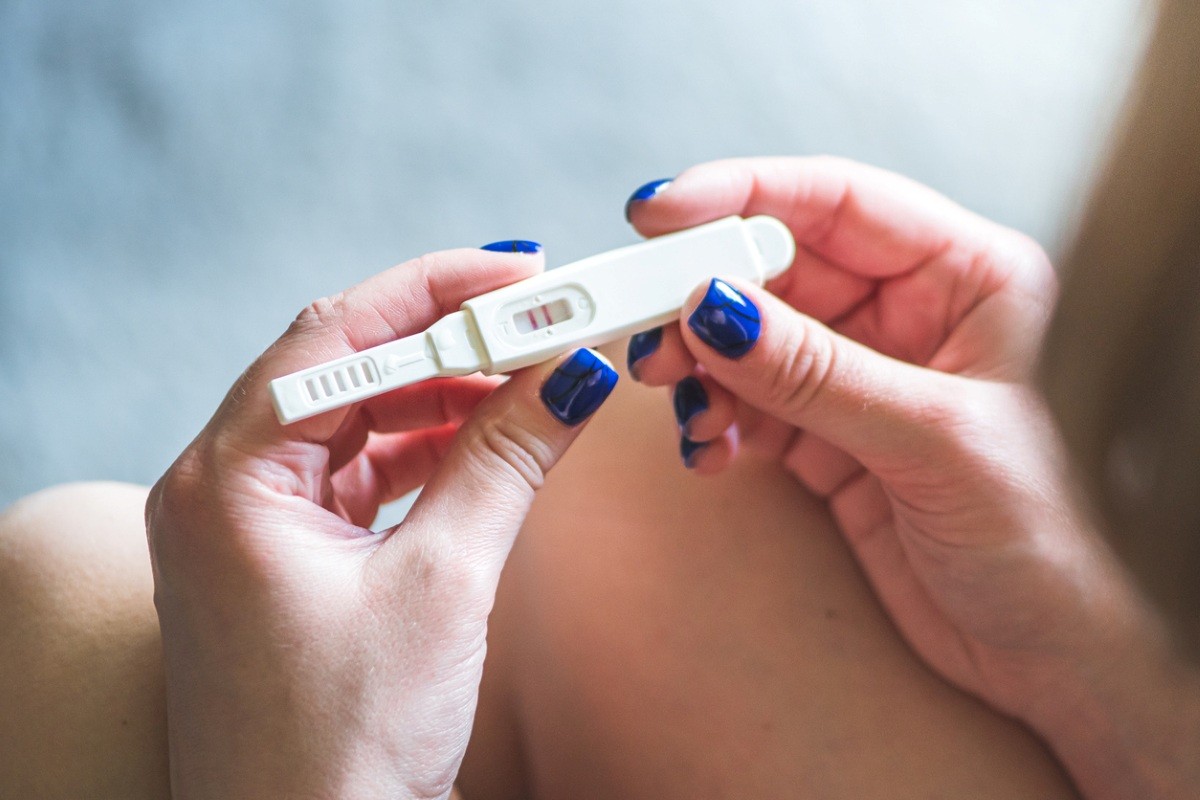
- Ovulation Predictor Kits (OPKs): Detects the hormone surge right before ovulation. Best for timing intercourse to conceive, less helpful for pregnancy prevention alone.
Using Fertility Awareness: Two Goals, One Approach
Whether you want to get pregnant or avoid pregnancy, the principle is the same: understand your fertile window.
- To Conceive: Intercourse every one to two days during the fertile window maximizes chances. If trying for months without success, consult your provider.
- To Prevent Pregnancy: Avoid unprotected intercourse during fertile days. Some abstain, while others use barrier methods. Consistency is vital.
Real-World Challenges
Fertility awareness isn’t foolproof:
- Irregular Cycles: PCOS, thyroid issues, stress, or postpartum recovery can disrupt ovulation. Real-time body signs become more important in these cases.
- Postpartum: Ovulation can return before your first period. Patterns may be harder to read initially. Discuss method selection with your provider.
- External Factors: Poor sleep, illness, alcohol, or travel can affect temperature readings. Vaginal infections alter mucus patterns.
Starting Smart
Begin with one or two signs (period tracking + mucus observation), then add BBT later. Consistency is key. Structured programs or trained educators can improve understanding, especially if apps leave you confused. If cycles are very irregular or conception isn’t happening, seek medical advice.
Fertility awareness is about knowing your body, not guessing. It requires dedication but offers control and clarity over reproductive health.