




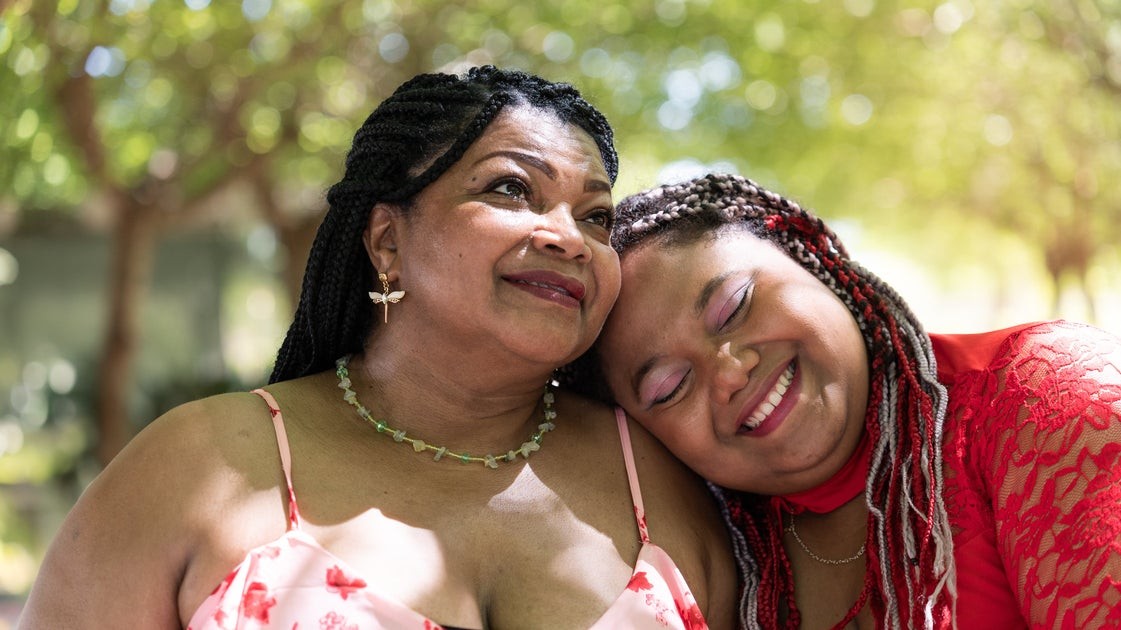
The dynamic between parents and adult children inevitably shifts as both parties mature. Maintaining a healthy relationship requires effort: clear communication, mutual respect, and empathy. Many adults deeply desire specific affirmations from their parents, words that can heal old wounds and strengthen the bond. Therapists highlight six powerful phrases that parents can say to improve their relationships with grown children.
The Power of Validation
Adult children often crave validation, particularly regarding past experiences. According to Lara Morales Daitter, an associate marriage and family therapist, acknowledging past pain or simply understanding can be deeply impactful. Parents preoccupied with their own struggles may have unintentionally left emotional needs unmet in childhood; these affirmations can provide the healing that was once absent.
1. “I’m Sorry.”
Two simple words carry immense weight. Jor-El Caraballo, a therapist and author, emphasizes that many adult children want to hear an apology more than anything else. Generations X, Millennials, and even some Gen Zers are increasingly reflecting on their upbringings and recognizing how their parents’ choices affected them.
An apology, even for unintentional hurt, can be transformative. Arielle Dualan notes that most adult children understand their parents aren’t perfect. Taking ownership of mistakes – and adding “How can we work through this?” – models humility and relational healing, extending beyond the parent-child dynamic into other relationships. Cultural barriers sometimes hinder apologies, particularly in communities where “saving face” takes precedence, but normalizing them can be profoundly healing.
2. “I Was in Survival Mode.”
This isn’t an excuse for poor parenting, but a recognition that parents were often stretched thin, juggling multiple responsibilities. Nedra Glover Tawwab points out that young adults struggle to see their parents’ reality beyond their own childhood experiences: parents had jobs, friendships, and other obligations alongside parenting.
Acknowledging those pressures provides context and understanding. Parents admitting they “dropped the ball” due to circumstances like financial struggles or divorce can be incredibly healing. Gayane Aramyan adds that parents likely did the best they could with the tools available, lacking the emotional awareness or communication skills expected today.
3. “I’m Really Proud of You.”
No matter their age, children want their parents’ approval. Jor-El Caraballo observes that many parents push their children to achieve more than they did, creating both confidence and anxiety. Hearing genuine pride in their accomplishments can be a powerful affirmation for millennials doubting their achievements.
4. “Your Life Path Is Different Than Mine, But I Support You.”
Parents sometimes push their children toward familiar, conventional paths. But individuality matters. Acknowledging and supporting an adult child’s unique choices affirms their autonomy and fosters emotional well-being, according to Lara Morales Daitter.
5. “Do You Want Advice, Or Would You Prefer For Me To Listen?”
Adult children often need to find their own way without parental intervention. Nedra Glover Tawwab emphasizes that parents must respect their children’s ability to learn from experience. Asking whether advice is desired demonstrates belief in their competence and avoids unwanted “rescue” attempts. It also allows parents to understand who their adult child has become.
6. “I’m Still Here For You.”
This simple statement reinforces unconditional support. Parents may have shifted from protectors to advisors, but their availability remains crucial. The message conveys unwavering presence, providing a safe space for vulnerability and growth.
In conclusion, these six phrases address core needs for validation, understanding, and acceptance. By offering these affirmations, parents can repair past hurts, strengthen the bond with their adult children, and foster more mature, respectful relationships.