



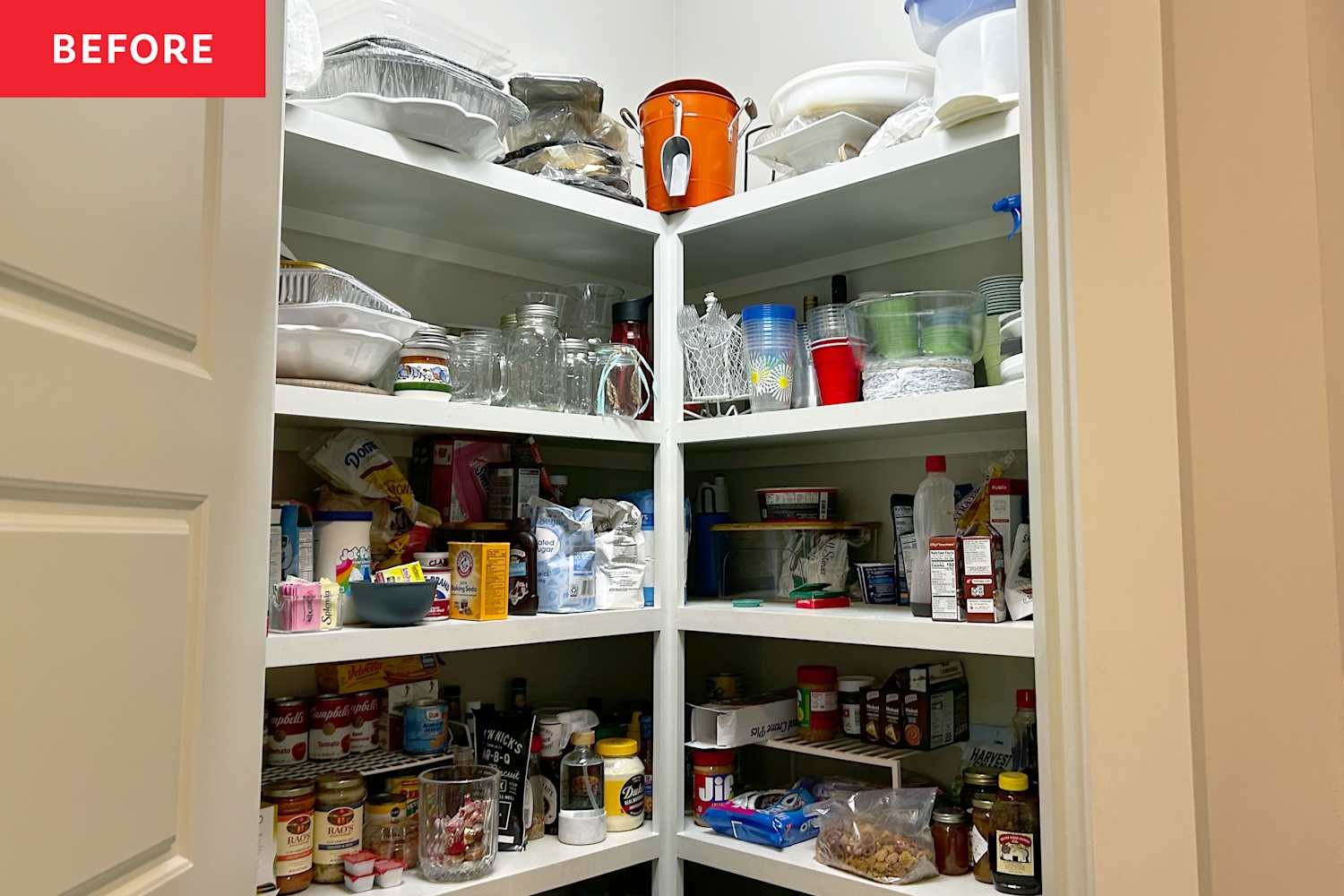
A recent pantry makeover, orchestrated by professional organizer Tara Bremer, reveals how strategic decluttering and thoughtful systems can dramatically improve kitchen functionality. The project began with a simple birthday request: a reorganized pantry for a mother-in-law who wanted better visibility and access to her stored goods. What followed was a lesson in how to approach organization not as a cosmetic fix, but as a deep dive into daily habits and needs.
The Power of Preparation
The process didn’t start on-site; it began with photos. Bremer requested images of the pantry’s contents before arriving, allowing her to pre-select the right tools—turntables, risers, and bins—rather than improvising. This proactive approach is key. Waiting to assess the situation means working without a plan, which often results in wasted time and ineffective solutions.
The Clean Slate Method
The first step was radical: emptying everything. This isn’t just about creating space; it’s about forcing a comprehensive review. Spreading the contents across the kitchen island allowed for a clear overview, revealing duplicates, expired items, and unused appliances. This step is crucial because it exposes the true scale of the problem—and the potential for improvement.
Decluttering as a Personal Insight
Organizing someone else’s pantry isn’t just about containers; it’s about understanding their cooking style, entertaining habits, and overall relationship with food. The organizer asked questions, not to impose a system, but to reflect the client’s real needs. This approach fosters trust and ensures the final layout is sustainable.
The Forgotten Stash and the “Later” Trap
The project uncovered a common pitfall: the tendency to hoard items “for later.” Stacks of floral napkins from past events were tucked away, unused. The solution wasn’t just to discard them (though some expired items were tossed), but to encourage immediate use. Keeping items visible and accessible increases the likelihood they’ll actually be used, reducing waste and preventing unnecessary purchases.
The Final System: Visibility and Intention
The final layout wasn’t about aesthetics; it was about function. Turntables elevated sauces, risers organized canned goods, and clear bins categorized dry foods and snacks. Every shelf had a purpose, and every item was visible. This intentional design ensures that the pantry remains organized long after the professional leaves.
The key takeaway: organization isn’t about buying more stuff; it’s about understanding how you already use your space and building systems that support those habits.