




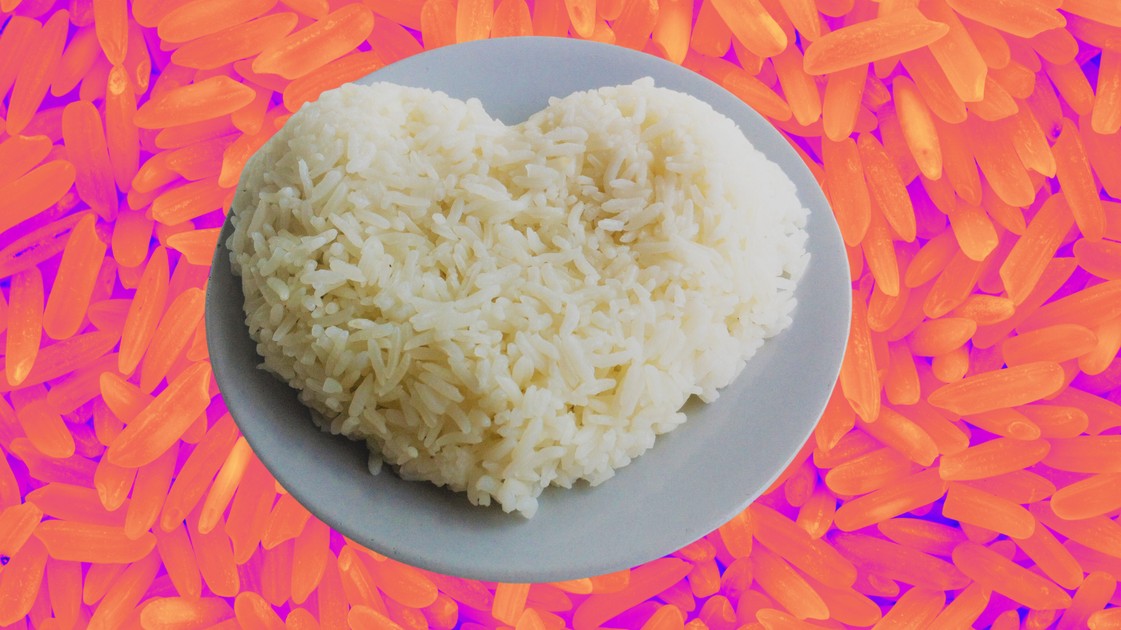
For billions of people, rice is more than just a side dish; it is a fundamental source of daily energy. However, in many nutritional circles, white rice carries a controversial reputation. Because the milling process removes the bran and germ—the parts of the grain containing the most nutrients—white rice is often categorized as a “refined carbohydrate.”
The question isn’t whether white rice is “bad,” but rather how it fits into your specific health goals. When eaten in isolation or in massive quantities, it can present challenges; when used as a strategic component of a balanced plate, it serves as an efficient, easy-to-digest energy source.
The Nutritional Profile: Energy vs. Micronutrients
At its core, white rice is a high-energy food. One cup of cooked, unenriched long-grain white rice provides roughly 45 grams of carbohydrates, making it an excellent fuel source for physical activity or recovery from illness.
However, there are trade-offs to consider:
– Low Micronutrient Density: Because the nutrient-rich outer layers are stripped away, unenriched white rice is low in vitamins and minerals.
– The Role of Enrichment: In the U.S., most white rice is “enriched,” meaning manufacturers add back certain nutrients like iron, folic acid, and B vitamins (thiamin, riboflavin, niacin, and B6). This makes it more nutritious than non-enriched varieties, though still less nutrient-dense than whole grains.
– Low Fiber: Unlike brown rice, white rice contains very little fiber, which can impact digestion and satiety.
Health Considerations: How Rice Impacts Your Body
Depending on your medical history and wellness objectives, white rice can affect different bodily systems in various ways.
🧠 Brain and Immune Health
The brain relies on glucose for energy, which rice provides readily. However, a diet heavily reliant on refined grains can cause blood sugar fluctuations that may impact long-term cognitive function. For immune support, white rice lacks the antioxidants and phytochemicals found in vegetables and whole grains. To bolster your immune system, experts suggest pairing rice with “powerhouse” foods like leafy greens, peppers, or mushrooms.
❤️ Heart Health and Blood Sugar
This is where white rice requires the most caution.
– Cholesterol & Inflammation: The lack of fiber in white rice means it doesn’t assist in lowering LDL (bad) cholesterol as effectively as whole grains. Furthermore, the rapid spikes in blood glucose and insulin caused by refined carbs can contribute to arterial inflammation over time.
– Diabetes Management: Research suggests a link between high white rice consumption and an increased risk of Type 2 diabetes. For every additional 3/4 cup of cooked rice consumed daily, the risk may increase by approximately 6%.
🦠 Digestive Health
A diet too high in refined grains and too low in fiber can lead to constipation. A clever nutritional “hack” to improve this is to cook rice and then let it cool. This process creates resistant starch, which acts similarly to fiber, helping to stabilize blood sugar and feed beneficial gut bacteria.
🛡️ Safety and Arsenic Concerns
A specific concern with rice is its tendency to absorb arsenic from the soil. While levels in U.S. rice are generally considered low-risk, inorganic arsenic is a known carcinogen.
Pro-tip: You can reduce arsenic exposure by rinsing your rice thoroughly before cooking and discarding the excess water used during the boiling process.
Strategies for a Healthier Plate
You do not need to eliminate rice from your diet to be healthy. Instead, focus on how you eat it.
- Prioritize the “Order of Eating”: To prevent massive blood sugar spikes, try eating your fiber-rich vegetables and lean proteins before you eat the rice.
- Diversify Your Grains: Instead of relying solely on white rice, mix it with quinoa, lentils, black rice, or wild rice to increase fiber and mineral intake (like magnesium and potassium).
- Watch Portion Sizes: Aim for smaller servings—roughly half a cup—and fill the rest of the plate with nutrient-dense sides.
- Move After Meals: A simple 10- to 15-minute walk after eating can help your body utilize the glucose from the rice more efficiently.
Conclusion: White rice is a versatile, energy-dense staple that is perfectly healthy when treated as a base for a balanced meal. By pairing it with fiber, protein, and healthy fats, you can enjoy its benefits while minimizing the risks of blood sugar spikes and nutrient deficiencies.