



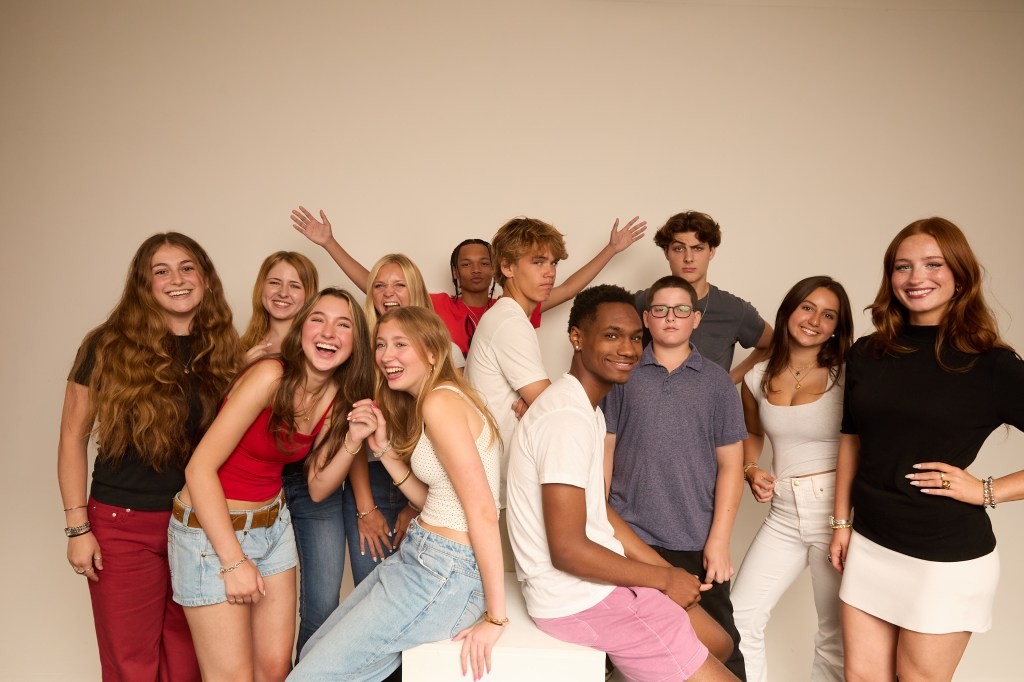
The internet’s latest obsession—dubbed “brain rot”—isn’t about decay; it’s about community. From surreal, fast-paced edits to inside jokes like “Mango Funk,” teens are using chaotic, often nonsensical memes to forge bonds, cope with stress, and navigate an overwhelming digital world. This isn’t random noise; it’s a new form of cultural literacy.
The Rise of Absurdity
The term “brain rot” emerged as a tongue-in-cheek way for teens to describe hyper-stimulating, often deliberately jarring content that dominates their attention. Videos stitched together with rapid cuts, bizarre sound effects, and impossible edits are the norm. But the point isn’t the meme itself. It’s the shared experience of recognizing the chaos, and the social currency that comes with it.
One focus group participant explained, “Adults would absolutely not get it.” This exclusivity is a core part of the appeal. These memes aren’t meant for outsiders; they’re inside jokes designed to exclude and include simultaneously.
How Teens Use Chaos to Connect
The genealogy of these memes is surprisingly serious business. Teens can dissect the evolution of a viral trend with the precision of art historians tracing a masterpiece. They debate origins, remix variations, and track the spread of these absurdities like cultural anthropologists studying a tribal ritual. This shared knowledge functions as shorthand: “We’re from the same corner of the internet.”
Psychologist Dr. Bob Hutchins explains that this isn’t just mindless entertainment. It’s a “pressure valve” in a world that feels unbearably heavy. Teens live under constant input—news, school, social media—and absurdity offers a momentary escape.
The Psychology Behind the Nonsense
The constant stream of information and expectations creates a need for relief. As Hutchins puts it, “Humor offers relief, but it also helps them remix the culture they’re expected to fit into.” Brain rot doesn’t just interrupt intrusive thoughts; it reframes stress as something laughable.
This isn’t necessarily coping in a negative sense. It’s a low-stakes environment for experimentation, identity play, and belonging. However, if the humor becomes exclusively bleak or self-deprecating, it can mask underlying issues that need attention.
Digital Handshakes and Shared Lore
The real power of these memes lies in how they travel. Teens aren’t consuming them passively; they’re narrating, retelling, correcting, and teasing one another over them. One participant described it as “earning” access to the humor. Understanding the references marks you as part of the group.
This is a digital version of the secret handshake: shared nonsense functioning as micro-belonging. When someone responds in the same absurd language, it’s a signal of recognition. “I see you. We’re in the same place.”
The Takeaway
Brain rot and Mango Funk aren’t signs of intellectual decline. They are tools for connection, stress relief, and self-discovery. Teens are using absurdity to navigate a chaotic world, carve out private spaces online, and express themselves in ways that adults may not understand.
As one teen put it, “I know it makes no sense. That’s kind of the point.” The meaning isn’t in the meme itself but in the shared experience of recognizing the chaos. They’re not just sharing jokes; they’re sharing themselves.