The heat of summer often makes us long for something cool, creamy and sweet. The traditional Turkish milk dessert (sütlü tatlılar ) is perfect. It’s light, refreshing and deeply satisfying. But there’s a problem. There may be many people who like these foods but are concerned about the calories. Fortunately, you can enjoy these classic flavors without compromising your diet.
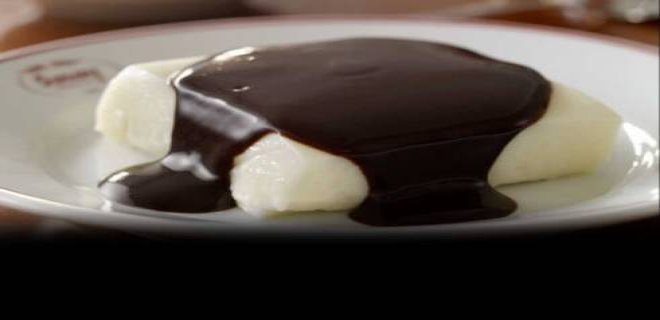
If you’re looking for an easy way to make a dessert, this Saray Muhalebisi (palace pudding) recipe is a great place to start. A modern take on an ancient Ottoman delicacy, it is often served with a rich chocolate sauce for contrast. Here we show you how to build it step by step.
Ingredients
您需要特定的测量才能获得完美的质感。 不要跳过步骤。
- 1升牛奶
- 4汤匙黄油
- 1杯面粉
- 1汤匙淀粉
- 1杯砂糖
- 1 packet vanilla
- 巧克力酱(浇头用)
- 3杯牛奶(用于酱汁)
Step-by-Step Preparation
Let’s start with the pudding base first. Prepare a pot and add butter, flour and starch. Turn down the heat. Stir constantly until the butter has melted and mixed into the dry ingredients. This creates a smooth paste.
Slowly pour in the milk while stirring. Stir constantly to prevent lumps from forming. Wait until the mixture boils. When it starts to foam, add sugar. Cook for 4 minutes. The key here is mixing. If it stops, it will burn.
Take the pot off the heat. Pour the warm pudding into a blender or food processor. Beat for about 10 minutes. If you want a light and airy texture, this step is non-negotiable. Allow the pudding to cool slightly while adding air.
Prepare a glass baking dish (borcam ). Wet the inside lightly with water. This way you can slide the pudding out later if you want to cut it into neat cubes, but you usually end up eating it straight off the plate. Spread the pudding evenly. Cool to room temperature.
Next, prepare the chocolate topping. Add the chocolate sauce to another pot. Pour in 3 cups of milk. Heat the mixture, stirring, until it boils.
When the pudding has cooled, pour the hot chocolate sauce over it. Make it smooth. When the chocolate has cooled a little, put the whole container in the fridge.
You have to wait at least an hour. This allows the layers to harden and blend the flavors. Take it out and cut it into small pieces. Chill and enjoy.
The result is a dessert that is not only pleasing to the senses, but also pleasing to the stomach. You won’t feel guilty and you’ll satisfy your sweet tooth. This is a practical solution for hot days when you want comfort but not a sugar crash.
Real chicken breast pudding and its “fake” counterpart are two distinct entities, even though they share the same name. The fake version is the one you will find in most home kitchens. Why? Because it is fast, easy, and requires no boiling chicken beforehand. Both versions taste incredible, but if you are short on time, the simplified route is the way to go.
Here is how to make the quick, no-chicken version at home.
The Ingredients
You do not need a lot to pull this off. The ratio is simple:
- 5 tablespoons of butter
- 1 liter of milk
- 3 coffee cups of flour (about 1.5 to 2 cups depending on cup size)
- 3 coffee cups of sugar
- 1 packet of vanilla
- 1 piece of mastic (damla sakızı)
Mastic is the secret ingredient that gives this dessert its authentic Turkish flavor. If you cannot find it, the taste will be different, but still sweet and creamy.
The Process
Start with a saucepan. Add the butter and let it melt. Once it is liquid, add the flour. Stir constantly. You need to toast the flour slightly so it loses its raw taste. Keep stirring until it blends with the butter.
Next, add the sugar. Mix it in. Wait for the sugar to dissolve completely. This takes a minute.
Now, turn your attention to the milk. Do not dump it all in at once. Pour it in slowly, whisking or stirring the whole time. If you add it too fast, you will get lumps. You want a smooth slurry.
Add the mastic piece now. Let it infuse its piney, resinous flavor into the mix. Keep stirring.
Wait for the mixture to boil. Once it hits a boil, it will start to thicken. Watch it closely. When it reaches the consistency you want—thick and glossy—turn off the heat.
Stir in the vanilla packet now. Remove the pan from the heat.
Let it cool down to room temperature. Do not skip this step. Hot pudding whipped with a mixer will turn into a mess.
Once it is cool enough to handle, use a hand mixer. Whip it for about 10 minutes. This step is non-negotiable. It introduces air and changes the texture from a dense custard to something light, fluffy, and almost like mousse.
Pour the whipped mixture into a serving dish or a loaf pan. Spread it out evenly.
Cover it and put it in the refrigerator. Let it set for at least one hour. This allows the structure to firm up so it holds its shape when cut.
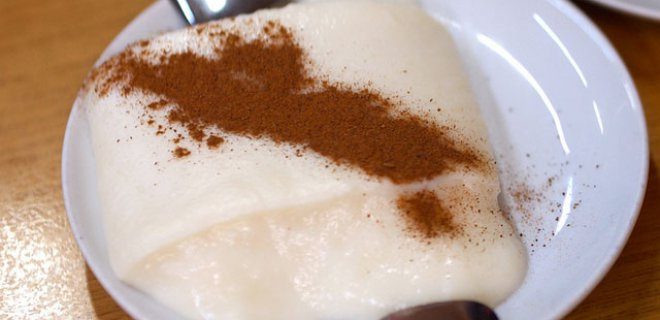
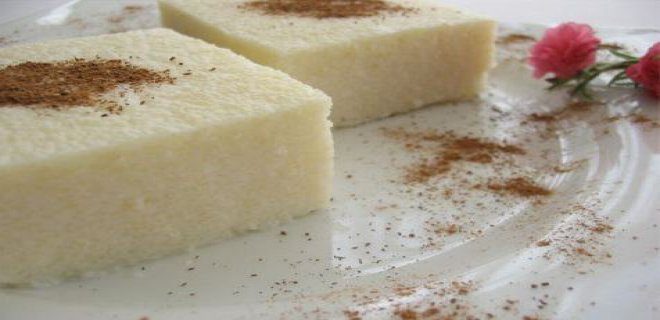
When you are ready to serve, slice it into portions. Dust with cinnamon if you like, though it is delicious as is.
Real vs. Fake: Which Should You Choose?
You might wonder why anyone would make the “real” version. The traditional method involves boiling chicken breasts, shredding them, and cooking them into the milk mixture. It is heavier. It has a unique texture that some people prefer. It is also much more time-consuming.
The fake version is lighter. It is sweeter. It is essentially a rich, vanilla-infused milk pudding that
How to Make Authentic Turkish Rice Pudding (Sütlaç) at Home
Sütlaç isn’t just a dessert; it’s a cultural staple in Turkish households. Known for its creamy texture and the subtle crunch of rice grains, it’s a comfort food that spans generations. If you’ve ever wondered how to make traditional sütlaç, this recipe cuts through the confusion with clear, actionable steps.
The secret lies in balancing the starch. You need enough rice to thicken the milk but not so much that it becomes gluey. Here is exactly what you need to get that professional, custard-like consistency at home.
The Ingredients
Precision matters here. Weighing or measuring correctly ensures the pudding sets properly.
- 1 liter of milk (whole milk yields the richest flavor)
- 1.5 cups of short-grain rice
- 1 liter of water (for boiling the rice initially)
- 2 cups of granulated sugar
- 2 tablespoons of rice flour (this is the thickening agent that stabilizes the pudding)
Step-by-Step Preparation
Start with the rice. Rinse it thoroughly under cold water to remove excess starch, then toss it into a medium-sized saucepan. Add the 1 liter of water and bring it to a boil. Let it simmer until the rice has absorbed most of the water and started to break down. This pre-cooking step ensures the final texture is smooth rather than chewy.
Once the rice is tender, pour in the liter of milk. Keep the heat on medium and stir frequently to prevent the milk from scorching at the bottom. Wait for the mixture to reach a rolling boil.
The Crucial Thickening Step
While the milk is heating, prepare your slurry. In a small bowl, mix the 2 tablespoons of rice flour with a small amount of cold water. Whisk until it’s completely smooth with no lumps.
Here is where many home cooks go wrong: never pour the cold flour mixture directly into the hot pot. It will clump instantly. Instead, use two ladles to scoop out some of the hot milk-rice mixture and stir it into your flour bowl. Whisk vigorously to temper the flour. Then, pour this slurry back into the main pot.
Let it simmer for another 10 minutes, stirring constantly. The pudding will begin to thicken noticeably.
Add the 2 cups of sugar now. Stir well and let it boil for just 5 more minutes. Overcooking after adding sugar can break down the texture, so keep a close eye on the timer.
Setting and Serving
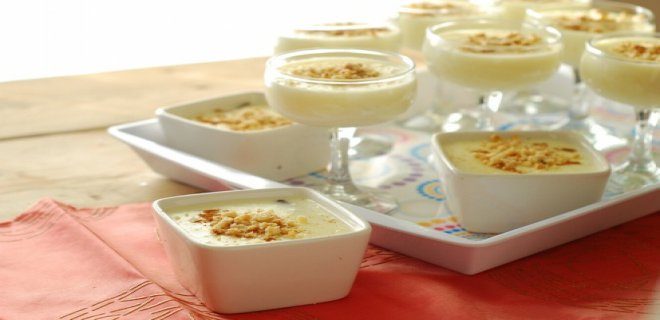
Remove the pot from the heat. Ladle the hot pudding into individual serving dishes. Let them cool to room temperature before placing them in the refrigerator. This gradual cooling helps the texture set evenly.
Chill for at least a few hours. When you’re ready to eat, dust the top with cinnamon. It adds a warm, spicy contrast that cuts through the sweetness.
Some people prefer it thick and firm, others like it looser. This recipe gives you the classic, silky baseline. From there, you can adjust the rice flour slightly next time to suit your personal preference. It’s simple enough that you’ll want to keep the ingredients on hand whenever you need a quick, elegant dessert
Why This Creamy Semolina Pudding Is Your New Weeknight Go-To
Let’s be honest: sometimes you want a sweet treat that feels fancy but requires zero drama. Sütlü irmik tatlısı (semolina pudding) fits that description perfectly. It’s light, it’s quick, and it doesn’t demand a pantry full of obscure ingredients. The real magic happens with the lemon zest. That tiny bit of citrus cuts through the richness of the milk, creating a flavor profile that is comforting but not cloying.
If you are wondering how to make semolina pudding with milk without burning it or ending up with lumps, the secret is actually in the stirring. But more on that in a moment. This dessert has been a staple in Turkish households for ages, and for good reason. It’s warm, it’s soothing, and it works as a dessert, a snack, or even a light breakfast if you’re into that sort of thing.
The Short Ingredient List
You likely have most of this in your fridge right now. That’s the beauty of it.
- 1 liter of milk (whole milk makes it creamier, but any kind works)
- 1 cup of semolina (fine or coarse, depending on your texture preference)
- 1 cup of sugar (adjust if you prefer it less sweet)
- 1 packet of vanilla (or the seeds from one vanilla bean for a deeper flavor)
- 1 tablespoon of butter
- 1 lemon zest (just the yellow part, avoid the white pith)
How to Make Semolina Pudding Without the Stress
Start by combining the milk, semolina, sugar, and lemon zest in a saucepan. The moment you put this on the heat, your job is to stay close. Do not walk away.
Stir continuously. This is non-negotiable. If you let it sit, the semolina will sink to the bottom and scorch. You are looking for a thick, porridge-like consistency. It usually takes about 10 to 15 minutes, depending on your stove’s heat.
Once it thickens to your liking, turn off the heat. This is when you add the butter and vanilla. Stir until the butter melts completely into the mix. The vanilla adds a soft, floral note that balances the lemon nicely.
Pour the mixture into a damp baking dish or a rectangular tray. Why damp? It helps prevent sticking and makes cleanup easier later. Spread it out evenly. You want a uniform layer so it sets properly.
Let it cool. You can put it in the fridge if you’re in a hurry, but room temperature is fine if you have the patience. Once it’s cool to the touch, slice it into squares or diamonds.
Serving Suggestions That Actually Work
Plain is good. But if you want to elevate it, consider these toppings:
- Chopped nuts: Walnuts or hazelnuts add a necessary crunch.
- Cinnamon: A light dusting gives it a warm, aromatic finish.
- Honey: A drizzle adds a different kind of sweetness that pairs well with the citrus.
The beauty of this recipe is its flexibility. You can make it ahead of time. It often tastes even
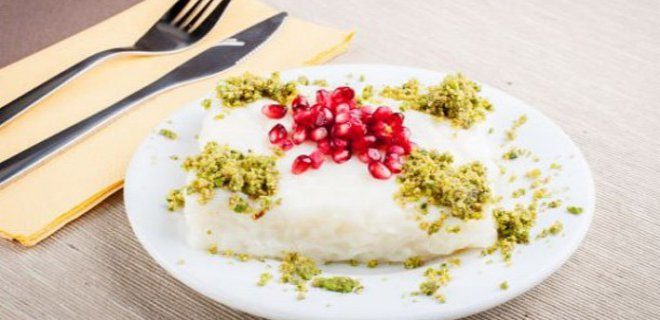
Güllaç is not only sweet. It is a historical anchor of Turkish cuisine, with its roots in Ottoman palace kitchens. This delicious dessert has been on the table for centuries with special importance, especially during the holy month of Ramadan. It’s the kind of indulgence that feels both nostalgic and necessary. The texture is soft, almost ethereal and stands out from the grit of the walnuts. If you want to recreate this iconic dish at home, you need to pay attention to the simplicity of the ingredients.
The essential ingredients of authentic Gullass
The beauty of this recipe lies in its minimalism. You don’t need a pantry full of exotic spices. Only six core components are enough to create this distinctive flavor profile.
- 10 sheets of Güllaç dough : These thin, unleavened wafers form the backbone of the dish.
- 2 liters of milk : Whole milk is best for richness.
- 2 cups granulated sugar : Adjust slightly to taste, but sweetness is the deciding factor.
- 2 tablespoons of rose water : This gives the floral aroma that sets Güllaç apart from other milk-based puddings.
- Walnuts : Broken or whole, they provide the necessary texture.
- Optional garnishes : pomegranate seeds, sour cherries or other walnuts for display.
Manufacturing process: layering and infusion
Making güllaç is less about cooking and more about assembling. You build structure and allow the flavors to meld.
Start by mixing milk and sugar in a saucepan. Heat the mixture gently and stir until the sugar is completely dissolved. Don’t overcook it. When the sugar has disappeared, take the pot off the heat. Let the milk cool to room temperature. This step is important; Hot milk can make the dough wet too quickly and destroy the layer structure.
Now start layering. Take a serving tray and place one sheet of Güllaç on it. Pour about two spoonfuls of the cooled milk mixture on top. Let it absorb. The dough should be softer, but still hold its shape.
Place the next layer on top. Repeat this process until you reach the fifth layer. Now it’s time to introduce the walnuts. Spread them evenly over the fifth sheet. The nuts should be embedded in the layers, not just lying on top.
Continue layering with the remaining Güllaç sheets and gradually add more milk mixture. Each layer must be moistened. The goal is that the consistency of the entire dish is uniform.
When all the sheets of dough are placed, take the rest of the sweetened milk. Mix in the rose water. Sprinkle this fragrant liquid all over the surface of the dessert. Make sure it penetrates the lower layers.
Cover the container and place it in the refrigerator. The dessert takes at least two hours to solidify. Thanks to this resting time, the milk completely saturates the dough and combines the flavors.
Güllaç should be cold and solid when serving. Cut it into squares or diamond shapes. For the final touch, sprinkle fresh pomegranate seeds, sour cherries or more walnuts on top. The visual contrast of the red fruits against the pale white layers is striking
The Final Bite
The table is cleared. The last fork clinks against ceramic, a small, sharp sound that signals the end.
You wipe your mouth. You lean back.
Afiet olsun.
It’s not just a polite phrase to repeat after eating. It’s a wish. Bon appétit, sure. But this goes deeper. It’s a prayer for health. A hope that the food you just consumed will nourish you, not burden you. A nod to the fact that eating well is part of staying well.
There’s a rhythm to this.
We rush through the first five courses—appetizers, mains, sides, drinks, desserts—chasing flavor, chasing connection, chasing the thrill of the new. But this last bite? This is where the meal settles. This is where digestion begins in earnest. This is where the body says, I have enough.
Why the Wish Matters
In a world of endless calories and endless scrolling, afiet olsun is a pause. A moment of gratitude without the performative Instagram caption. It’s acknowledging the ingredients, the hands that cooked it, the time it took.
It’s simple.
It’s human.
It’s also practical. Eating mindfully, stopping when you’re satisfied, and wishing yourself health afterward isn’t just tradition. It’s a habit that supports long-term well-being. No more grazing. No more stress-eating at your desk. Just food. Just presence.
Take It With You
So, carry that wish forward.
Next time you sit down to eat—whether it’s a lavish feast or a quick bowl of soup—pause. Look at the plate. Take the time to chew. And when you’re done, really done, say it.
Afiet olsun.
Not because you have to. But because it feels good to wish yourself well. Because you deserve it.
The meal ends. The day continues.