



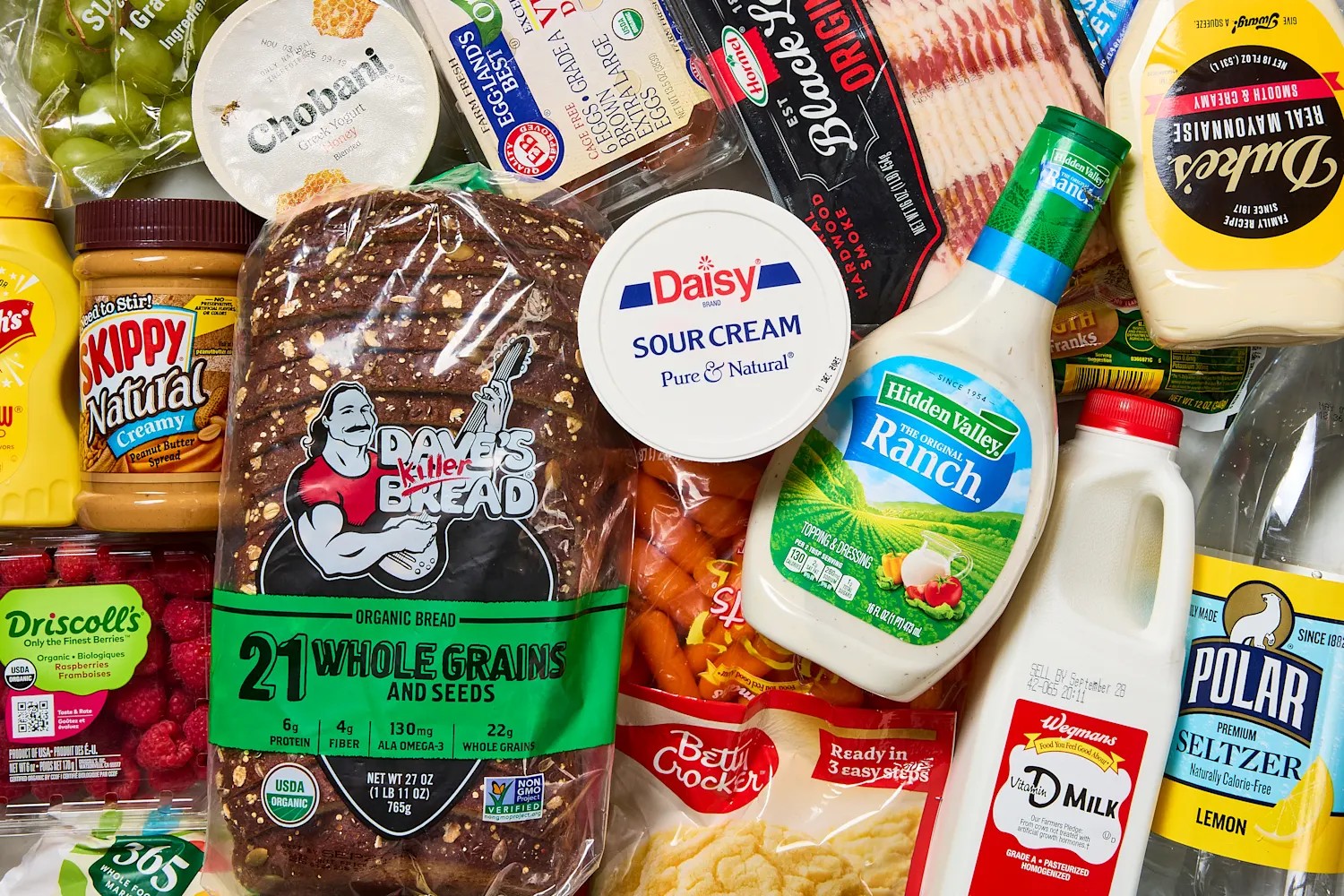
Transitioning to a plastic-free lifestyle is often viewed as an all-or-nothing endeavor, but a recent one-month experiment suggests that the real value lies in mindful consumption and tactical shopping habits. By committing to avoid any grocery item encased in plastic—ranging from wrapped produce to pre-packaged snacks—a shopper discovered that reducing waste is as much about logistics and planning as it is about environmental ethics.
The Power of Bulk Shopping
One of the most effective strategies identified during the challenge was the use of bulk bins. This method serves a dual purpose: reducing single-use packaging and optimizing food management.
- Waste Reduction: Buying grains, nuts, and snacks from bulk sections allows consumers to use their own reusable containers, bypassing plastic bags and boxes entirely.
- Precision Portions: Bulk shopping enables customers to buy exactly the amount they need. This minimizes food waste and reduces household clutter.
- Cost Efficiency: There is a significant financial incentive to shopping bulk. For instance, purchasing jasmine rice from a bulk bin can be considerably cheaper—sometimes by as much as 33% —compared to pre-packaged brands. While the savings per item may seem marginal, the cumulative effect on a monthly grocery bill is substantial.
Navigating the “Plastic Trap”
The experiment highlighted how pervasive plastic is in modern food systems. Most convenience items, meat, and cheeses are encased in tight plastic films designed for shelf stability and hygiene. To bypass this, the shopper utilized two specific tactics:
- Personal Preparation: Carrying a kit of reusable jars and cloth bags makes the transition seamless and reduces the “friction” of shopping.
- Direct Communication: Instead of reaching for pre-packaged deli meats or cheeses, asking butchers and deli workers to use paper wrapping instead of plastic can be highly effective. Many service workers are often willing to accommodate these requests when they understand the consumer’s intent.
The Reality of Sustainable Living
While the month was successful, it also revealed the inherent difficulties of a zero-waste lifestyle. Plastic is deeply embedded in the modern food economy, often serving as a shortcut for convenience and time management.
The challenge proved that a total ban on plastic may not be realistic for everyone due to time constraints or personal preferences (such as the convenience of pre-packaged snacks). However, the experiment shifted the focus from perfection to awareness.
By intentionally choosing loose produce over pre-packaged kits and planning meals more carefully, consumers can make better decisions without feeling overwhelmed by the impossibility of a “perfect” lifestyle.
The true impact of reducing plastic isn’t found in achieving a zero-waste life overnight, but in the heightened awareness that leads to more intentional, less wasteful purchasing habits.
Conclusion
A month of plastic-free shopping demonstrates that while total elimination is difficult, strategic shifts—like bulk buying and requesting paper packaging—can significantly reduce waste and grocery costs. Ultimately, the goal is to move away from mindless convenience toward a more conscious and connected way of eating.