




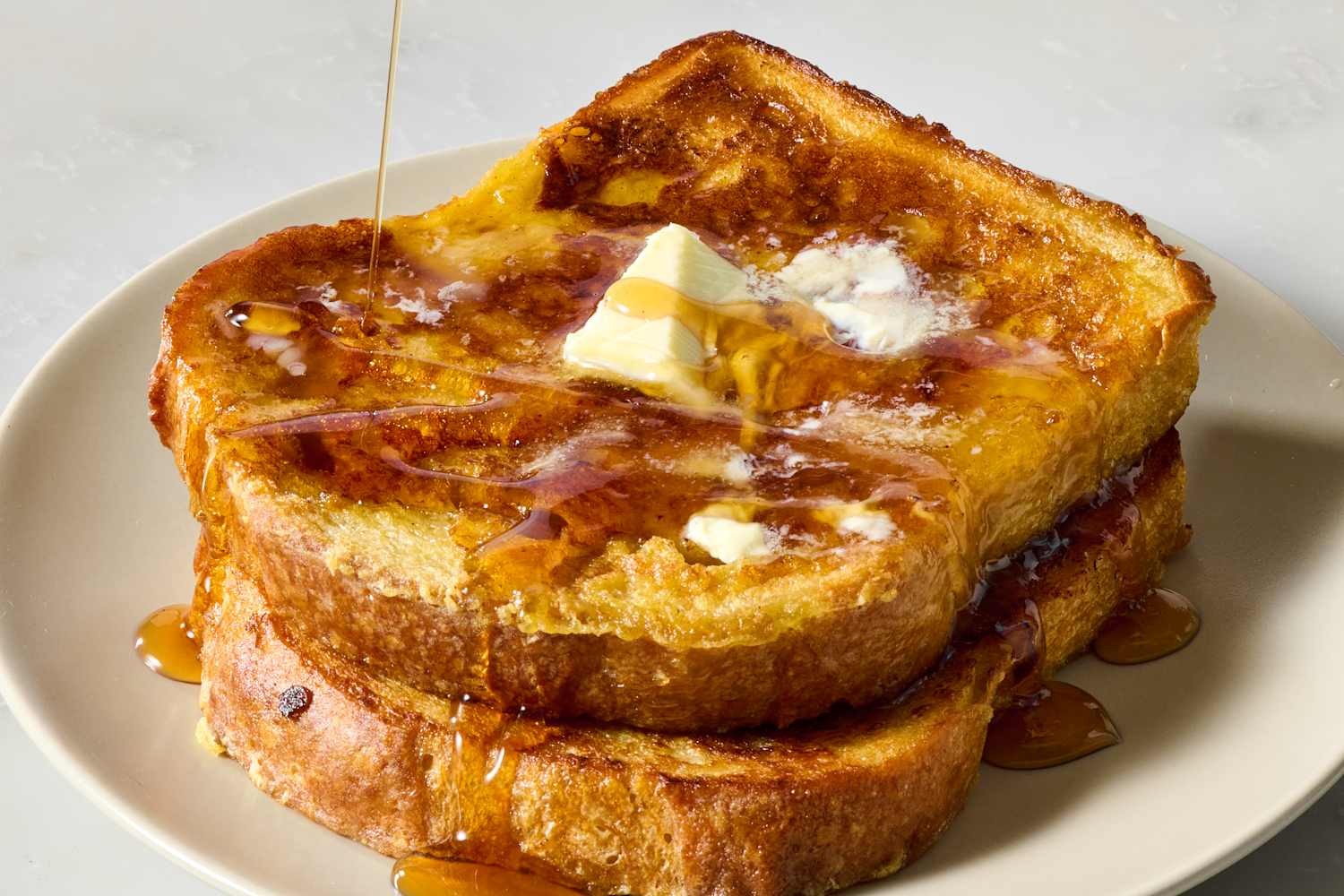
French toast is a culinary paradox: it is a humble, inexpensive comfort food, yet when executed correctly, it can reach levels of sophisticated, custardy elegance. To find the definitive way to achieve that elusive balance of a crisp, golden exterior and a lush, creamy interior, we put seven different cooking methods to the test.
After systematic trials involving various breads, custards, and fats, one method emerged as the undisputed champion.
The Methodology: How the Tests Were Conducted
To ensure scientific consistency, a “master recipe” was established as the baseline. This involved using thick-sliced, sturdy bread (Sara Lee Artesano) soaked in a custard of eggs, whole milk, sugar, vanilla, cinnamon, and salt, then cooked in melted butter over medium heat.
The testing was conducted in three distinct tiers:
1. Bread Texture: Comparing fresh bread against oven-dried bread.
2. Custard Variations: Testing different ingredients (yogurt, flour, heavy cream) and structural approaches (the “no-custard” method).
3. Cooking Fat: Comparing butter against olive oil using the winning custard method.
The Results: A Ranking of Methods
❌ The Failures: Texture and Absorption Issues
- Oven-Dried Bread (3/10): Contrary to popular belief, drying bread in the oven does not improve the dish. The parched slices resisted the custard, resulting in a dry, firm texture that felt more like regular toast than French toast.
- No Eggs / Yogurt Substitution (4/10): Replacing eggs with Greek yogurt created a thick, heavy mixture that refused to soak in properly. The resulting toast was limp, oily, and doughy in the center.
- No Custard / The “Deconstructed” Method (7/10): Popularized by Chef Eric Ripert, this method involves soaking bread in milk and spooning egg/sugar on top. While it creates a delicious brulée-style caramelized crust, the interior lacks the creamy, custard-like richness of traditional methods, leaning instead toward a “wet bread” texture.
✅ The Contenders: High-Quality Variations
- Olive Oil (7.5/10): Using extra-virgin olive oil provided a very even, crispy cook. However, the peppery notes of the oil clashed with the delicate vanilla and cinnamon, proving that butter remains the superior fat for this sweet dish.
- Flour in Custard (8/10): Adding two tablespoons of flour to the custard created a thin, irresistible crispy shell and a very fluffy interior. The only downside was a slightly “eggy” flavor that masked some of the spices.
- Fresh Bread (9/10): The standard method—using fresh, thick-sliced bread with a basic milk-and-egg custard—is remarkably effective, yielding a classic crispy-yet-creamy result.
🏆 The Winner: Heavy Cream Custard (10/10)
The ultimate method for French toast is to replace the milk in your custard with heavy cream.
By using heavy cream, the custard becomes richer and more stable. This results in a “soufflé-like” texture: an ultra-creamy, dense (but not soggy) interior paired with a perfectly crisp exterior. When cooked in melted butter, the flavor profile reaches its peak of milky, decadent deliciousness.
Summary of Expert Tips
💡 Key Takeaways for the Perfect Breakfast:
– Skip the oven: Use fresh, thick-cut bread rather than drying it out.
– Enrich your custard: Use heavy cream or a touch of flour to achieve a superior texture.
– The Hybrid Hack: For the ultimate experience, use the heavy cream method but sprinkle a little extra sugar on the outside of the bread before cooking to achieve a caramelized, brulée finish.
Conclusion: For a breakfast that feels truly special, prioritize a rich, heavy-cream-based custard and fresh bread to achieve the perfect balance of crunch and creaminess.