




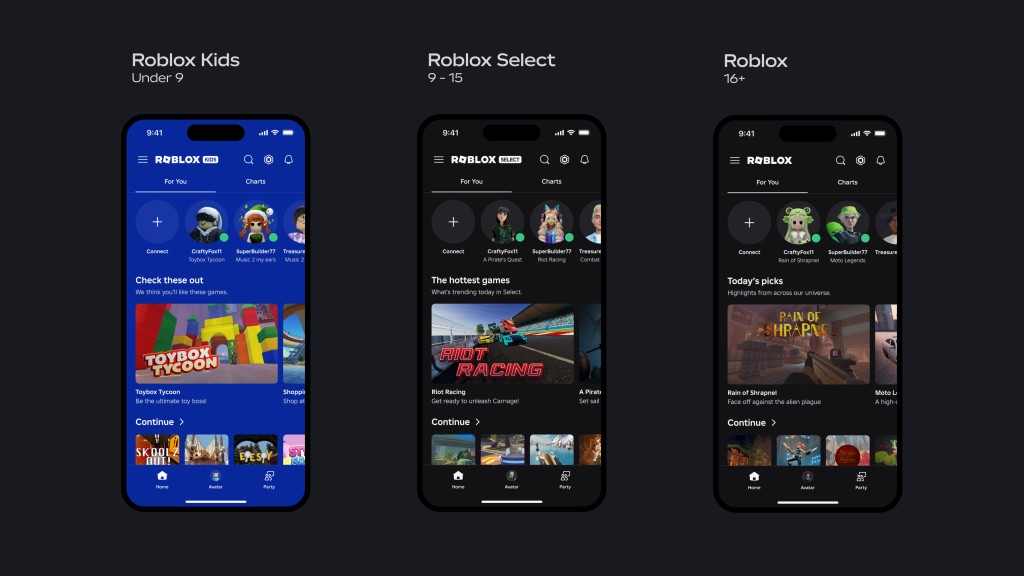
Roblox is implementing a significant structural change to its platform by introducing specialized account types tailored to specific age groups. This move marks a transition from a “one-size-fits-all” model to a more segmented ecosystem designed to address growing parental concerns regarding online safety and content appropriateness.
The New Account Structure
The update introduces two distinct tiers of access, moving away from a single platform experience to age-appropriate environments:
- Roblox Kids (Ages 5–8): A highly curated environment designed for early childhood users.
- Roblox Select (Ages 9–15): A middle-tier experience that balances more complex gameplay with enhanced safety guardrails.
This shift is a direct response to the inherent risks of user-generated content. While the platform’s massive library of community-created games is its greatest strength, it has also been its biggest liability, frequently exposing younger users to mature themes or unmoderated social interactions.
Enhanced Content Filtering and Curation
Previously, Roblox relied heavily on manual parental controls and general content ratings. Under the new system, the platform is taking a more proactive role in content moderation:
- Developer Verification: Ensuring that the creators of experiences meet specific standards.
- Extended Content Evaluation: Implementing a more rigorous review process for games intended for younger audiences.
- Automated Guardrails: Instead of requiring parents to manually toggle every setting, the platform will automatically limit access to experiences deemed inappropriate for specific age brackets.
Expanded Parental Controls
To complement the automated age-based tiers, Roblox is upgrading its suite of parental management tools. These updates aim to reduce the “configuration fatigue” parents often face when trying to secure their children’s digital spaces. Key new capabilities include:
- Granular Chat Management: Controlling who can communicate with the child.
- Content Gating: Restricting access to specific types of games or experiences.
- Time and Budget Limits: Managing how long a child plays and how much they spend on in-game purchases.
The Challenges Ahead: Why Safety is Never “Solved”
While these updates represent a major step forward, they are not a total solution to the complexities of digital safety. Several systemic challenges remain:
- The Nature of User-Generated Content: Because the platform is constantly evolving with new games created by users, moderation systems—no matter how advanced—may struggle to catch problematic content in real-time.
- Age Accuracy: The effectiveness of these tiers relies on users providing truthful age information, a common hurdle in online environments.
- The Necessity of Supervision: Automated tools can act as a safety net, but they cannot replace active parental involvement and digital literacy education.
The Bottom Line: Roblox is moving toward a more structured, age-sensitive platform, but these technical safeguards are most effective when paired with active parental supervision and regular account reviews.