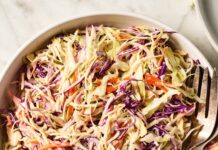


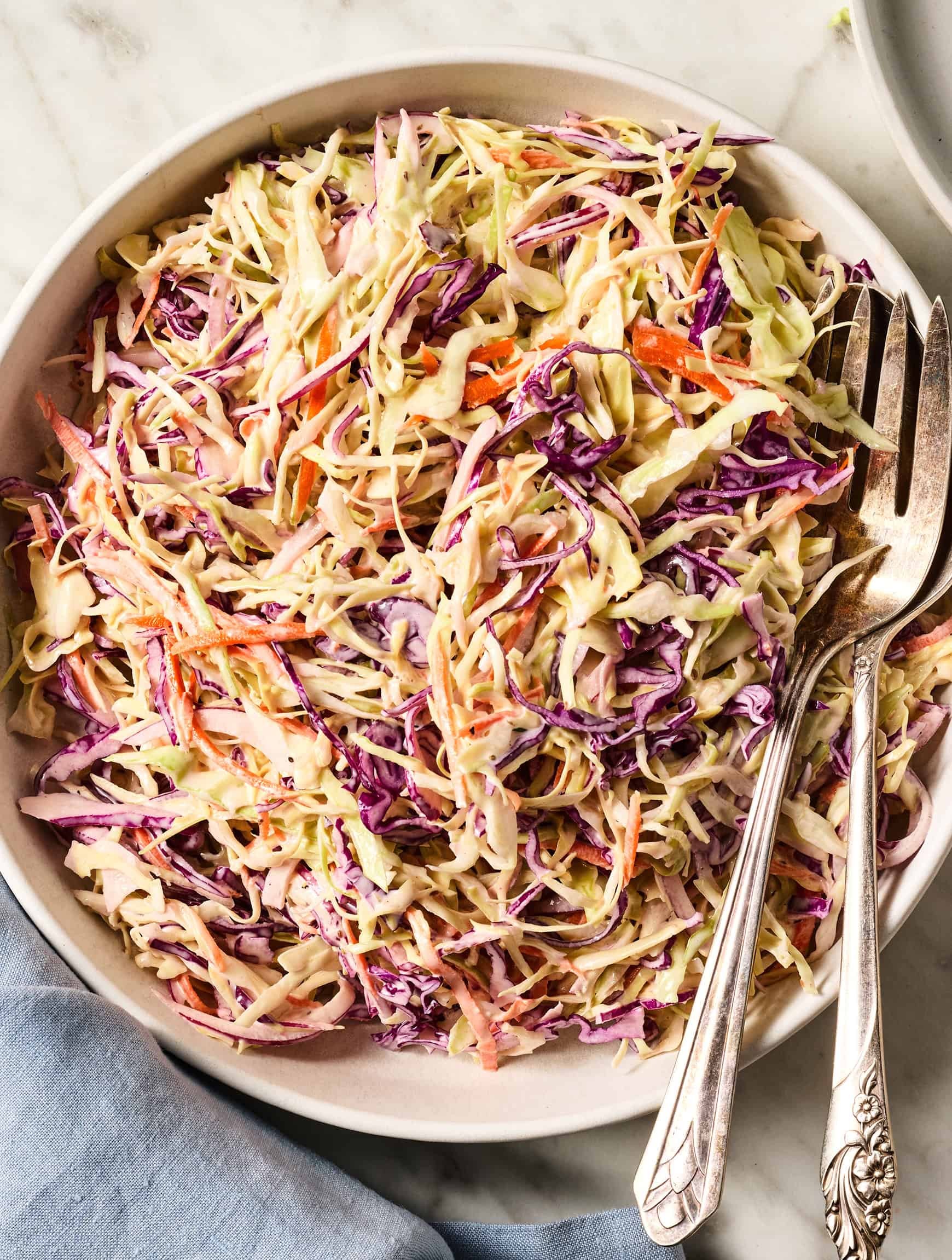
Coleslaw is often dismissed as a mere afterthought—a bag of pre-shredded vegetables tossed with generic dressing. However, a well-executed coleslaw is a study in textural contrast and flavor balance. It serves as the essential palate cleanser for heavy summer meals, cutting through the richness of barbecue with acidity and crunch.
The difference between mediocre slaw and exceptional slaw rarely lies in complex cooking techniques. Instead, it hinges on two critical variables: the quality of the homemade dressing and, most importantly, time.
The Architecture of Flavor
A superior coleslaw relies on a specific interplay of ingredients. The base provides structure, while the dressing provides character.
The Vegetable Base
* Green and Red Cabbage: Using both varieties is not just for aesthetics; red cabbage adds a slightly peppery note and vibrant color, while green cabbage offers the primary crunch. While Napa or Savoy cabbages can be substituted, they lack the structural integrity of standard green or red varieties, resulting in a softer, less distinct texture.
* Carrots: These provide earthy sweetness and visual contrast. Julienne cuts are preferred over fine shreds to maintain a satisfying bite.
* Red Onion: Thinly sliced, red onions contribute a sharp, savory depth that prevents the dish from tasting one-dimensionally sweet.
The Dressing: The Flavor Engine
The dressing is where the personality of the dish is defined. A standard creamy dressing requires a careful balance of fat, acid, and seasoning:
* Mayonnaise: Acts as the creamy vehicle for other flavors.
* Apple Cider Vinegar & Dijon Mustard: These provide the necessary tang. The vinegar cuts the fat, while the mustard adds complexity.
* Sugar: Balances the sharp acidity. For a natural alternative, maple syrup works effectively.
* Celery Seed: Often overlooked, this is the “secret ingredient.” It adds a distinct, savory, almost herbal note that elevates the dish beyond simple sweetness. If unavailable, the slaw will still be good, but it will lack that specific depth of flavor.
The Critical Step: Resting Time
The most common mistake in making coleslaw is serving it immediately after mixing. While edible, fresh slaw lacks cohesion.
Key Insight: Letting coleslaw rest in the refrigerator for at least one hour (or up to 24 hours) allows the vinegar and salt in the dressing to gently break down the cell walls of the cabbage. This process softens the vegetables slightly, allowing them to absorb the dressing fully, resulting in a more unified and flavorful dish.
Preparation Method
- Whisk the Dressing: In a medium bowl, combine mayonnaise, apple cider vinegar, Dijon mustard, sugar, celery seed, salt, and black pepper. Whisk until smooth and emulsified.
- Prep the Vegetables: Shred the green and red cabbage thinly (using a knife, mandoline, or food processor). Julienne the carrots and thinly slice the red onion. Note: Pre-shredded store-bought mixes are an acceptable time-saver, though freshly shredded vegetables often offer a superior, juicier texture.
- Combine: Toss the vegetables in a large bowl. Pour the dressing over the top and mix thoroughly until every strand is coated.
- Chill: Cover and refrigerate for at least one hour before serving. Taste before serving; you may need a pinch more salt or a squeeze of lemon juice to brighten the flavors after resting.
Storage and Longevity
Coleslaw is remarkably versatile regarding timing. It can be prepared up to two days in advance, often tasting better as the flavors meld. Store in an airtight container in the refrigerator.
- Leftovers: Keep for up to 5 days. Note that the crunch will diminish over time as the vegetables continue to soften.
- Serving Suggestions: This slaw pairs ideally with plant-based options like veggie burgers, portobello mushroom caps, or black bean patties. It also complements classic sandwiches such as caprese, chickpea salad, or egg salad.
Nutritional Profile
For a standard serving (approximately 1/6 of the recipe):
* Calories: 247
* Fat: 21g (32% Daily Value)
* Carbohydrates: 13g (4% Daily Value)
* Fiber: 4g (17% Daily Value)
* Vitamin A: 76% Daily Value
* Vitamin C: 56% Daily Value
This coleslaw recipe proves that simplicity, when executed with attention to ingredient quality and timing, yields a result that is both comforting and sophisticated. It is a testament to the idea that the best summer dishes are often those that require patience, not heat.