




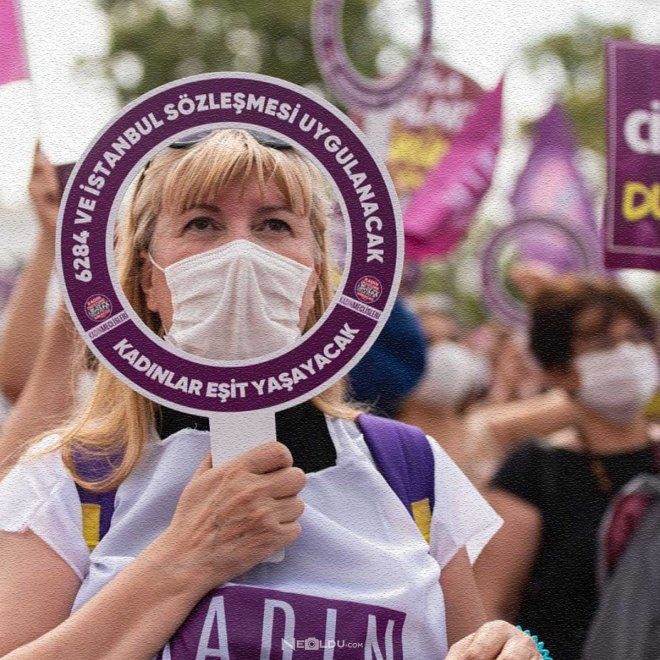
You have probably seen the term pop up in political debates, news headlines, or even casual dinner conversations. It is often shouted about, debated, and misunderstood. But what is it actually?
The Istanbul Convention, formally known as the Council of Europe Convention on preventing and combating violence against women and domestic violence, is not just a piece of paper. It is an international treaty designed to tackle one of the most pervasive issues facing modern society: violence against women.
It opened for signature in Istanbul on May 11, 2011, and officially came into force in 2014. Since then, it has become a critical benchmark for how countries measure their commitment to protecting women’s rights and safety.
Why Was It Created?
Before the Istanbul Convention, legal frameworks in many countries were fragmented. Some places had laws against physical abuse. Others addressed sexual harassment. Few had a cohesive strategy that looked at the big picture.
This treaty changed that. It forced signatory nations to take a comprehensive approach. It recognizes that violence against women is not just a private family matter or an isolated criminal act. It is a systemic human rights violation.
The convention defines violence broadly. It covers:
– Physical abuse
– Sexual violence
– Psychological harm
– Economic control
– Stalking
By defining these terms clearly, it gives lawmakers and activists a shared language. It stops debates from stalling on vague definitions.
How Does It Work In Practice?
Ratifying the treaty is step one. But the real work happens after signatures are put to paper. Countries that sign the Istanbul Convention commit to specific actions. They must update their laws to better protect victims. They must train police, judges, and social workers. They must fund shelters and support centers.
One of its most powerful aspects is its focus on prevention. It does not just react to violence after it happens. It pushes for education. It demands that societies change the attitudes that allow such violence to persist in the first place.
“The treaty recognizes that violence against women is a form of discrimination against women and a violation of their human rights.”
This shift in perspective is significant. It moves the conversation from “what did she do wrong?” to “how did the system fail her?”
Who Is Involved?
While the treaty originated in Istanbul and bears its name, it is not limited to Turkey or Europe. It is open to any country that values human rights. As of now, dozens of nations have signed on. Some have ratified it fully. Others are still in the process of aligning their national laws.
The European Council established it to create a unified front against domestic abuse. But its influence has rippled far beyond Europe. It has inspired similar legislation in Latin America, Africa, and parts of Asia.
The Ongoing Debate
Despite its clear humanitarian goals, the treaty is not without controversy. Critics argue about specific clauses related to gender ideology and family structures. This has led to political withdrawals in some countries, such as Turkey, which announced its exit in 2021.
However, for advocates and survivors, the Istanbul Convention remains a vital tool. It provides a legal backbone for demanding accountability. It offers a framework for measuring progress. And it sends a message: violence against women is unacceptable.
For
Why the Istanbul Convention Exists: More Than Just a Document
Let’s cut through the noise. You’ve likely seen headlines screaming about it. You’ve probably seen politicians arguing about it. But if you strip away the political theater and the fear-mongering, what is the Istanbul Convention actually trying to do?
It’s simple. It’s about keeping women safe.
The core purpose is to stop violence against women and domestic abuse. Not just in Turkey, but across Europe and beyond. It’s a treaty. A framework. A promise that governments can’t just look away.
Here is what it really means for you, on the ground.
Protection Isn’t Optional
The first thing the treaty does is force countries to stop ignoring the problem. For decades, domestic violence was treated as a “private family matter.” The Istanbul Convention changed that label. It declared violence against women a human rights violation.
This shift isn’t just semantic. It changes how police respond. It changes how judges rule. It changes how social services intervene.
The goal is comprehensive protection. This means:
- Prevention: Education. Programs that teach respect before violence starts.
- Prosecution: Stricter punishments for abusers who think they can get away with it in the privacy of their homes.
- Support: Shelters. Psychological help. Legal aid.
It’s not enough to punish the crime. You have to support the survivor.
Breaking the Cycle of Discrimination
Violence against women doesn’t happen in a vacuum. It’s rooted in inequality. Deep-seated discrimination. The idea that women are less than men. Or that women exist for men’s convenience.
The convention tackles this head-on. It pushes for policies that empower women. Economic independence. Access to education. Equal rights in the workplace.
Why? Because financial dependence is often the chains that keep women trapped in abusive relationships. When a woman can stand on her own two feet, the power dynamic shifts. The abuser loses their grip.
International Solidarity
No country can fight this alone. Abusers don’t respect borders. Criminal networks don’t care about national boundaries.
The treaty encourages cooperation between nations. Sharing best practices. Learning from each other’s mistakes. If Sweden figures out a better way to protect victims, the treaty ensures that knowledge spreads.
It’s about building a net so wide and so strong that no woman falls through the cracks.
The Reality on the Ground
You might be thinking: Does this actually work?
The answer is complicated. It depends on enforcement. A treaty is only as strong as the will of the people implementing it. In places with strong political will, it has saved lives. In places where it’s ignored, it’s just paper.
But the standard is set. The expectation is clear. Violence against women is not acceptable. It is not normal. It is not a private issue.
It is a public crisis. And it demands a public solution.
The Istanbul Convention doesn’t promise a world without violence overnight. That’s not realistic. But it promises a world where violence is recognized, punished, and prevented. A world where women aren’t expected to just endure.
It’s a tool. A weapon, even. In the hands of those willing to use it.
So when you hear the debates, remember the intent. It’s not about ideology. It’s

The Istanbul Convention isn’t just a legal document. It is a framework for survival and change. Four core pillars hold it up: preventing violence against women, protecting victims, punishing offenders, and enforcing cooperation. It aims to shrink the gap between genders and reduce the number of femicides we see in the news. We dug into the text to break down what the articles actually mean for you.
1. Prevention: Rewiring Society Before Violence Happens
Prevention isn’t about waiting for the police. It’s about changing the culture that allows violence to exist in the first place. The Convention insists on a multi-layered approach.
- Education from Day One: Schools must include gender equality in their curricula. This isn’t optional. It starts early.
- Training Professionals: Doctors, social workers, and teachers need specific training to recognize signs of abuse. They aren’t just bystanders.
- Cross-Sector Collaboration: NGOs, media outlets, and private companies must work together. You can’t solve this in a vacuum.
- Challenging Stereotypes: We have to actively dismantle the attitudes that accept violence. This means questioning traditional gender roles and clichés.
- Trauma Awareness: People need to understand the different types of violence. Understanding the trauma is key to stopping the cycle.
“Prevention is about shifting the narrative before a single word is spoken.”
The goal here is clear. We stop normalizing the abnormal. When society stops shrugging at domestic disputes, the foundation for safety is laid. This is how you stop the bleed before it starts.
2. Protection and Support: Safe Spaces and Real Aid
When prevention fails, protection steps in. This section is about immediate safety and long-term recovery.
- Immediate Shelter: Victims need safe housing. Not just a bed, but a secure environment away from the abuser.
- Legal Aid: Access to justice shouldn’t depend on your bank account. Free legal support is essential.
- Psychological Support: Counseling isn’t a luxury. It’s a medical necessity for trauma recovery.
- Hotlines and Crisis Centers: 24/7 support lines must be staffed by trained professionals who listen without judgment.
The focus shifts from “what happened” to “what happens next.” How do we keep you safe today? How do we ensure you don’t have to return to the scene of the crime?
3. Prosecution and Punishment: Holding Perpetrators Accountable
A law is only as good as its enforcement. The Convention demands that violence against women is treated as a serious criminal act, not a private family matter.
- Criminalization: All forms of violence, including psychological and economic abuse, must be explicitly illegal.
- Strict Sentencing: Penalties must reflect the severity of the crime. Deterrence matters.
- Police Training: Officers need to handle cases with sensitivity. Misunderstanding a victim’s fear can end a case before it begins.
- Evidence Collection: Protocols must be in place to preserve evidence in intimate partner violence cases.
This isn’t about vengeance. It’s about justice. When the state steps in, it signals that this violence is unacceptable.
4. Integrated Policies: Cooperation Across Borders and Borders
2. Protection: The Safety Net
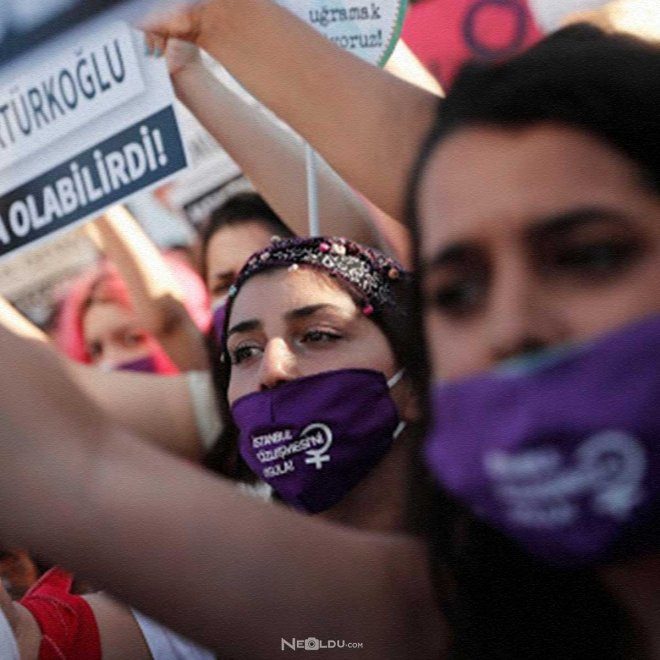
It starts with specialized support. Not generic advice. We’re talking about a comprehensive safety net. For victims and their children, this means immediate access to psychological and legal counsel. Medical care is non-negotiable here. If the trauma is physical, the body needs healing alongside the mind.
Then there’s shelter. We need enough safe houses. Not just a few tokens. Enough to actually cover the need. These aren’t just buildings. They are lifelines.
And the hotline. It has to be there. 24/7. Free. Toll-free. When it’s 3 AM and the fear is real, you shouldn’t have to pay for help or worry about who’s answering.
The core of every measure must be this: safety. Real safety. Not just on paper. The victim’s needs come first. Their comfort. Their sense of security. Everything else is secondary to that.
“If safety isn’t the priority, nothing else matters.”
This isn’t about bureaucracy. It’s about survival. And dignity.
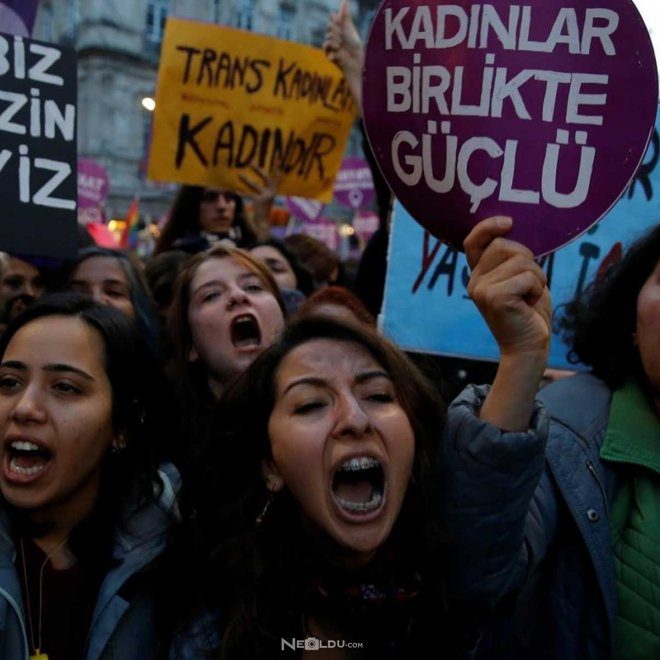
The legal system is often where promises meet reality. For women facing violence, that meeting point needs to be fair, firm, and fast. It’s not just about punishing the offender. It’s about proving that the system actually works when lives are on the line.
Speed and Safety First
When police respond, time is everything. A delay isn’t just a bureaucratic glitch. It’s a gap where danger grows.
The goal is simple but hard to execute: instant response. Officers need the training and the protocols to rush toward help the moment it’s called. No red tape. No hesitation. If a situation turns dangerous, the response must be competent and decisive. This isn’t just about arrest. It’s about de-escalation and immediate physical safety.
Protecting the Victim in Court
Being a victim of gender-based violence shouldn’t mean becoming a spectacle. The courtroom can feel like a trap, designed to wear you down.
That’s why special protective measures during investigation and trial are non-negotiable. This means:
– Private testimony options so victims don’t have to face their abuser directly.
– Secure transport to and from court.
– Legal guardians or advocates who understand trauma.
-屏蔽ed identities in public records where possible.
Victims need to know they won’t be re-traumatized by the process meant to help them.
No Excuses for Violence
Let’s be clear. Tradition, customs, religion, or “honor” are not get-out-of-jail-free cards.
Historically, these concepts have been twisted to justify abuse. A husband beating his wife for “discipline.” A family harming a daughter for “marrying outside the culture.” A community ignoring assault because it’s “internal.”
The law must draw a hard line: no justification for violence. None. Not if it’s wrapped in a religious robe. Not if it’s handed down from elders. Not if it’s called “preserving honor.” When prosecutors and judges treat these as excuses rather than evidence of malice, the system fails. Period.
Making It a Crime, Not a Mistake
This is the foundation. If an act isn’t classified as a crime, it’s just a dispute. It’s a “family matter.” It’s a misunderstanding.
To end gender-based violence, we must explicitly classify it as a criminal offense. This changes everything. It moves it from the realm of social negotiation to the realm of justice. It ensures that necessary penalties are applied consistently. It sends a message that harming women is not a cultural nuance. It is a punishable act.
The path from reporting to resolution is long. But if the final step—prosecution—is weak, the whole journey collapses. We need laws that bite. Courts that listen. And a society that stops making excuses for predators.
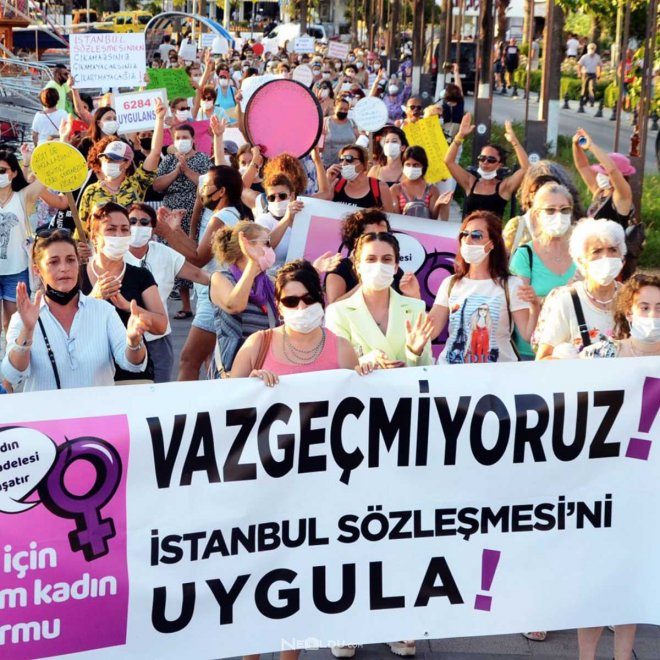
Why isolated fixes never work on systemic violence
You can patch the roof, replace the windows, and repaint the walls, but if the foundation is cracked, the house still falls.
That is what happens when we treat domestic violence as a series of disconnected incidents.
We need to stop looking at these issues in silos.
The measures listed above—the legal protections, the economic support, the shelter networks—are not standalone items on a shopping list. They are parts of a single mechanism.
If one gear strips, the whole machine jams.
“A fragmented approach guarantees failure. We need a unified front.”
This isn’t about bureaucracy.
It’s about survival.
When a woman escapes an abuser, she doesn’t just need a restraining order.
She needs a job that pays enough to live.
She needs a therapist who understands trauma without victim-blaming.
She needs a police force that believes her the first time.
She needs a housing market that doesn’t price her out of safety.
If you have the law but no money, you go back.
If you have money but no legal protection, you stay at risk.
If you have protection but no social support, you are isolated.
That is why “holistic policies” isn’t just a fancy policy term.
It is the only way to actually break the cycle.
We have to coordinate.
Legislators, NGOs, healthcare providers, employers, police.
They have to talk to each other.
Not occasionally.
Constantly.
Because the woman in question is living through all of this at once.
Her experience is not split into legal, financial, and emotional categories.
It is just one big, terrifying reality.
Our response should be the same.
Integrated.
Coordinated.
Real.
Otherwise, we are just rearranging deck chairs.
And the ship is still sinking.
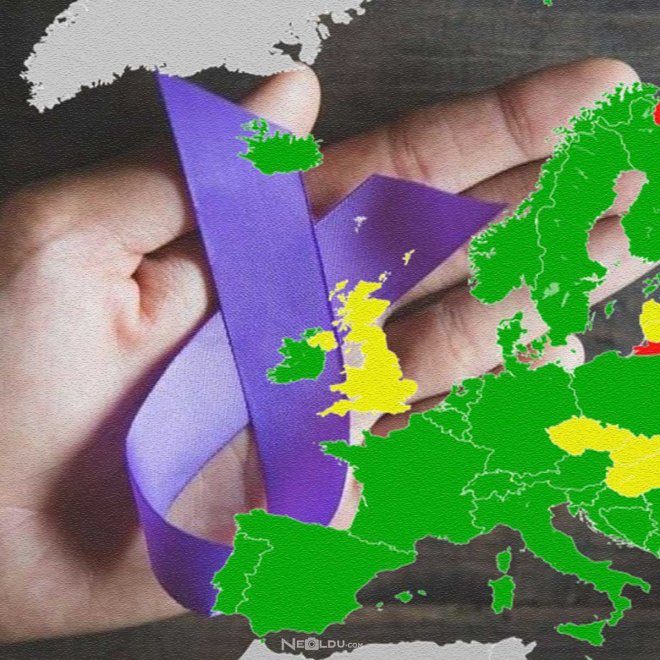
When Contracts Become Weapons
Here is the hard truth the Istanbul Convention makes clear. Domestic violence isn’t a private family matter. It’s a crime. And the law doesn’t treat it like a marital dispute.
The text lists specific offenses that trigger mandatory legal or penal sanctions. These aren’t just “bad behavior.” They are prosecutable acts.
- Intimate partner violence: This covers physical, sexual, psychological, and economic abuse within the home.
- Stalking: Harassment with the intent to torment or control.
- Sexual violence: Including rape and sexual assault.
- Sexual harassment: Unwanted sexual advances or comments.
- Forced marriage: Marrying someone against their will.
- Female genital mutilation (FGM): A violent practice targeting women and girls.
- Forced abortion and sterilization: Coercing a woman into terminating a pregnancy or undergoing sterilization.
The message is simple. Violence against women does not stay behind closed doors.
Even if the perpetrator is a husband, boyfriend, or close relative. The law requires harsh punishment. There is no immunity for family members. The state steps in. The contract is broken. The punishment is real.
“Violence against women is not a private issue. It is a public crime requiring severe penalty.”
This framework removes the “it’s personal” defense. It asserts that safety is a right. Not a privilege granted by a partner.
If you want to read the full text of the convention, you can find the complete document linked in the official resources.
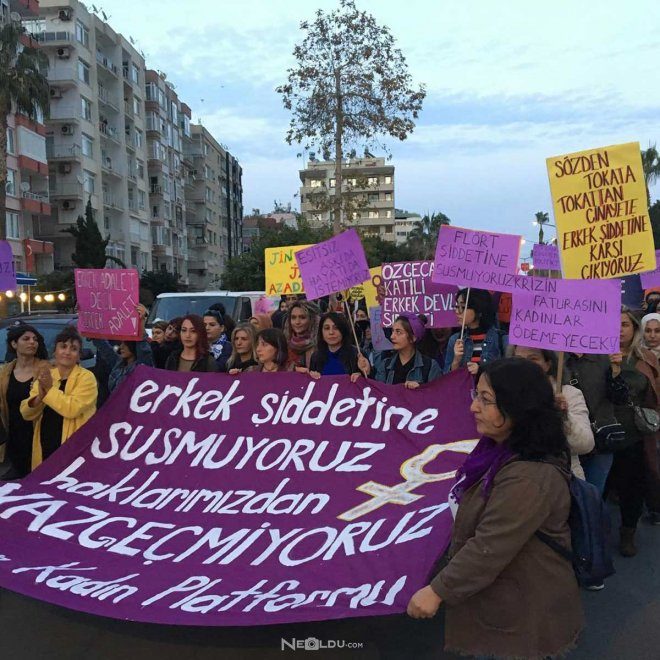
The Quiet Power of Saying No
It used to feel like a loss. Like I was leaving something behind. But here is the truth no one tells you about setting boundaries. You are not losing friends. You are curating your peace.
Most of us were taught that being “nice” means being available. That saying no is mean. That if you are not constantly saying yes, you are failing at being a good woman. A good friend. A good employee. A good mother.
Stop it.
Saying no is not an act of aggression. It is an act of self-preservation. And honestly? It is the most attractive thing you can do.
Why Your Energy Is a Currency
Think about your energy as a bank account. Every time you say yes to something you do not want to do, you are making a withdrawal. You are draining the reserves you need for what actually matters.
Your career. Your mental health. Your genuine connections.
When you overcommit, you show up empty. You bring resentment to the dinner table. You bring burnout to the boardroom. You bring distraction to your child’s bedtime story.
Which is worse?
Letting someone down for an hour.
Or letting yourself down for years?
The answer is obvious. Yet we keep doing it. We keep signing up for the committee. The extra shift. The social event we dread. All to avoid the temporary discomfort of a simple sentence.
How to Draw the Line Without Guilt
You do not need a speech. You do not need to justify your decision. You just need to be clear.
Here is how it works in real life.
1. The Direct Decline
“I can’t make that work.”
That is it. No explanation. No “I have to check with my husband” or “Let me see if I can get a babysitter.” If you need to check, the answer is no. Period.
2. The Soft No
“That sounds fun, but I need to rest this weekend.”
Valid. You are not obligated to socialize when you are exhausted. Rest is not a reward. It is a requirement.
3. The Hard No
“I am not interested in this project.”
At work. At home. In friendships. You have the right to say no to opportunities that do not align with your current goals. Or your current capacity.
The Awkward Pause
This is the part where your stomach drops. The silence after you speak. The fear that they will think you are difficult. That they will stop inviting you.
Let them think it.
If someone respects you, they will respect your no. If they get angry, they were interested in your compliance, not your company. And that is a bad look on anyone.
I learned this the hard way. I said yes to a wedding I could not afford. I said yes to a job I did not want. I said yes to helping a friend move when I was already broken.
The result? I was broke. I was resentful. I was exhausted. And the friendships that mattered? They suffered because I was too busy pretending to be available for the ones that did not.
What Happens When You Stop
At first, it feels lonely. You are breaking old patterns. You are