
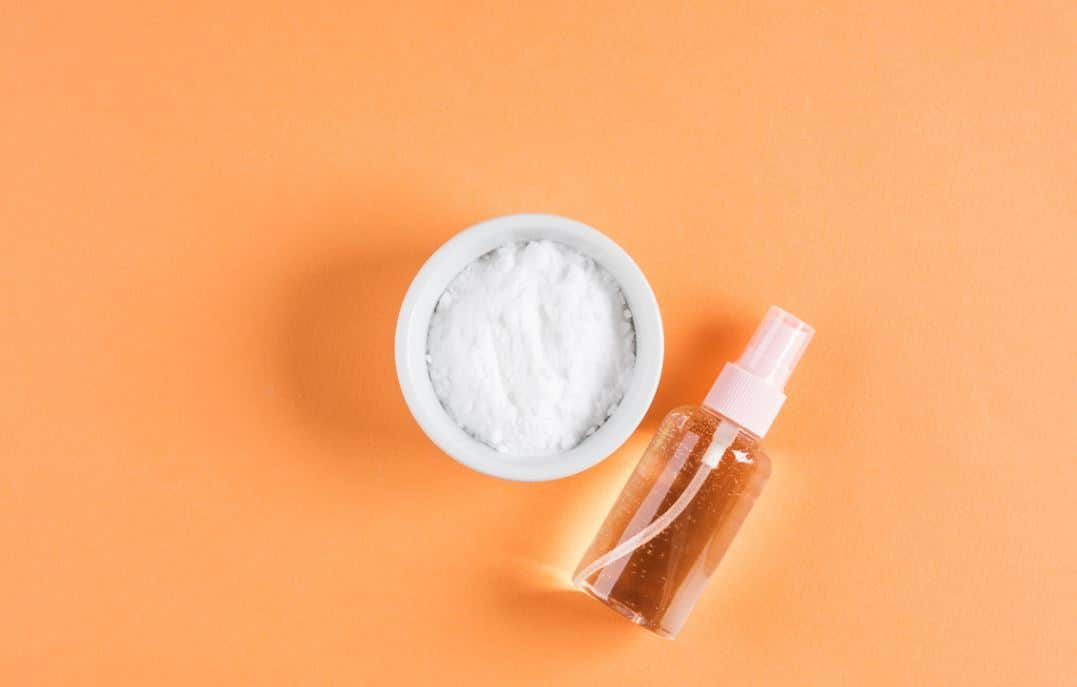
Baking soda has long been the unsung hero of the cleaning cupboard. It dissolves grease, deodorizes shoes and scrubs sinks without leaving behind toxic residues. Recently, however, it has moved from the janitor’s closet to the vanity. You might find it mixed into face masks, body scrubs, or whispered into your hair care routine.
It seems everyone is looking for a cheap, natural alternative to commercial products.
But here’s the thing. Baking soda is not just gentle exfoliant. It is a chemical force. Improper use can damage the skin barrier or leave the hair feeling like straw. So why do people use it and how do you incorporate it into your beauty routine without causing harm?
The chemistry behind cleanliness
To understand how to use baking soda for hair and skin, you must first observe the pH level.
The pH value of baking soda or sodium bicarbonate is around 9. The skin’s natural acid mantle is between 4.5 and 5.5. The hair cuticle prefers a slightly acidic environment to stay smooth and closed.
When you put a substance in your body that has a pH of 9, you essentially disturb this balance.
For some, this disruption opens up the hair cuticles, allowing deep cleansing. In others, it leads to breakage.
Hence the question “How to use baking soda for hair care?” it is often accompanied by a warning. It’s powerful. It removes the buildup that shampoos miss. It fights fungal acne in the body. But it’s not a daily driver. It’s more like a reset button.
Where it fits into your routine
You don’t need to buy new products to try this. You probably have it in your kitchen.
For the body it provides an effective exfoliant. Mix it with water or mild oil. The texture is granular. It removes dead skin cells from elbows, knees and heels. It also helps neutralize underarm odors before applying deodorant.
For the face use sparingly. A thin paste can help cleanse oily skin. However, if you have dry or sensitive skin, you should stay away. Alkalinity can strip away natural oils, causing feelings of tightness and irritation.
For hair, the conversation is the loudest. Many people use it as a shampoo substitute. The method is simple: mix a tablespoon of baking soda with a quarter cup of water. Apply to damp scalp. Massage. Wash.
As a result, the hair feels incredibly clean. Sometimes too clean. The cuticle opens. Hair becomes porous. Herein lies the confusion. People wash it away, but structural change is here to stay for a while.
Who should avoid it?
Not all hair types can withstand alkaline treatments.
If your hair is chemically treated, colored, or naturally dry, baking soda can lighten the color faster than you want or leave frizz that no conditioner can fix. It can also make conditions like eczema or psoriasis worse by drying out the skin even more.
Listen to your hair. If it feels squeaky and stiff after use, it is not clean. It’s an damage.
The trend continues to grow.
Baking soda has earned its reputation as a household staple, and for good reason. It is cheap, eco-friendly, and an aggressive cleaner. But before you dump it directly into your shower routine, you need to understand the mechanics. Its mild abrasiveness is effective, yes. It tackles pollution, dust, product buildup, excess sebum, and even hard water minerals.
However, that same power works both ways.
How to Add Baking Soda to Your Routine Safely
If you are curious about baking soda shampoo for women looking to reduce chemical exposure, start small. Mixing a teaspoon of baking soda into your regular shampoo is the safest entry point.
Here is the catch: you cannot use this mixture daily. You must alternate it with your standard cleanser. Why? Because baking soda absorbs particles. If you use too much, or use it too often, it strips away the good stuff along with the bad. Your scalp will dry out. That is not a bug; that is the chemical reality.
Baking soda absorbs bad particles, but in excess, it absorbs the good ones too.
This approach is not for everyone. If your hair is already dry, brittle, or coily, skip it. These hair types are already thirsty. Even the mild drying effect of baking soda can cause further damage, leading to breakage and frizz.
DIY Baking Soda Shampoo: A Simple Recipe
Making your own cleanser is straightforward if you want to go full DIY. You do not need a complex laboratory. You just need ratios.
Mix one part baking soda with three parts water. You can do this in a bowl or a small bottle. Apply the solution to your hair. Massage your scalp gently—do not scrub aggressively—and work it through to the ends. Let it sit for about three minutes. Rinse thoroughly with clear water.
Be aware that this mixture will not lather. This is normal. There are no sulfates in baking soda, so you will not get that fluffy, foam-y feeling you are used to. That lack of suds does not mean it is not working.
Use this homemade version no more than once a week. Overuse leads to the same dryness issues mentioned earlier.
For Oily Roots Only
There is one specific scenario where pure baking soda shines: oily roots. If your hair gets greasy quickly, you can apply a small amount of dry baking soda directly to the roots. Brush it through your hair to remove any residue. It acts as a dry shampoo alternative, absorbing oil in real time.
Just remember that moderation is key. Your hair has a natural balance. Disrupting it too harshly will only force your scalp to produce more oil to compensate.
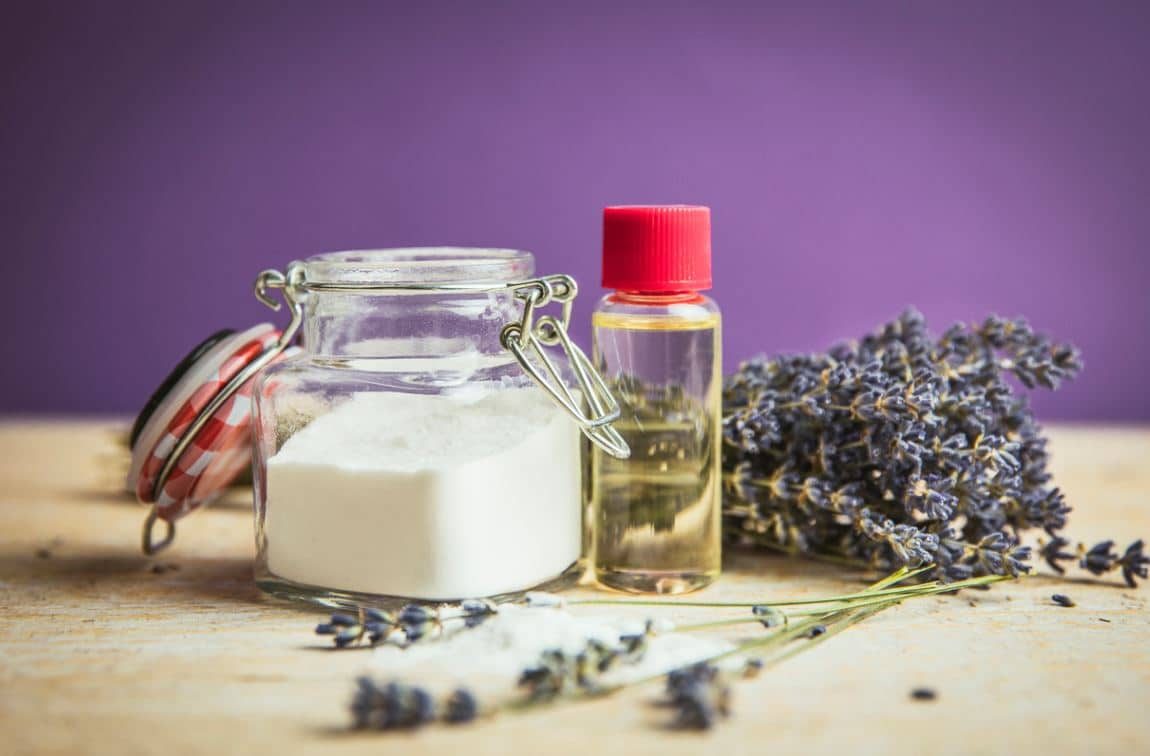
Make your hair soft with a baking soda conditioner and give it shine
You don’t have to stop at just shampoo. Baking soda can also act as a base for a conditioner that makes hair soft and gives it real shine. The secret lies in combining it with apple cider vinegar.
Here’s how to mix it:
- For short hair, mix a teaspoon of baking soda with a glass of water. For medium length hair, use two teaspoons. For long hair, take three teaspoons. The end result should be a thick paste.
- In another glass, mix two tablespoons of organic apple cider vinegar with two or three drops of ylang-ylang essential oil.
- Apply the baking soda mixture to the scalp and hair. Rub it gently. Leave it on for a few minutes.
- Rinse thoroughly with water.
- Now apply the vinegar mixture to the lengths of the hair. Leave on for five minutes.
- Rinse with clean water. Dry your hair naturally in the air.
The combination covers the hair and gives it shine. The smell of vinegar disappears quickly. However, before use, check whether essential oils have any contraindications. If you are unsure, consult a doctor.
Lighten hair with baking soda
Baking soda can also lift artificial colors. If you don’t like your current dye job, this powder can help. It removes artificial pigments and henna. It won’t lighten your natural pigment.
If you have white hair that turns yellow, baking soda can replace store-bought shampoos.