You leave the salon feeling like a goddess. The highlights get the light just right. Two weeks later, the shadow of the root appears. It’s ugly. The line of demarcation is sharp, hard and undeniable. It destroys the illusion.
This spring, the beauty world is whispering about change. A new method is coming. It promises to fade so smoothly that it defies the laws of physics. It challenges the king of highlights: traditional balayage. But why is this happening now? The answer lies in durability. It’s in the subtlety. It’s about respecting the hair fiber. This is the story of color melting and why it is becoming the new standard for women who want lasting beauty.
The end of the era of traditional highlighting
For decades, hair bleaching meant one thing: bleaching mid-lengths and ends. That was the rule. Standard. If you wanted dimension, you focused on tips.
This era is coming to an end.
The aesthetic limitations of this approach are now apparent. Focusing the bleach on the limbs creates mechanical contrast. It looks heavy. Over the weeks, this contrast ages the face rather than firming it. The hair fiber is oxidized. External aggression turns the bright initial light into a dull, brassy shadow. Suddenly you are sitting in the chair again. Again.
It is not effective. It is not sustainable. Modern women do not want expensive maintenance. We want a result that breathes. We want a finish that looks like it came from the sun, not a chemistry lab.
The demand for a “faux natural” look
Spring brings with it a desire for harmony. Nature blooms. We want our hair to match this energy. The savvy consumer is looking for alternatives that mimic sun-kissed hair without compromising hair health. We have re-edited.
This shift towards an artificial natural finish is not just a trend. It’s philosophy. It’s back to basics. It’s a rejection of the “more is better” mindset. It’s about a beauty routine that’s minimalistic. Respectful. Practical.
Enter the color melt
Balayagen korvaavalla tekniikalla on nimi, joka kuvaa tarkasti sen toimintaa: värin sulaminen.
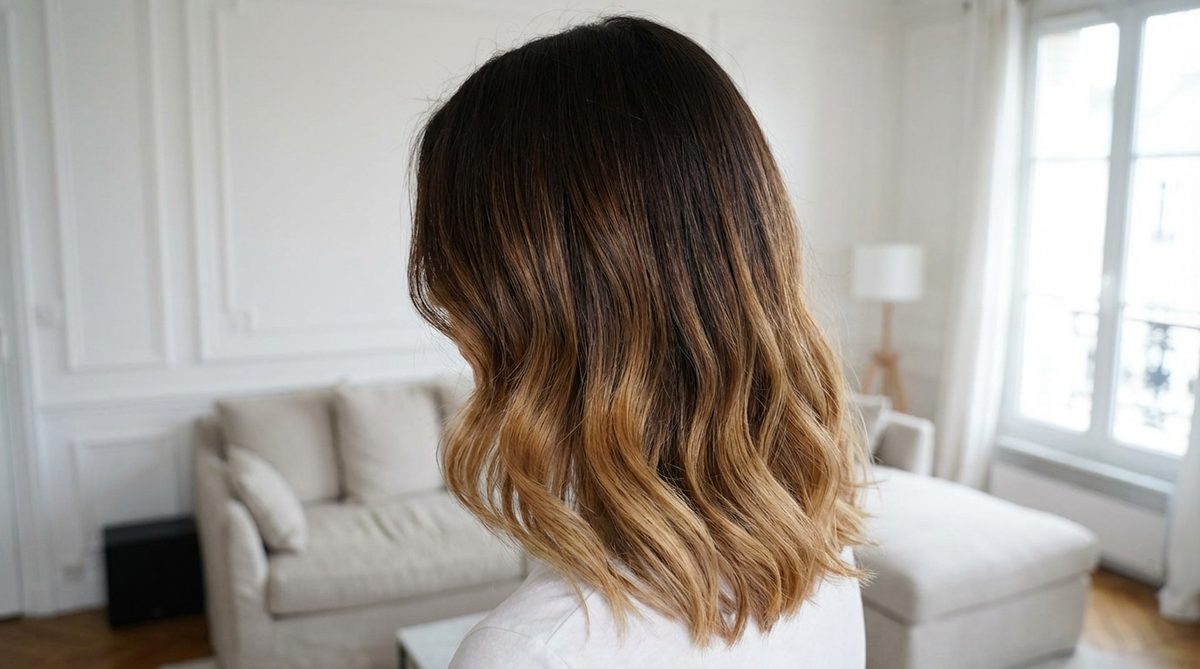
Traditional methods layer colors. They are stratified by sector. Color melting is different. It combines nuances. It blends them from root to length. The goal is a continuous gradient. Smooth transition. No lines. No limits.
The result is sensitive. It’s alive. Näyttää siltä, että hiuksesi olisivat luonnollisesti patinoituneet auringolle altistumisesta. It is a transition that defies time.
Moving away from the “Zebra” effect
Remember those thick, heavy stripes? The ones that looked like graphic zebra stripes? They are gone. Color Melting destroys graphically visible effects. It breaks the mold.
By mixing the pigments directly into the hair – whether wet or dry – an invisible bridge is created during application. It combines the natural color of the root and the brightness of the ends. This fusion acts as a filter. It balances the asymmetry. The color flows across the fiber like subtle ink. It guarantees timeless elegance. It moves away from the artificial look of the past.
Moving with millimeter accuracy
How does it work? It depends on the choice of pigment. You can’t guess here. The choice is strategic.
The chosen colors are very close to the natural base color. Imagine a monochrome palette. You can choose two, maybe three shades. The variation is small. A half tone. One tone maximum. This strategy creates a delicate shadow.
Where classic balayage forces nature by bleaching the ends violently, Color Melting focuses on logic. The gradient is so smooth, so natural, you can’t tell where one color ends and the next begins.
The art of pigment processing
The secret lies in the handling. The products used are designed to hydrate and saturate the fiber. This allows the pigments to glide perfectly from one area to another.
Technology is slow. Measured. The color extends downward from the root. A lighter shade rises towards him. This creates an overlapping area. Protective layer. Each hair is wrapped in a case of light.
This level of care is in line with the idea of sustainable beauty. We want to refine the material. We don’t want to change it radically. We want it to look like it always has. Simply better.
The salon chair is no longer just a place for repairs. It is a place of evolution. And for those who are tired of the root shadow, the melt awaits.
Why this hair trend feels like a breath of fresh air
Forget the distracting, high-contrast blocks of color that defined balayage. We are moving towards something much more alive. The new standard is an individual, living light that seems to come from within.
Whether your skin is porcelain, olive undertone, or rich melanin-rich, this technique works naturally. It does not affect your natural features; it harmonizes with them. By removing sharp lines, the color warms or cools the face in a soft way that smooths rough corners. It surrounds your face with a bright but gentle glow, avoiding visual fatigue caused by overly saturated or harsh tones. This is especially important as we move into spring, when bold colors can look dated or draining.
Illusion of mirror-like brilliance
Here’s the science behind the magic: the lack of color break creates an optical illusion. When the light hits the hair, there are no visual barriers or hard lines to stop it. The light continuously slides along the entire length.
This uninterrupted reflection multiplies the perceived shine. Suddenly, hair looks thicker, fuller and undeniably healthier. It provides the desired mirror-like finish without resorting to heavy, artificial chemical coatings. For anyone who values authentic radiance over crafted perfection, this is the holy grail.
Death of an unpleasant root line
Let’s talk about the practical side. The biggest advantage of this method is what happens when the hair grows back.
At a time when responsible consumption is important – for both your wallet and the planet – spacing out salon visits is a priority. This technique makes it possible. Because the roots are left natural or lightly shaded depending on your true base, regrowth doesn’t create the dreaded hard border. The fading process is elegant and follows the hair’s natural protective fibers.
Fewer color appointments means less rinsing, less chemicals down the drain and a smaller environmental footprint. It just makes sense.
Low-maintenance home maintenance
By freeing yourself from strong technical constraints, you save time and reduce the mental strain associated with maintaining your appearance. Home care becomes simple, healthy and minimalist. You don’t need complex regimen; Just a few smart adjustments keep the shine alive:
- Use a gentle repigmentation treatment every two weeks, focusing on ingredients that nourish rather than strip.
- Before shampooing, apply a vegetable oil treatment to the ends of the hair to seal in hydration.
- Use sulfate-free shampoos. Sulfates are aggressive; They eat away at the pigment and dull the finish you’re paying for.
These habits turn maintenance a wellness ritual rather than a chore, and they maintain a radiant effect for months.
Why stylists are making the switch
It’s no surprise that top colorists use this approach. The industry is moving from the industrialization of foil and aluminum wraps towards something more holistic.
The flexibility offered by the melting colors enables bespoke work. It puts skills and artistry back at the center of the service. Many see this as a logical, mature evolution from older, stereotypical highlighting methods. Color becomes texture – manipulable and infinite – resulting in an finish that simply cannot be achieved with standard techniques.
The future of hair color
The perfect hairstyle equation finally seems to be solved. This approach respects the natural growth cycle while providing spectacular light. It transforms dyeing from chemical ordeal to a hair ally.
Each tone corresponds to the next. The shades whisper to each other and create a fascinating play of subtle relief with every movement of the head. It’s a poetic approach to hair that goes beyond a fleeting aesthetic trend. It becomes a philosophy of beauty.
Skillfully eliminating the shortcomings of its predecessors, this melting technique has established itself as a new reference in the salon. Its invisible root-to-end transition, deceptively natural shine and remarkable regrowth resistance enhances the hair without the need for a punishing routine. It’s a revolutionary trompe-l’oeil that delivers the color of your dreams without ever betraying the artistry behind the brush.
The question is not whether this will last. The question is, can you ever go back to the look of hard lines and harsh contrasts. Probably not.