Zucchini has a reputation problem. It’s watery. It’s bland. It steams in its own juices until you’re left with a soggy, green mess on the plate.
Unless you do the one thing most recipes skip.
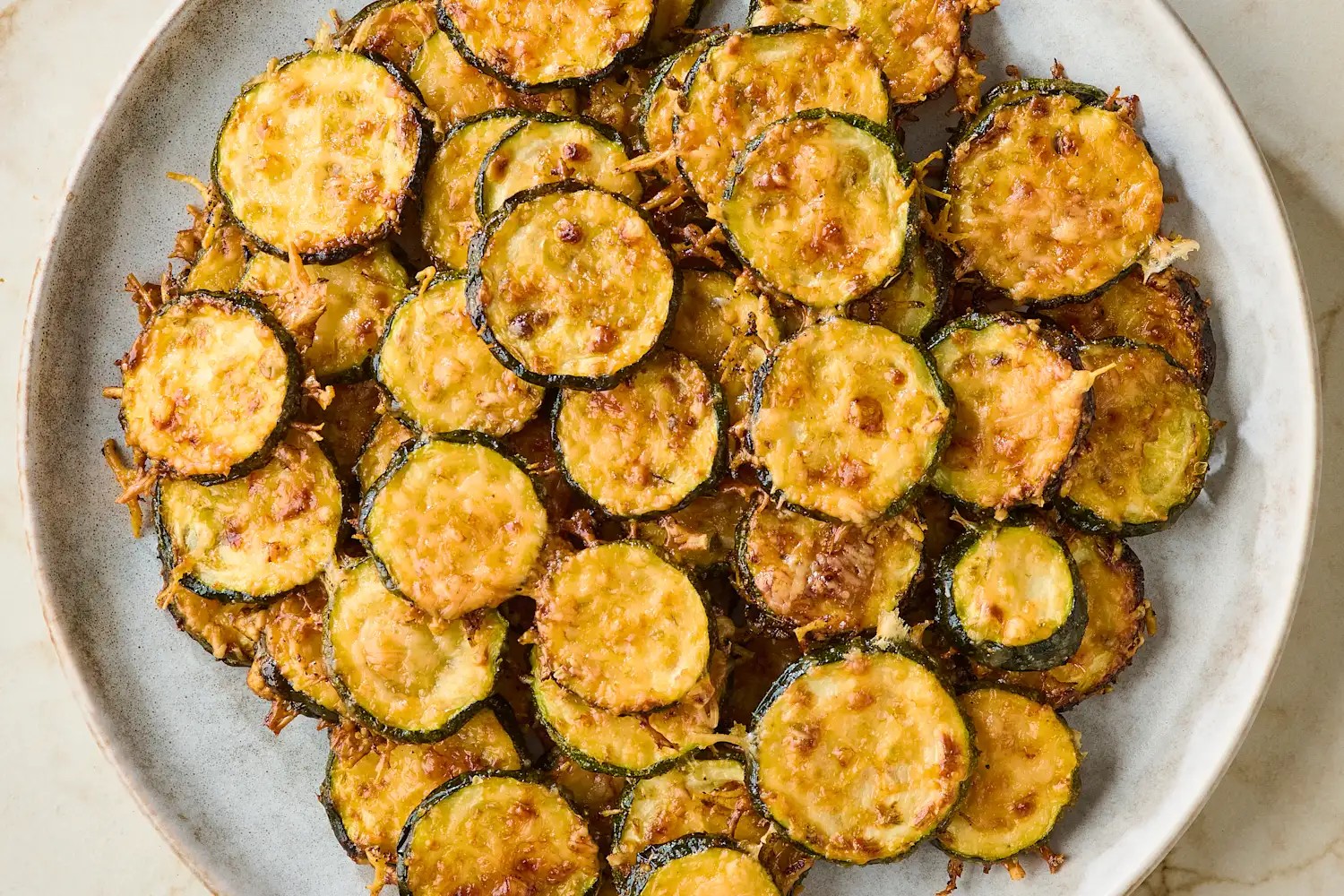
This Parmesan Crusted Zucchini changes that dynamic entirely. It transforms summer’s most abundant, often-overlooked vegetable into something that feels more like a snack than a side dish. The crust isn’t just melted cheese. It’s browned, nutty, and aggressively crispy.
How to make Parmesan crusted zucchini crisp instead of chewy
Here is the hard truth about roasting zucchini. If you throw raw slices onto a baking sheet and bake them, they steam. The internal moisture escapes, pools on the hot metal, and turns your crisp potential into soup.
You have to force the water out before the heat does the work.
The method is simple, but it requires patience you might not think you have.
Salt the rounds first. Toss one pound of medium zucchini slices—cut into quarter-inch rounds—with half a teaspoon of kosher salt. Let them sit. Thirty minutes.
During this time, the salt draws out the excess water. It seasons the vegetable from the inside out. It prevents the “soggy zucchini” outcome that plagues so many home cooks.
While the zucchini sweats, prep your cheese. This is where people usually cut corners, and it shows.
Do not use the pre-shredded stuff in the plastic bag. It’s coated in cellulose to prevent clumping, which means it won’t melt smoothly or crisp up properly. It clumps. It turns chewy. It fights you.
Grate two ounces of Parmesan fresh from a block. Use the smaller holes on your box grater. You want fine shreds, not sawdust.
Once the thirty minutes are up, pat the zucchini dry with paper towels. Really dry. Transfer them to a bowl with olive oil, garlic powder, dried oregano, and a final pat of dry paper towels if any moisture remains.
Arrange them on a parchment-lined baking sheet. Pile the grated Parmesan on top. Pat it down so it sticks.
Roast at 450 degrees Fahrenheit.
Why fresh Parmesan matters more than brand name
You don’t need imported, aged Italian cheese for this. That would be expensive overkill.
But you do need fresh grating.
Freshly shredded cheese melts differently. It binds with the oil and the vegetable’s natural sugars to form a lacy, rigid crust. Store-bought shredded cheese can work in a pinch, but the result is heavier. Less delicate.
If you find yourself in a bind and only have shredded cheese in the pantry, use it. It will bake up crisp, just not in that magical, see-through lacy way. Just stay far away from the pre-grated powder-like cheese. That stuff never wins.
The best ways to serve this low-carb vegetable snack
We call it a side dish. We treat it like a side dish.
But let’s be honest. You’re likely going to eat half the tray while it’s still warm on the counter.
Patty, our recipe tester, admitted she couldn’t stop eating them straight off the baking sheet. She even suggested tossing the leftovers into pasta for a meat-free main.
That’s a fair point. The salty, herby, cheesy topping is versatile.
- Serve it as a standalone appetizer with drinks.
- Use it as a low-carb substitute for fries or chips.
- Crumble the cold leftovers into salads for a protein kick.
- Pair it with grilled chicken or fish for a balanced, light dinner.
It fits into almost every dietary niche, too. It’s vegetarian. It’s gluten-free. It’s keto-friendly if you watch your other sides. It’s essentially pure flavor with a high volume of air.
Quick troubleshooting for roasting vegetables
Did the cheese burn before the zucchini cooked?
Turn the heat down. Or, if the cheese is perfectly golden but the zucchini is still hard, switch your oven to broil for the final two minutes. Watch it like a hawk. The difference between golden and carbon takes about ninety seconds.
Want more herb flavor? Swap the dried oregano for Italian seasoning. Want color variety? Yellow summer squash works identically.
The key remains the salt-and-dry step. Skip it, and you’re back to steaming vegetables. Do it, and you get something that cracks when you bite into it.
Storage is easy. Keep leftovers in an airtight container in the fridge for up to four days. Reheat them in the oven or an air fryer to regain some crunch.
Is it worth thirty minutes of waiting?
When you bite into that first round and hear the snap of the cheese, you’ll decide for yourself.