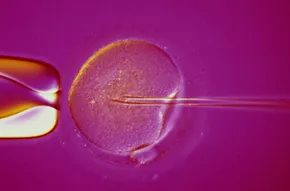
A healthy egg is the non-negotiable starting line for conception. If a woman’s ovarian reserve is low or depleted entirely, the path to carrying a pregnancy to term narrows significantly. For years, adoption stood as the primary alternative for building a family, but the landscape of reproductive options has shifted. Today, many women are turning toward donor eggs to bypass biological barriers that once seemed insurmountable.
It helps to understand the scale of the industry to see where you fit in. Every year, roughly 100,000 women undergo egg harvesting. That number might sound abstract, but it breaks down clearly: only about 10 percent of those donors are giving eggs to others. The remaining 90 percent are harvesting their own eggs for personal fertility treatments like IVF. This means the vast majority of women interacting with this technology are doing so for themselves, not as anonymous contributors.
The machinery behind this is assisted reproductive technology (ART). It’s a clinical process where eggs are surgically pulled from the ovaries, fertilized with sperm in a lab dish, and then transferred into the uterus. Sometimes the resulting embryo is donated to another woman, but often it stays with the original patient. While the medical community utilizes several methods—including Gamete Intrafallopian Transfer (GIFT), Zygote Intrafallopian Transfer (ZIFT), and Tubal Embryo Transfer (TET)—In Vitro Fertilization (IVF) is the gold standard most people recognize. ART has been a fixture in US medicine since the early 1980s, with the first donor egg baby arriving in 1984.
The data from the mid-2000s offers a concrete snapshot of efficacy. In 2005, the CDC tracked about 400 fertility clinics across the country. They recorded over 134,000 ART cycles, which resulted in nearly 39,000 live births. This is where the distinction matters: women using donor eggs accounted for 12 percent of those cycles. More importantly, the success rate for that specific group was staggering—over 50 percent of those cycles resulted in a live birth.
Who actually makes this choice? What does it take to become a donor? The answers are more complex than the statistics suggest.


Who Actually Needs an Egg Donor?
It isn’t just about age, though that’s the biggest factor. Most women opting for an egg donor are over 39. But the reasons run deeper than just running out of time. Some face early menopause. Others deal with poor egg quality or chromosomal issues. It’s a medical reality, not a failure.
Then there are the women who have been through the wringer. Radiation. Chemotherapy. Ovarian surgery. These treatments can leave ovaries unable to produce healthy eggs. If fertility drugs didn’t work, or if the body just wasn’t responding, donation becomes a viable path. It’s a decision made with a doctor, usually at a fertility center that handles everything from sperm donation to full couples’ care.
The Medical and Financial Hurdles
Before any eggs are even retrieved, the recipient has to clear a lot of paperwork. And tests. Lots of them.
You’re looking at blood work. Cultures. A Pap smear. A full uterine evaluation. You need a healthy uterus unless you’re going the surrogacy route. If you’re over 40, they’ll add a mammogram. Over 45? You’re getting a chest X-ray, an EKG, and a fasting metabolic panel. It’s thorough. It’s invasive. It’s necessary to keep you safe.
Psychological evaluations are part of the mix too. So is legal and financial counseling. Because this isn’t cheap.
Assisted reproductive technology is expensive. We’re talking $15,000 to over $50,000 in the U.S. The price tag shifts depending on the clinic. You’re paying for pre-screening. Donor compensation. Medications. The IVF procedure itself. Embryo transfers. Cryopreservation if you’re freezing extras. Medical fees often sit separately on the bill, adding up quickly.
The Legal Side of Things
Money isn’t the only contract signing. You need a legal agreement that covers all bases.
This document establishes who pays for what. It handles confidentiality. It defines responsibilities. But most importantly, it establishes parental rights.
Remember the 1998 Buzzanca v. Buzzanca case? The court ruled that genetics isn’t the only thing that makes you a parent. Parental rights are established when intended parents consent to and initiate the reproductive treatment. Sperm donation. Egg donation. Surrogacy. It doesn’t matter if you share DNA. The law sees the intent, not just the genes.
Finding the Match
Once the medical and legal boxes are checked, you start looking for a donor.
Your clinic or an egg broker helps you sift through anonymous databases. These are often online. You can filter by race. Ethnic origin. Religion. Eye color. Hair color. Height. Education level. It’s like shopping, but with profound emotional stakes.
You also write a personal profile. This goes to the donor. It’s non-identifying. It shares your story. The struggle with infertility. The hopes. The fears.
The broker contacts potential donors. They check availability. They share your profile. If it clicks, you have a match. If not, you go back to the list.
The Donor’s Perspective
So, who are these women? What drives them to give?
We’ll look at the donors next. What criteria do they need to meet? Does location matter? How do they feel about the process? Let’s dig into that.


Most women who donate eggs aren’t doing it for the paycheck. Sure, money helps. But the real driver is usually altruism. It’s the quiet satisfaction of helping someone else build a family. Some step in to help a friend or relative who is struggling with infertility.
The numbers back this up. A survey by the American Society for Reproductive Medicine (ASRM) of 100 donors revealed that 68% cited helping others as their top motivation. Only 29% pointed to financial compensation. And just 3% did it specifically for a family member. The commitment runs deep. Every single donor said they would do it again. Half even said they would go without pay if they had to.
Who Qualifies to Donate?
You can’t just sign up. The bar is high. Programs require rigorous screening. First, there are age limits. Most clinics want donors between 21 and their early thirties. Why? Because egg quality drops sharply by age 35. You need your best genetics.
Then there are the hard requirements. Clinics look for:
- Education: Advanced degrees are often preferred.
- Health: A normal body mass index. No smoking. No substance use.
- History: A clean family medical record.
- Logistics: Proximity to the clinic and the ability to show up for appointments.
Mental health is non-negotiable. Candidates cannot be in unstable relationships. They can’t be on psychoactive medications. There should be no history of serious psychological disorders or untreated trauma. If you can’t give informed consent, you’re out.
The Screening Gauntlet
Once you pass the initial check, the real work begins. It’s not just a form. You’ll undergo physical exams. Infectious disease testing. Genetic screening. Psychological evaluations. You’ll map out your personal and family medical history in detail. Some clinics even ask for photos of you as a baby and as an adult. It’s invasive. It’s thorough. It’s necessary.
Money and Legalities
Here’s the legal nuance: donors are paid for their time and effort. Not for the eggs themselves. Selling eggs is illegal. So, the compensation is structured as a fee.
ASRM guidelines suggest $5,000 as a reasonable baseline. Some women earn more. Some reports show thousands of dollars changing hands. But the contract is what matters. It outlines every financial and legal responsibility. It establishes parental rights. Or rather, it waives them. Donors give up all rights to any resulting children or remaining embryos. Confidentiality is also baked into the agreement.
The Anonymity Question
Most donations are anonymous. The recipient doesn’t know who the donor is. The child won’t know, either. Privacy is guaranteed. But guarantees can break.
Rarely, a clinic or a party involved might leak information. Sometimes, donors choose to break their own anonymity. That’s where the Donor Sibling Registry comes in. Launched in 2000, it’s a website that connects people conceived from sperm, egg, or embryo donations with their genetic half-siblings, mothers, and fathers. Donors can use it too, to find their own genetic offspring.
It’s not just a database. It’s a lifeline. The registry has nearly 12,000 matches and almost 20,000 registrants. Anonymity isn’t forever if people choose otherwise.
What Happens Next?
You’ve passed the tests. You’ve signed the papers. You’ve been paid. Now, what?
How exactly are the eggs removed? What does the procedure feel like? The physical reality of egg donation is a different beast entirely. We’ll get into the mechanics of extraction and the recovery in the next section.

The Medical Timeline: Synchronizing and Stimulating
Once the legal paperwork clears and medical screening is complete, the actual work begins. It’s not just showing up for a procedure. It’s a months-long dance of hormones, needles, and patience. The first hurdle? Getting the donor’s and recipient’s cycles to align. They have to be on the same biological clock.
It starts on day one of the donor’s period. Blood tests and vaginal ultrasounds check ovarian function. Then, the birth control pills start. Daily injections follow to suppress natural ovulation. These are gonadotropin (GnRH) agonists. They shut down the pituitary gland’s hormone output. It takes about four weeks. The donor monitors progress with routine scans. Finally, she stops the pills. A sync’d period marks the end of this phase.
The Stimulation Phase
Next comes ovarian stimulation. This is where things get intense. Normally, a woman releases one egg per month. Here, the goal is multiples. The donor injects herself with hormones to push her ovaries to produce several mature eggs. The recipient is also medicated. She takes drugs to suppress her own ovulation and thicken her uterine lining for the eventual embryo transfer.
Monitoring is constant. Frequent blood tests and ultrasounds track egg follicle development. When the follicles are ready, the donor gets a shot of human Chorionic Gonadotropin (hCG). This triggers the eggs to detach from the follicle walls. The recipient adds progesterone injections to her regimen. Timing is everything. The hCG shot must hit just right.
Retrieval and Transfer
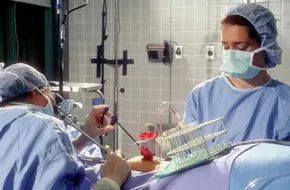
Egg collection happens 34 to 36 hours after that hCG injection. The donor is under anesthesia. An ultrasound-guided needle retrieves the eggs. It’s quick. But the medical prep for both women has been extensive.
The harvested eggs meet sperm in a lab. This could be from a donor or the recipient’s partner. After a few days of incubation, two to four embryos are placed in the recipient’s uterus. A thin tube goes through the cervix. This is in vitro fertilization (IVF). If there are leftover embryos, they legally belong to the recipient. They can be frozen via cryopreservation for a future attempt.
Weighing the Risks
Is it safe? Not entirely. The medications cause side effects. Hot flashes. Mood swings. Breast tenderness. The bigger worry is ovarian hyperstimulation syndrome (OHSS). It causes fluid retention and swollen ovaries. Mild cases bring abdominal pain. Severe cases can lead to life-threatening blood clots.
However, with careful monitoring, the risk of severe OHSS is less than one percent. Long-term risks remain unclear. Researchers are still studying links between fertility drugs and increased ovarian cancer risk. It’s a risk many donors accept, but it’s real.
Regulation and Compensation
Rules have tightened. The FDA’s “Good Tissue Practices” require clinics to test for infectious diseases and keep accurate records. The American Society for Reproductive Medicine (ASRM) sets limits on pay. They say compensating donors more than $10,000 is unreasonable. It risks coercion. Their recommendation? No more than $5,000.
It’s a regulated, expensive, and physically demanding process. But for many, it’s the only path to parenthood. The medical details are complex. The emotional stakes are higher. You go in knowing the science, but you stay for the hope.
“The timing of the hCG injection is crucial to successful egg retrieval.”
For those navigating this space, understanding the medical timeline is just the start. The emotional journey often lasts much longer than the physical one. Where do you draw the line between medical necessity and personal risk? The answers vary.