



Sweet. Salty. Unexpected.
That’s the vibe.
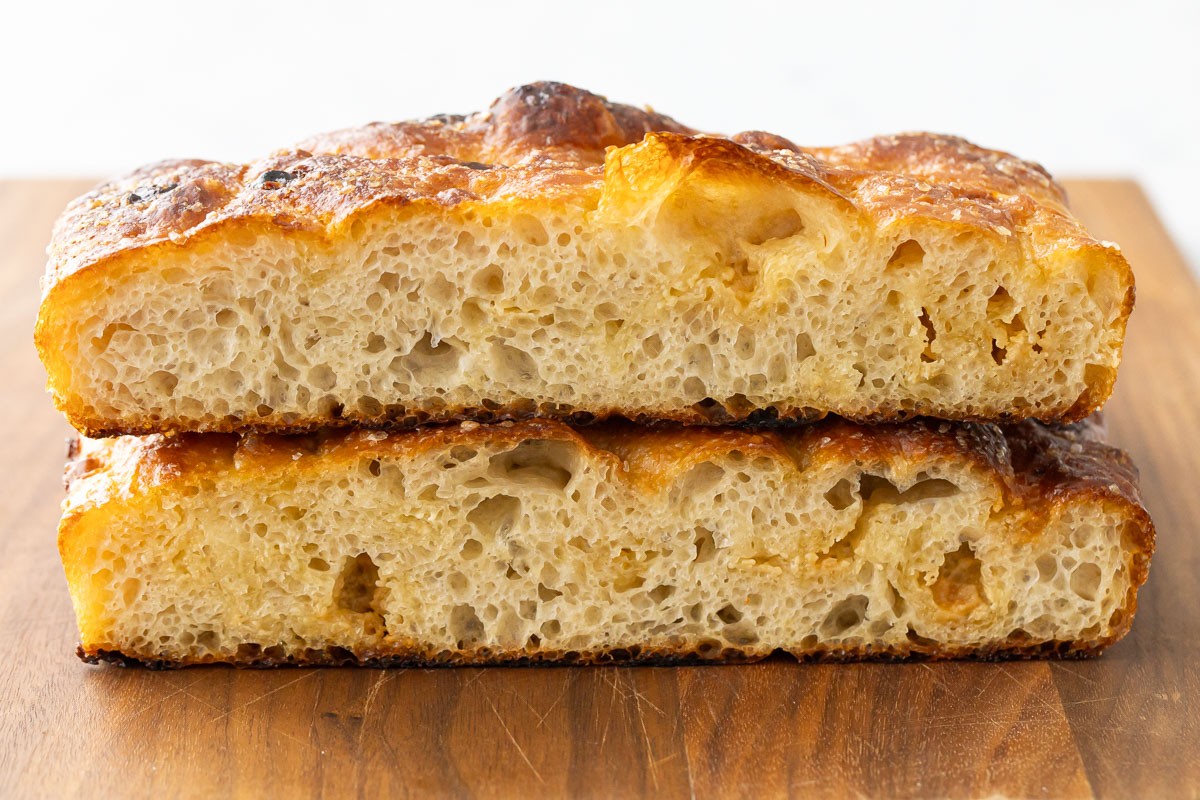
This isn’t your average dimpled flatbread. We’re talking tender crumb, a crust that shatters under pressure, and pockets of molten white chocolate hiding inside. It sounds complicated. It isn’t. The hard part? Patience. This bread demands three days from you. The hands-on labor? Forty-five minutes total. Spread out.
It’s a throwback, really. Me and my sister had this white chocolate loaf at Club Med back in the nineties. Flavor memories stick, right? You forget most of the trip, but the taste? That stays wired into your brain. I baked a standard loaf version of it years ago. Forgot about it. Then my sister—Robs—decided to get serious about sourdough. Late to the party, she knows. She started making loaves studded with white chips.
Yum.
I’ve been on a focaccia kick lately. It’s the lazy person’s sourdough. No scoring. No worrying if it’s over-proofed by ten minutes. Just slap it in the pan and let it breathe. I’ve baked over a dozen in months. Mostly boring stuff. Dried fennel seeds are my go-to. A nod to a college date-night spot. But this time? We went for gold.
“More time = more flavor (but not necessarily more work!)”
Here is how the timeline breaks down, assuming you want dinner Sunday. Start Friday. Shape Saturday. Bake Sunday.
The 48-Hour Game
Is it a two-day or three-day recipe? Technically forty-eight hours from mix to meal. But since most humans sleep between midnight and sunrise, you’re touching the dough on three separate days. Timey-wimey nonsense.
Day one is pre-ferment. Or poolish. It’s just flour, water, yeast, and time. Let it sit overnight. The yeast does the heavy lifting while you’re asleep. Complex flavor happens. If you have sourdough starter? Use it. Ten grams. Just swap out the instant yeast. Don’t bother waking up a fridge-sleeping starter first. Just toss it in. It works.
If your starter is already bubbly and active? Skip the pre-ferment wait. Jump to Day Two.
Day two is the main event. You have two hours. You won’t use all of it. Mix. Do three sets of stretch-and-folds. Done. Fridge it again.
Day three. Shaping. Dimpling. Baking. Eating.
Instant vs. Sourdough
Why complicate it? Why not just use sourdough all the way?
I baked two loaves side-by-side. Same ingredients. One got a dusting of instant yeast in the pre-fe. The other got the starter.
Visually? Twins. Maybe the sourdough had one or two bigger bubbles. If you’re counting bubbles for a living, sure. For everyone else? Irrelevant.
Flavor? Hard to pin down. Sourdough is… more complex? Vague, I know. I’ve been writing food reviews for nearly two decades, and still stuck there. More sour? Yes. That tang cuts through the white chocolate sweetness. But the instant yeast version wasn’t losing. The long fermentation gave it a yeasty depth that mimics sourdough pretty well.
The only real difference? Texture. Instant yeast bread was softer. Tender. Sourdough held a stronger structure, a thicker crust. Both were winners.
Ingredients Matter (Really)
White chocolate is the hero. Do not cheap out.
If you buy white chips, check the label. If the first ingredient is “hydrogenated oils,” toss the bag. Those don’t melt. They just sit there like hard little beads of disappointment.
You need real white chocolate. Cacao butter first on the list. It melts. It caramelizes in the high oven heat. It melds into the bread. That’s what creates those magical molten pockets.
“White baking chips… aren’t really going to melt much.”
Flour blends help, too. Bread flour or 00 for the gluten. Semolina rimacinata (finely milled) for texture. If you only have bread flour, double up. Swap the semolina weight for more bread flour. By weight, not volume. Semolina is heavy. Don’t eyeball it.
Yeast note: Instant yeast (SAF red packet) is easy. Dump it in. If you only have Active Dry Yeast? Proof it first. Mix with lukewarm water. Wait five minutes. If it doesn’t foam, your yeast is dead. Buy new yeast. Instant doesn’t need the baby bath. It just works.
For a savory version? Leave the chocolate and the turbinado sugar out. Halve the honey. Throw in whatever you want. Rosemary? Olive oil pools? It’s flexible. It forgives mistakes.
Baking Tips
Line your pan with parchment. Please. Butter the pan too, but parchment is the safety net.
Want huge bubbles? Let the dough rise overnight in the baking pan, not a bowl. Cold slows the rise, but the gluten relaxes differently. Stretch it gently. Let it come to room temp before dimpling.
Don’t wrap this up with a bow. This bread is messy. It’s sticky. It takes three days to appreciate. But that first bite, salt crust snapping over sweet chocolate heart? Worth the wait.