



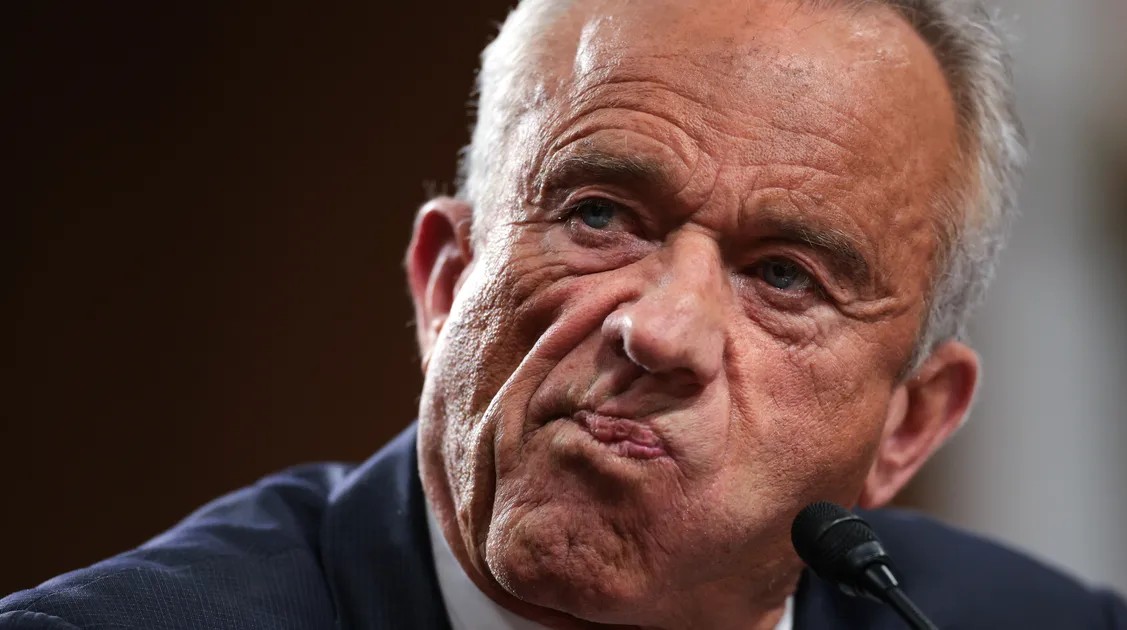
Health and Human Services Secretary Robert F. Kennedy Jr. has abruptly withdrawn a proposed federal rule that would have banned minors from using indoor tanning beds. The move, finalized in March, signals a significant shift in federal health policy and has drawn sharp criticism from medical experts who warn it undermines decades of public health progress.
A Step Backward for Youth Health
The withdrawn regulation, originally proposed by the Food and Drug Administration (FDA) in 2015, aimed to prohibit individuals under 18 from accessing tanning salons. It also required adults to sign waivers acknowledging the severe health risks associated with ultraviolet (UV) radiation exposure, including skin cancer, severe burns, and premature aging.
While several states—including California, Illinois, Minnesota, and Washington, D.C.—already enforce bans on minor tanning, and others like Kentucky and Michigan require parental consent, the federal withdrawal removes a critical layer of national protection.
Why this matters:
The reversal is particularly concerning because it aligns with a growing cultural trend that downplays the dangers of UV exposure. Kennedy, who has been seen frequenting tanning salons in Washington, D.C., has previously criticized what he terms the government’s “aggressive suppression of sunshine.” While the FDA’s notice clarified that the decision does not deny the link between UV radiation and skin cancer, the timing coincides with the rise of Kennedy’s “Make America Healthy Again” (MAHA) movement, which increasingly promotes natural sun exposure over sunscreen use.
The Myth of the “Solar Callus”
A central pillar of the anti-sunscreen narrative gaining traction on social media platforms like TikTok is the concept of a “solar callus” or “sun tolerance.” Proponents argue that gradual exposure to sunlight builds a protective base tan, rendering sunscreen unnecessary.
Dermatologists reject this notion entirely. A tan is not a shield; it is evidence of DNA damage.
“A tan is your skin telling you it has been injured. It is a damage response, not a shield,” explains Danilo C. Del Campo, a dermatologist at Chicago Skin Clinic. “‘Solar callus’ is a made-up, non-medical term… essentially a marketing phrase that has taken on a life of its own through social media.”
The Science Behind the Danger
The medical consensus is clear: UV radiation is a known carcinogen, classified in the same category as tobacco and asbestos. Tanning beds emit UV radiation 5 to 15 times more concentrated than the midday sun.
- DNA Damage: Intense UV exposure directly damages skin cell DNA, triggering mutations that can lead to uncontrolled cell growth and cancer.
- Ineffective Protection: Even a deep tan provides only an SPF equivalent of 3–4, offering negligible protection against further burning or long-term damage.
- UVA vs. UVB: Tanning beds primarily emit UVA rays, which penetrate deeper into the skin’s dermal layers—where melanomas originate—causing immediate pigment darkening without the warning signs of a burn.
A Crisis Among Young Adults
The withdrawal of the federal ban comes at a critical juncture. Skin cancer is the most common form of cancer in the United States, and melanoma rates are rising among young adults.
- Rising Risk: Using tanning beds before age 20 increases the risk of developing melanoma by nearly 50%.
- Higher Prevalence: A 2025 study found that melanoma rates among frequent tanning salon users were more than double (approx. 5%) compared to non-users (approx. 2%).
- Misinformation Epidemic: A 2025 survey by the American Academy of Dermatology revealed that nearly 60% of Gen Zers believe at least some tanning myths, such as the idea that a base tan prevents sunburn.
Anthony Rossi, a dermatologist and researcher at Memorial Sloan Kettering Cancer Center, describes the situation as a perfect storm of misinformation and deregulation. “We have a generation that’s already confused about sun safety, already backing away from sunscreen, and now we’ve removed a key federal guardrail that would have protected them,” Rossi said.
Conclusion
The FDA’s reversal of the teen tanning ban removes a vital protective measure for adolescents at a time when misinformation about sun safety is proliferating on social media. While individual states retain the authority to enforce their own restrictions, the federal retreat sends a confusing message to a generation already skeptical of medical advice. Dermatologists urge the public to distinguish between enjoying sunlight safely and exposing themselves to the concentrated, carcinogenic radiation of tanning beds.