





Diet culture isn’t just a trend in the U.S.; it’s a constant background hum. Almost everyone is on a diet, counting calories, or trying to optimize their intake in some way. You’ve seen the names: Atkins, Cabbage Soup, Grapefruit, Hollywood Miracle, Rice, Scarsdale, South Beach, Zone. They flood our conversations because the struggle is universal. But before we tackle how to lose weight, we have to understand why gaining it feels so effortless.
Your Body’s Surprising Efficiency
If you’re over thirty, you might feel like weight gain is inevitable. The culprit isn’t necessarily a lack of willpower. It’s biology. The human body is incredibly efficient. It doesn’t take much energy to keep the lights on, let alone to move.
When you are at rest—sitting on the couch, scrolling through your phone, watching TV—your body is still burning calories. It’s just doing a low-power version of what it does all day. On average, your body burns about 12 calories per pound of body weight every day just to exist. That’s roughly 26 calories per kilogram.
Let’s look at the math for a 150-pound person:
150 x 12 = 1,800 calories per day
This 1,800 figure is a baseline estimate. It covers the non-negotiables: keeping your heart beating, lungs breathing, organs functioning, and brain firing. It even keeps you warm. This is your basal metabolic rate in action. You aren’t “doing” anything, yet your body is working hard to sustain life.
But what happens when you move? You might think exercise burns a massive amount of calories, but your body is equally frugal there. Consider a marathon runner. Running 26 miles burns approximately 2,600 calories. That’s only about 100 calories per mile, or 62 calories per kilometer.
Think about that efficiency. Compare it to a car. A typical American car gets between 15 and 30 miles per gallon. A gallon of gas contains about 31,000 calories. If humans could drink gasoline instead of eating hamburgers, we could run 26 miles on just one-twelfth of a gallon (0.3 liters).
That makes us more efficient than a car. We’d get over 300 miles per gallon. Hop on a bicycle, and that number jumps to over 1,000 miles per gallon.
This extreme efficiency explains why gaining weight is so easy. You can accumulate a surplus of energy with minimal effort. Losing it requires fighting against a system designed to conserve every single calorie.
Taking Calories In
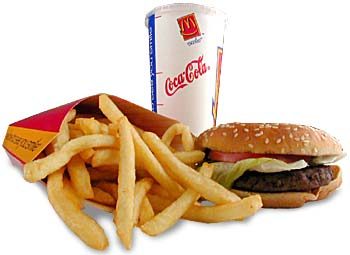
Why Your Daily Calorie Budget Vanishes in One Takeout Order
The baseline metabolic requirement for a sedentary adult hovers around 1,800 calories per day. That number feels abstract until you visualize it on a plate. It is not a vast reservoir. It is a tight budget. And fast food spends it like it is going out of style.
Consider a standard stop at a local McDonald’s. The Big Xtra meal promises convenience. It delivers a sandwich, large fries, and a large Coke. The math here is brutal. The sandwich alone carries 710 calories. The fries add 540. The drink? 310.
Add them up. You have consumed 1,560 calories before you have even finished chewing. That is 86% of your entire daily energy allowance gone in thirty minutes. If you are prone to dessert, an M&M McFlurry tacks on another 630 calories. Suddenly, you are sitting at 2,200 calories. You have overshot your daily limit before noon. You are already in debt to your metabolism.
Pizza Hut presents a different trap, but the result is the same. A single slice of Meat Lover’s Pan Pizza holds 360 calories. Eat three slices. Add a large drink. The total hits 1,390 calories. You are within 410 calories of your full daily intake. Just three pieces of pizza. One drink. You have used up almost your entire day’s energy reserve in a single sitting.
The problem isn’t that food is bad. It is that portion sizes and calorie density have shifted. We often view these meals as occasional treats. But when a single lunch or dinner consumes nearly your entire daily fuel tank, there is no room left for snacks, breakfast, or even a second helping of vegetables.
Where does this leave you? You are forced to restrict the rest of your day severely, or you carry the excess energy as stored fat. The visual of these numbers is jarring. A Big Xtra meal is more than half your daily needs. A few slices of pizza are nearly all of them.
“You are already consuming almost 2,200 calories just at this one meal!”
It forces a reevaluation of what we consider a “normal” meal. Is it normal to consume 80% of your daily energy in one go? Probably not. But it is common. And understanding the sheer volume of calories in these popular items is the first step toward making choices that don’t leave you overfed and under-nourished.
The calorie counts come directly from McDonald’s USA Nutrition Facts and the Pizza Hut Nutrition Guide. They are not estimates. They are facts. And they add up fast.
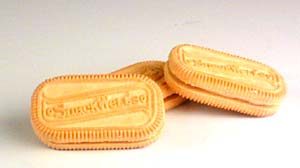
The Calorie Trap in a Convenience Culture
Let’s be real about SnackWell’s. If you sit down and eat twelve of those Creme Sandwich Cookies, which honestly isn’t that hard to do when they’re sitting right there on the counter, you’ve just logged 660 calories. That’s over a third of what you should eat in an entire day.
I’m not trying to villainize these products. I have two kids. I go to McDonald’s at least once a week. Sometimes you need the convenience. The point is simpler and more frustrating: in America, and most developed nations, accessing calories is pathologically easy. We live in a world where excess energy is the default setting.
What a “Normal” Day Looks Like
Most of us are over-worked. Over-booked. Over-extended. When you’re running on fumes, convenient food wins every time. Consider a typical daily menu for someone just trying to get through the hours:
- Breakfast: Two Pop-Tarts
- Lunch: Pizza Hut
- Afternoon Snack: A pack of SnackWell’s and a cola
- Dinner: McDonald’s
- Evening: Potato chips while watching TV
You can see how the numbers climb. 3,000 calories? 4,000? Maybe 5,000? It happens without any conscious decision to overeat. It just accumulates.
Your body is an efficient storage engine. It doesn’t like waste. If you have excess calories, it converts them to fat and stores them for a rainy day. The math is brutal in its simplicity: it takes just 3,500 excess calories to add one pound of body fat.
If you eat 500 extra calories a day—say, one ice cream cone and a few cookies—you gain a pound of fat every week. 500 calories times seven days equals 3,500. Weight gain is effortless in this society because food is just too easy to find.
The Mechanics of Weight Loss
Imagine you’re carrying extra pounds. You want to lose them. To drop one pound of fat, you need to burn off 3,500 calories. You must create a deficit. You have to consume fewer calories than your body burns over time.
Let’s look at the numbers for a 150-pound person. At rest, your body needs about 1,800 calories a day (roughly 12 calories per pound) just to keep the heart beating and lungs breathing. How do you create a deficit? Here are four ways, ranging from insane to practical:
- The Bed Method: Lie in bed and eat nothing. You burn 1,800 calories. You take in zero. You create a 1,800-calorie deficit daily. You’d lose a pound every two days. This is unsustainable and unhealthy.
- Diet Only: Eat 1,500 calories a day instead of 1,800. That’s a 300-calorie daily deficit. It takes about 12 days to burn off that 3,500 calories and lose a pound.
- Exercise Only: Eat your normal 1,800 calories. Jog two miles (3.2 km) daily. That burns about 200 calories. It takes 18 days to lose a pound.
- The Marathon Approach: Eat 2,500 calories. Run ten miles a day. You burn 1,800 at rest plus 1,000 running. Total burn: 2,800. You’re still in a 300-calorie deficit. You lose a pound every 12 days.
The takeaway is rigid: you must consume fewer calories per day than your body needs. Period. Whether you restrict intake, increase movement, or do a mix of both, the math is the same. Every 3,500-calorie deficit equals one pound of fat loss.
Most commercial diets—from Weight Watchers to the grapefruit plan—are just clever tools to help you lower that daily intake. That’s their only job.
Why Diets Fail (The Sustainability Problem)
Most diets don’t work long-term because they aren’t sustainable. You gain weight because you consistently eat more than you burn. A diet creates a temporary deficit. When you stop the diet, you return to your old habits, and the weight returns.
Let’s look at the slow creep of weight gain. Say you weigh 150 pounds. You burn 1,800 calories at rest. Living your life—walking up stairs, carrying groceries—burns another 200. Your total daily need is 2,000 calories.
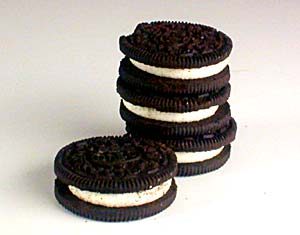
Now, imagine you’re eating 2,050 calories a day. You’re only over-consuming by 50 calories. It sounds negligible. One Oreo-type cookie is 50 calories. You could eat that and not even think about it.
But here is the trap: that 50-calorie surplus compounds. 3,500 calories (one pound) divided by 50 extra calories per day equals 70 days. You gain one pound every two months and a bit. Keep that up for a year, and you’ve added five pounds.
This is the pattern for a huge portion of the U.S. population. We aren’t bingeing. We’re just letting small, easy excesses add up. Over-consuming is incredibly easy. Under-consuming requires constant vigilance. Which is why the scale often feels like it’s working against us, even when we’re trying.
Picture this. You’re starving yourself on the so-called “Get Slim Miracle Diet.” The menu is simple, boring, and frankly, terrifying. Brown rice. Vienna sausages. Onions. That’s it. Two cups of rice and a can of sausages a day, plus as many onions as you can handle. You’re looking at roughly 1,000 calories. Add in jogging two miles daily to burn off the rest. You’re creating a deficit of about 1,200 calories a day.
The math looks tempting. 3,500 calories equals a pound of fat. So, every three days, that number drops. You stick to it for two months. Twenty pounds vanish. You feel like a genius.
But then comes the day you stop. The miracle ends.
What happens next? You are hungry. Actually, you are starving. After two months of rice and sausages, your body is begging for variety. You eat. And then you eat more. You slide back into the eating habits you had before the diet ever started. The weight returns. All of it. Maybe even more.
This is the trap. Diets don’t work because they aren’t lifestyles. They are temporary punishments. You lose the weight, then you quit, and you gain it back. The cycle repeats. What you actually need isn’t a diet. You need a sustainable approach. A way to eat and move that fits into your actual life, not a fantasy version of it.
Building a Sustainable Diet
So how do you break the cycle? How do you lose the weight without losing your mind?
First, stop thinking in terms of “dieting.” A diet implies an end date. Sustainability has no end date. It’s just how you live.
Focus on Normal Foods
You don’t need Vienna sausages. You need food that tastes good. Food that makes you happy. If your plan involves eating something you hate, you will quit. It’s that simple. A sustainable plan includes the foods you already like, just in the right amounts.
Create a Manageable Deficit
Losing a pound every three days is aggressive. It’s also stressful. Aim for something slower. Less than 1,000 calories a day is dangerous. It slows your metabolism. It makes you hangry. Aim for a moderate deficit. Enough to lose weight, but not enough to make you miserable.
Move Your Body, Don’t Punish It
Jogging two miles a day is fine if you like jogging. But if you hate it, you won’t keep doing it. Find movement that doesn’t feel like a chore. Walk. Dance. Garden. Lift weights. The best exercise is the one you’ll actually do consistently.
Plan for Slip-Ups
You will have bad days. You will eat too much. It’s okay. One bad day doesn’t ruin your progress. It’s what you do the next day that matters. Don’t spiral. Don’t quit. Just get back on track.
Listen to Your Body
Hungry? Eat. Full? Stop. Bored? Go for a walk. Learn to distinguish between physical hunger and emotional hunger. This isn’t about willpower. It’s about awareness.
A sustainable diet isn’t
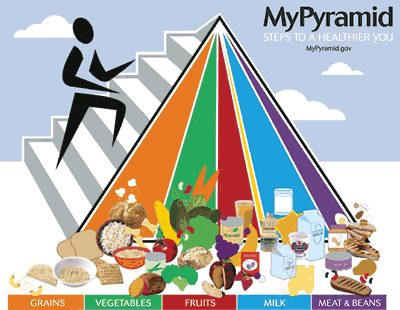
The Math of Maintenance
You can’t out-train a bad diet. It’s a cliché because it’s true. We live in a world saturated with calories, and exercise is expensive in terms of time and energy. If you want to keep your weight steady, you need a plan that actually sticks. Not a crash diet. A system.
Start by waking up to your intake. Most of us have no idea what we’re actually putting in our mouths. We guess. We approximate. It’s easier to just eat. But you need to know exactly how many calories you eat on a “normal” day. You need to build a mental database of calorie counts. Next time you’re at the grocery store, look at the label. It’s there. It’s the law. Chain restaurants post it online or in-store. Use it.
Finding Your Number
Once you know what you’re eating, you need to know what you can eat. There’s a rough rule of thumb: 12 calories per pound of body weight. It’s not precise, but it’s a starting point. Pick your ideal weight. The one that feels right. Calculate the daily intake to maintain it.
Now, compare the two numbers.
It’s often jarring to see the gap between what you consume and what you need. That gap is where the extra pounds hide. They aren’t hiding; they’re just uncounted.
Step four is brutal in its simplicity: make the numbers match. You might think 1,600 or 2,000 calories is a lot. Try living on it for a week. You have to watch everything. Every sip. Every bite. It’s not about restriction for restriction’s sake. It’s about awareness.
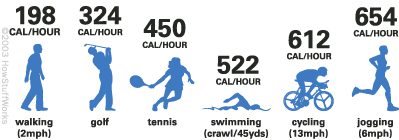
If you want more wiggle room, add movement. An online exercise calculator can show you how many calories different activities burn. Burning an extra 250 to 500 calories a day shifts the equation. It gives you a buffer. But don’t treat exercise as a license to overeat. Treat it as a multiplier.
Cutting the Noise
Reducing intake doesn’t have to mean starving. It means making smarter choices. Here’s how to trim the fat without losing your mind:
-
Track everything. Keep an index card in your pocket. Write down what you eat and drink. Real-time logging stops you from mindlessly snacking. You can’t manage what you don’t measure.
-
Ditch the myths. We’ve been fed a lot of nutritional nonsense. Stop letting outdated rules dictate your hunger.
-
Drink water. Liquid calories are the silent killer of weight loss efforts. Cola, juice, beer—they add up fast and don’t trigger satiety signals. Drink 10 ounces of orange juice and you’re looking at 140 calories. But your brain doesn’t register it. Eat the orange instead. You get the fiber. You get the chewing. You get full. The juice gives you sugar. The fruit gives you satisfaction.
-
Cut the white sugar. It’s an easy win. Remove cookies, cake, ice cream, candy, and soda. You’re not just cutting calories; you’re removing entire categories of addictive, low-nutrient snacks.
-
Skip the fryer. Fried foods are calorie bombs for their size. Potato chips, french fries, onion rings, donuts, fried chicken. The oil adds massive density. Remove sugar and fried foods, and half the grocery store aisle becomes irrelevant to you.
-
Choose low-density foods. A cookie is high-density. Two bites and you’ve consumed 100 calories. You’re still hungry. A banana is low-density. It takes effort to eat. You get 100 calories, but you also get volume. Your stomach stretches. Your brain registers fullness.
Food is fuel, but it’s also psychology. If you eat a banana, you feel like you’ve done something. If you drink juice, you’ve done nothing but add fuel. The body knows the difference.
The goal isn’t perfection. It’s consistency. And consistency starts with knowing what’s on your plate.

Food Volume and Calorie Density
Think of your stomach like a balloon. You can fill it with a few heavy stones or a lot of feathers. The weight is different, but the volume matters for your hunger signals.
Consider this simple math. A dozen Oreo-style cookies or SnackWell’s packs? That’s roughly 600 calories. Easy. Most people could knock those back without a second thought. Now try eating six bananas in one go. Same calorie count. Try it. You’d feel like you’re about to burst.
Bananas are low-calorie density foods. They take up space. They trigger fullness. You eat more volume for fewer calories. This is the cheat code.
Look for foods that offer high volume but low energy density. These keep you satisfied without packing on the pounds.
- Natural fruits and vegetables : If it grew in the ground, it’s likely a good choice.
- Unsweetened cereals : Shredded wheat works. Avoid the sugary kinds.
- Rice cakes : Light and crunchy.
- Unbuttered popcorn : Air-popped. No heavy cream.
- Whole-grain bread : Look for high fiber content.
- Brown rice : Chewy and filling.
Conversely, avoid high-density foods. These pack calories into small spaces. Sugar and fat are the usual suspects. Nuts are healthy but calorie-dense. Candy, cookies, crackers, chips, fried foods, cola, and beer all fall into this trap. They slip past your satiety sensors. You eat a lot of calories without feeling full.
There is also a psychological trick. Ditch the baggy sweats. Wear form-fitting clothes instead. Tight fabric acts as a subliminal reminder of your goals. When your shirt hugs your waist, you’re less likely to overeat.
Follow these rules. Keep calories consumed below calories burned. You will lose fat. You will maintain a steady weight. It’s that straightforward.
Making Movement Non-Negotiable
Exercise isn’t just about burning calories in the moment. It’s about raising your daily metabolic rate. You can use online calculators to see exactly how many calories specific activities burn. Knowing the numbers helps.
But the real win? Integrating movement into your life so it’s not a chore.
Find what you tolerate
You don’t have to love the gym. You just need to do something for 30 to 60 minutes daily. Walking works. Riding a stationary bike while watching TV works. Sneaking in a lunchtime gym session works. Consistency beats intensity.
Micro-exercises add up
Stop taking the elevator. Take the stairs. Park at the back of the lot. These small choices accumulate. They add minutes to your day. They add up to significant calorie burns over weeks.
Desk weights
Keep a set of light weights by your desk. Use them three or four times a day. Lift while you think. Lift while you’re on the phone. It breaks up the sedentary stretch.
Get a partner
Exercise is harder when you’re alone. Find someone to talk to while you move. A partner provides accountability. It turns exercise into a routine rather than a task you keep postponing.
Try to move every single day. It’s easier to remember a habit when it’s woven into your daily rhythm. Skip a day, and the momentum breaks. Keep the streak alive.
The Hard Truth About Calorie Math
Let’s cut through the noise. There are dozens of weight-loss myths designed to derail you, and unfortunately, many of them feel good to believe because they promise an escape from the work. But if you want to understand how to lose weight effectively without falling for traps, you need to look at the cold, hard physics of energy balance.
The first myth to discard is the idea that some calories are “better” or “different” than others in terms of basic energy. A calorie is a calorie. If you eat 1,000 grams of white sugar, you have consumed 4,000 calories. If you eat 444 grams of pure fat, you have also consumed 4,000 calories. The body registers the energy input. While the metabolic pathways might differ slightly in complex biological studies, the fundamental rule for weight change remains: energy in versus energy out. Don’t get seduced by brands claiming their specific macronutrient blend is a magic loophole. It isn’t.
Then there is the low-fat fallacy. You can’t just eat as much as you want if the label says “fat-free.” Many processed low-fat products replace fat with sugar to maintain texture and taste. The result? A product with zero grams of fat but just as many, or often more, calories than its full-fat counterpart. You are trading a nutrient-dense food for one that spikes insulin and leaves you hungry again an hour later. It’s a trap disguised as health.
No Shortcuts, No Magic Rings
You might have seen those passive devices. The acupressure rings, the slimming bracelets, the detox soaps that claim to “sweat out toxins” or “boost metabolism.” Here is the reality check: there is no way to burn calories passively. You have to burn them. Your body does not burn significant energy because a rubber band is squeezing your wrist or a soap is touching your skin. If it sounds too good to be true, it is mathematically impossible.
This leads us to the most dangerous myth of all: the promise of rapid, drastic results. You have seen the ads. I LOST 54 POUNDS IN 6 WEEKS WITHOUT DIETS OR EXERCISE!!! Or LOSE 10 POUNDS THIS WEEKEND! Let’s do the math, because the ads are lying to you.
To lose 54 pounds of actual fat in six weeks, you would need to lose roughly 9 pounds per week, or 1.3 pounds per day. Since one pound of fat is approximately 3,500 calories, losing 1.3 pounds means creating a deficit of 4,500 calories every single day. How do you burn 4,500 calories? You would have to eat nothing at all AND run a marathon (26.2 miles) every day for 42 days straight. That is not a lifestyle; that is a medical emergency. The only ways to lose that much weight that quickly are severe dehydration or amputation. Neither is sustainable or desirable.
The Myth of the “Enzyme-Driven Cycle”
Another layer of deception involves supplements and superfoods claiming to trigger an “enzyme-driven fat-burning cycle” that burns calories 24 hours a day. Whether it’s nettle seeds, apple pectin, or some obscure berry extract, the promise is always the same: eat this, and your body will automatically incinerate fat while you sleep.
No. It doesn’t work that way. Your metabolism is not a magic engine that can be jump-started by a pill or a seed. It is a complex system regulated by your hormones, muscle mass, and activity level. If a product promised a shortcut here, it would be disrupting your entire endocrine system. The fact that these products don’t cause immediate harm to most people is the only reason they aren’t banned sooner. They are inert. Or worse, they are just expensive urine.
What Actually Works
So, if the shortcuts are lies and the passive devices are scams, what is left? It comes down to a simple, albeit difficult, equation. You have to eat fewer calories than you burn in a day.
You can achieve this deficit by eating less, moving more, or a combination of both. It is true that people are different. Some of us have faster metabolisms, just as some of us are taller than others or lose our hair faster. Some people have to use the restroom more frequently; some burn calories differently. You need to find the number of calories your specific body burns in a day and consume fewer than that number.
It sounds straightforward. It is not. The psychology of food is powerful. Hunger is not just a signal; it is an emotion. Cravings are neurological. The mental game of resisting immediate gratification for long-term health is where most people fail. But once you accept that there are no secrets, no hidden enzymes, and no magic rings, you can focus on the only thing that actually works: consistent, sustainable calorie management.
It’s not easy. But at least it’s honest.
Where to Go From Here
If you are ready to dig deeper into the mechanics of your body and your health, look into how these fundamental processes work. Understanding the machinery helps you respect it.
Explore the Science:
– How Calories Work
– How Fat Cells Work
– How Fats Work
– How Food Works
– How Exercise Works
– Does drinking ice water burn calories?
– How do I burn calories on a stair machine?
Practical Tools & Quizzes:
– Ultimate Calorie Burning