




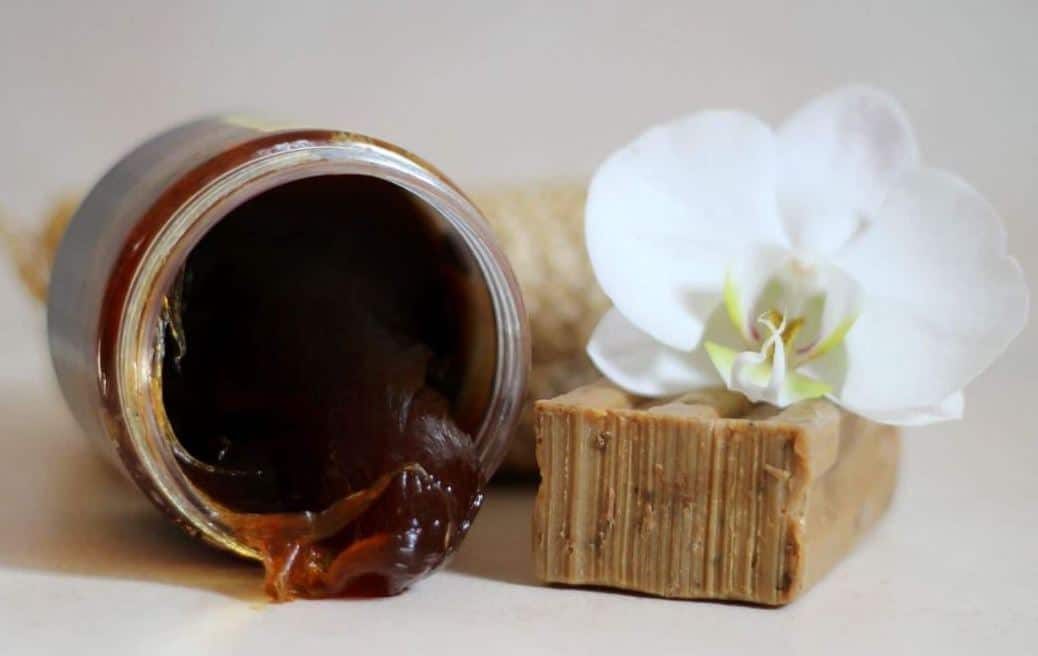
Most people know black soap from the steamy confines of a hammam, but that’s only half the story. It is a powerhouse for the face, too. You might have heard it called “savon mou” or Beldi soap. The name sounds intense. The texture is thick. But the effect is gentle.
This isn’t your typical bar of soap. It doesn’t strip your skin raw. Instead, it nourishes.
The base is simple. Olive oil. Macerated black olives. Potash. Water. That’s it. No synthetic foaming agents. No harsh detergents. This blend has been used for centuries in North African baths to exfoliate and soften the epidermis. But modern science backs up the tradition. The soap contains potent antioxidants and antibacterial properties.
Why Black Soap Works for Acne and Eczema
If you are struggling with breakouts, this could be your new ally. The antibacterial nature helps fight the bacteria that cause acne. The antioxidants fight free radicals. It purifies without drying you out.
For those with sensitive skin conditions like eczema or psoriasis, it offers relief. Traditional use suggests it soothes irritation. It cleanses deeply while keeping moisture intact. That is a rare combination.
Many wonder how to use black soap on the face effectively. It requires a slightly different technique than washing with a foaming gel. You need to let it work.
How to Apply Black Soap to Your Face
The process is straightforward. Start with warm water. Heat opens pores. That is key.
- Wet your face. Use warm water to soften the skin.
- Apply the soap. Take a small amount. It is concentrated. Rub it between your hands or directly onto damp skin.
- Massage gently. Work it in circular motions. Focus on areas prone to congestion. The texture is thick, so it may feel unusual at first.
- Let it sit. This is the most important step. Leave it on for a few minutes. Let the olive oil and potash penetrate. You are not rinsing immediately.
- Rinse with cool water. Close the pores. Pat dry. Do not rub.
The Aftercare Routine
Your skin will feel different after this. Smooth. Clean. Not tight. That tight feeling is a sign of over-cleansing. You want to avoid that.
Follow up with a moisturizer. Even if you have oily skin, you need hydration. The black soap clears the path. Your moisturizer fills the space.
Where to Find Genuine Black Soap
Not all products labeled “black soap” are created equal. The traditional version relies on olive oil and potash. Check the ingredient list. If you see sodium tallowate or sodium palmate as the first ingredients, you are looking at a standard soap with black dye. That is not what you want for facial care.
Look for pure formulations. Brands from Morocco and Tunisia are the most authentic. They often label it as “savon noir Beldi.” You can find these in health food stores or online. Reading reviews helps. Look for mentions of texture and scent. Authentic black soap has an earthy, olive-like smell.
Finding the right black soap for face care doesn’t require a PhD in chemistry. It just requires a trip to a natural food store, a hammam, or a trusted online retailer. The goal is simple: find a bar that isn’t hiding behind synthetic additives or heavy fragrances. If the ingredient list looks like a chemistry experiment, put it back. You want neutrality. You want purity.
Once you have that high-quality base, the real work begins. It’s not just about washing your face; it’s about crafting treatments that actually do something.
Creating Your Daily Cleanser
You don’t need fancy equipment to make a gentle cleanser. The process is almost too simple.
Take a small amount of soft black soap. Add warm water. Mix until you get that rich, creamy lather. Apply it to your face. Rinse with warm water. That’s it. It’s clean, it’s simple, and it respects your skin barrier. No foaming agents from a factory. Just soap and water.
The Black Soap Hydrating Mask
Here is where things get interesting. Black soap is naturally hydrating and mild. This makes it an unexpected candidate for a mask. Most people reach for clay or charcoal, but soft black soap offers a different kind of nourishment.
To make this mask, you need three things: the soap, tap water, and argan oil. Mix them into a paste. Apply it thickly to damp skin. Why thick? Because you want coverage. You want it to sit there.
Let it work for ten minutes.
Rinse with clear water. Follow up with a moisturizer to lock in the hydration. The result is skin that feels calm, not stripped.
The Express Exfoliation Routine
Scrubbing your face raw isn’t beauty. It’s damage. But exfoliation is necessary to remove dead cells and brighten your complexion. Women in Eastern cultures have used soft black soap for this for centuries. It’s an old trick for a reason.
You can create a quick scrub at home.
- Mix black soap with sugar. The sugar acts as the physical exfoliant.
- Wet your face with warm water.
- Apply the mixture generously.
- Let it sit for about five minutes. This gives the soap time to soften the skin before you start rubbing.
- Gently massage with your fingertips.
- Use a coarse glove (kessa glove) to buff away the dead cells and bring blood flow to the surface.
- Rinse clearly.
- Pat dry. Do not rub.
The skin should feel incredibly soft. Not tight. Soft.
Using Black Soap as an Anti-Wrinkle Treatment
It sounds counterintuitive. Soap dries things out, right? Not black soap. It’s packed with vitamin E and antioxidants. These are the heavy hitters for preventing the visible signs of aging. When used daily, it treats the skin deeply, stopping wrinkles before they become deep lines.
The method is straightforward.
- Wet your face in the morning.
- Apply a small amount of black soap.
- Massage in small circular motions with your fingertips. This motion helps lift the product into the pores.
- Rinse with clear water.
- Seal it with a protective oil.
Choose your oil wisely. Sweet almond oil, sesame oil, or rosehip oil all work. Rosehip is particularly good for its regenerative properties. The choice is yours.
Clearing Imperfections and the T-Zone
If you struggle with breakouts, black soap is a powerful ally. It’s loaded with essential fatty acids and vitamins. More importantly, it has antiseptic properties. It kills bacteria. It oxidizes impurities. It cleanses.
Focus on your T-zone. That’s your forehead, nose, and chin. This is where the sebaceous glands are most active. They produce the oil that clogs pores.
To treat this area, dilute the soft soap in warm water to create a washable paste. Apply it specifically to the T-zone. Let it sit for two minutes. That’s enough time for the antiseptic agents to work without irritating the skin. Rinse with clear water. You can repeat this process the next day if needed.
Erasing Brown Spots with a Natural Blend
Hyperpigmentation is stubborn. Sun damage, hormonal changes, or just age can leave dark spots that no amount of rubbing will fix. But a targeted mask can help fade them over time.
This recipe is potent.
- One tablespoon of soft black soap.
- One tablespoon of honey. Honey is antibacterial and healing.
- One tablespoon of argan oil.
- One tablespoon of lemon juice. Lemon is a natural bleaching agent.
Mix everything until you have a smooth, homogenous paste. Apply it only to the areas with dark spots. You don’t need to cover your whole face unless you want to.
Leave it on for thirty minutes. This is a longer exposure, so pay attention to your skin. If it stings, rinse immediately. Otherwise, rinse with water and pat dry with an absorbent towel.
The effect is often noticeable after a few uses. The skin tone becomes more even. The spots lighten. It’s not magic. It’s chemistry. And it’s available in your cabinet.