




Dynamic pricing—the practice of adjusting prices in real-time based on demand, timing, or consumer behavior—is no longer confined to ride-sharing apps or airline tickets. It has officially moved into the grocery aisles.
A recent study by Decodo, which analyzed 1.5 million data points across 120 e-commerce sites throughout 2025, reveals that major retailers are aggressively using this technology to fluctuate the costs of everyday essentials.
The Rise of Fluctuating Grocery Costs
While the term “dynamic pricing” often carries a negative connotation, the data suggests a complex relationship between retailers and price changes. The study found that price fluctuations aren’t always about making things more expensive; they are often used to move inventory.
Key findings from the retail giants include:
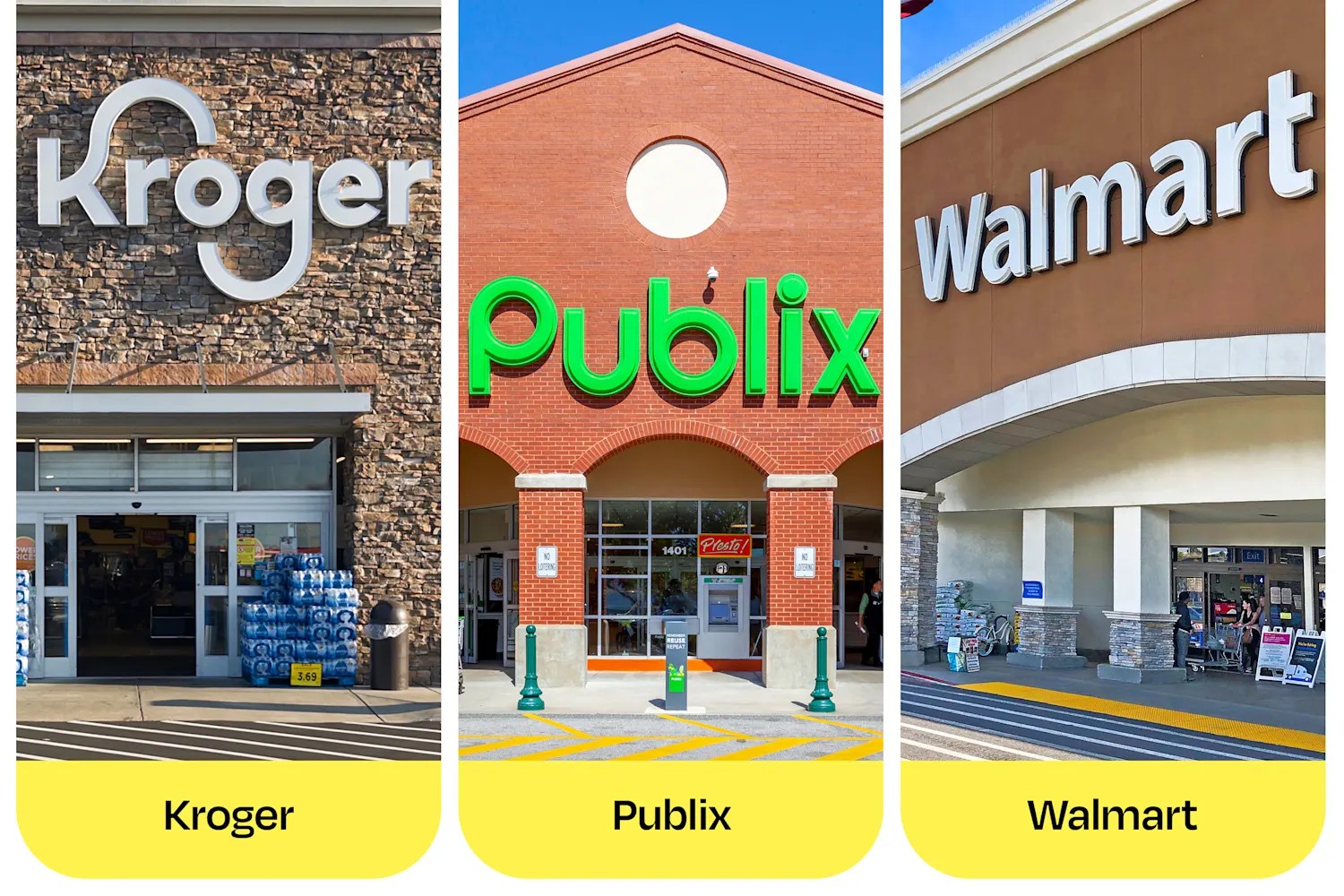
– Walmart, Target, and Publix: These retailers actually implemented price decreases more frequently than increases.
– Kroger and Lidl: While these stores increased prices more often than their competitors, they still lowered prices over 46% of the time.
This trend highlights a shift in retail strategy: rather than maintaining static prices, supermarkets are using algorithms to respond to market shifts, stock levels, and consumer trends in real-time.
Finding the “Golden Day” for Savings
If you want to maximize your budget, timing is everything. By tracking 1,500 specific products, the Decodo study identified the specific days of the week when prices typically hit their lowest points for major chains.
The results show that “best days” vary significantly depending on where you shop:
| Retailer | Best Day to Shop |
|---|---|
| Walmart | Monday |
| Kroger | Monday |
| Publix | Monday |
| Lidl | Wednesday |
| Target | Saturday |
The fact that Walmart, Kroger, and Publix all share Monday as their optimal day suggests a synchronized pattern in how these massive retailers manage their weekly inventory cycles and promotional resets.
A Global Trend: The U.S. Leads the Way
The study also highlighted a massive disparity in how different regions adopt these pricing technologies. The United States is currently a global leader in the implementation of dynamic pricing.
To put the scale into perspective:
– The U.S. recorded 542,946 individual price changes.
– Germany, the next closest country in the study, recorded only 81,554 changes.
This staggering difference suggests that American retail culture is much more heavily driven by algorithmic, high-frequency price adjustments than its European counterparts.
Why this matters: As grocery stores increasingly rely on automated pricing, the “sticker price” you see on Tuesday may not be the same price you see on Monday. Understanding these patterns allows consumers to move from being reactive shoppers to proactive ones.
Conclusion
Dynamic pricing is fundamentally changing the grocery shopping experience by making costs unpredictable. By tracking these algorithmic shifts, consumers can find significant savings simply by aligning their shopping trips with the specific days each retailer is most likely to lower prices.