



Stand up. Right now.
Seriously. While you read this, get off that chair.
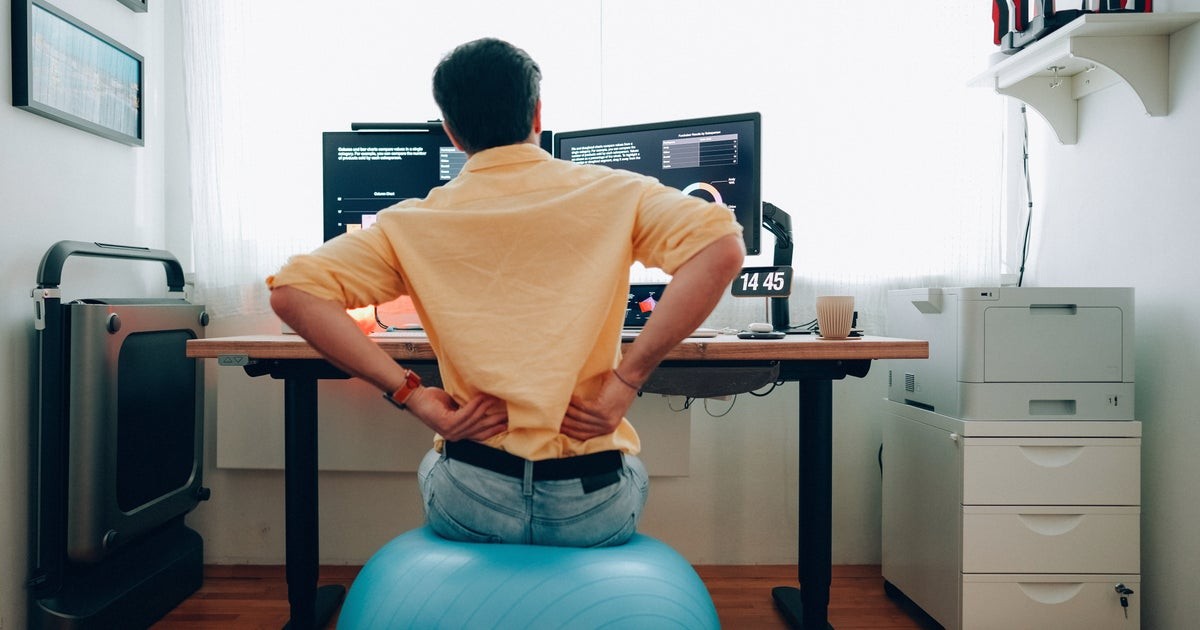
We know the drill about sitting too long. It wreck your posture, give you a stiff neck, and sure, it can lead to carpal tunnel. But there’s a quieter casualty in all that desk-bound misery.
It’s your glutes.
And no, this isn’t a joke about aesthetics. It’s about function.
Gluteal amnesia is the clinical term. “Dead butt syndrome” is what people actually call it.
The muscles in your buttocks—specifically the gluteus maximus, medius, and minimus—are literally going on strike. They’ve stopped working because, for most of the day, you aren’t asking them to do anything.
Arlen Ray, a physical therapy director at Hackensack Meridian, says it’s a lifestyle trap. You sit. Your hip flexors—the muscles in your front thighs that pull your leg up—stay shortened. Tight. Like a rubber band left in a clump.
Meanwhile, your glutes? They’re not being recruited.
Dr. Jennifer O’Connell calls it a passive shutdown. When you’re seated, the iliopsoas tightens up, and the gluteus medius grows weak from neglect.
Weakness leads to damage. That’s the chain reaction.
O’Connell sees patients with this issue every single day. And here’s the kicker: going to the gym doesn’t save you.
If you lift weights but ignore the posterior chain? You’re at risk.
If you sit at a desk but make a conscious effort to stand up every half-hour? You might be fine.
It comes down to activity, not just presence in a gym.
What Does “Dead Glutes” Feel Like?
Numbness is a big clue. Atingling that travels down your leg? That’s a warning sign.
Sometimes it’s just plain pain in the buttock—left side, right side, or both.
Kate Lombardo, a yoga director, says don’t underestimate the ripple effect.
The glutes are supposed to be a powerhouse for balance, stability, and posture. When they turn off, the body panics.
Compensation kicks in. Your lower back starts hurting. Your hips ache. Maybe even your knees or ankles start taking hits they weren’t designed for.
Basic tasks become difficult. Walking up stairs? Agonizing.
Standing up from a deep chair? A chore.
Lunges? Forget it.
Move Your Ass Around
Prevention is boring but necessary.
Sedentary people are at high risk. If you work a desk job, O’Connell recommends the 30-5 rule. Stand for at least five minutes for every half-hour spent sitting.
A standing desk helps. But if you don’t have one, fake it.
Walk to the kitchen to fill a water bottle. Stroll down to the office printer. Stretch.
Lombardo points out something people often get wrong: just stretching isn’t enough.
In fact, if your muscles are weak and you just stretch them, you can make the problem worse.
You need a mix.
Strengthen and stretch.
“Our bodies were designed to work with a natural mix of strengthening and stretching through regular movement,” Lombardo says.
So, do bridges. Do clamshells. Lunges, squats.
If you prefer yoga, hit the chair pose or pigeon pose. A seated figure-four stretch targets that outer hip tension nicely.
Ray emphasizes that these exercises target the specific weakness while lengthening the tight hip flexors.
When To Actually Call A Doctor
Minor annoyance? Try the home fix. Move around. Strengthen up. If the pain fades, good.
But don’t ignore the red flags.
If the pain persists for more than a few days? See a doctor.
Dead butt syndrome mimics other serious conditions. It might not be your glutes at all.
O’Connell advises seeing a specialist if the pain is keeping you awake at night, or if it’s ruining your quality of life. If it’s out of proportion to your activity level, something else might be wrong.
Ray adds that physical therapy isn’t just for injuries. Even without pain, a PT can spot muscle imbalances before they cause structural damage.
You don’t need to train for a marathon.
Just commit to micro-movements. Break up the sitting. Wake up those dead glutes.
Or don’t. Your lower back might have the final word.