




Trying to get pregnant feels like an eternity when the tests stay negative. You read the stats—six million women conceive in the US annually—and wonder why it isn’t happening for you. The reality is that one in six couples struggles to conceive after a year of unprotected sex. Half of them eventually succeed naturally or with minimal help. The other half face deeper hurdles. They might need advanced fertility treatments or extensive testing.
Fertility issues are rarely simple. They can stem from hormonal imbalances, smoking, age, or weight. Sometimes, there is no explanation at all. About 20 percent of couples with infertility never find a cause. But sometimes the problem is structural. One often overlooked culprit is adenomyosis.
What Is Adenomyosis and How Does It Affect Fertility?
Adenomyosis is a structural gynecological disorder. It sits in the same category as fibroids, polyps, and endometriosis. Unlike hormonal issues, this is about physical placement.
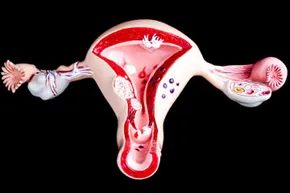
Here is what happens. The endometrium—the tissue that lines the uterus—starts growing in the wrong place. Instead of staying in the lining, it invades the myometrium, the thick muscular wall of the uterus. This abnormal growth disrupts the system.
Symptoms vary wildly. Some women experience menorrhagia, which is heavy menstrual bleeding often accompanied by clots. Others suffer from dysmenorrhea, meaning severe menstrual cramps. Painful sex and bleeding between cycles are also common. In some cases, an abnormal mass called an adenomyoma forms.
Then there are the women who feel fine. As many as 35 percent of those with adenomyosis have no apparent symptoms. They might have mild bloating or pelvic tenderness, or nothing at all. This silence makes diagnosis tricky.
We still don’t know exactly why this happens. Theories point to a few possibilities.
- Postpartum inflammation: Women who have given birth are at higher risk. Inflammation in the uterine lining after delivery might trigger the condition.
- Surgical intervention: Cesarean sections, fibroid removals, or other uterine surgeries can inadvertently push endometrial cells into the muscular wall.
- Developmental origins: Some researchers believe the condition stems from how the uterus formed during fetal development.
- Hormonal triggers: High levels of estrogen, progesterone, prolactin, and FSH may drive the disorder. Since it is estrogen-dependent, symptoms often resolve after menopause when hormone levels drop.
Adenomyosis vs. Endometriosis: What’s the Difference?
People often confuse the two. They are related but distinct.
In adenomyosis, the uterine lining grows into the muscular wall of the uterus. It stays internal. Endometriosis is different. The tissue grows outside the uterus, usually in the abdomen or pelvis. One is an internal invasion; the other is an external spread.
Can You Get Pregnant With Adenomyosis?
Adenomyosis is most common in women aged 40 to 50. This is often past childbearing years. But 15 to 25 percent of women in their reproductive years—typically their 30s—carry the condition. For these women, fertility is a concern.
The condition is not life-threatening. But it complicates pregnancy. Recent studies show women with adenomyosis face higher miscarriage rates. The risk of pregnancy loss can be double that of women without the condition. There is also an increased risk of premature labor and abruptio placentae, where the placenta detaches from the uterine wall.
The link to impaired fertility is clear. The exact mechanism remains a mystery. Researchers haven’t pinpointed why adenomyosis reduces conception chances or harms pregnancy outcomes. The structural changes likely interfere with implantation or uterine function, but the specifics are still being debated.
Treatment Options for Women Trying to Conceive
A hysterectomy is the only cure. It removes the uterus entirely. This is obviously not an option for women who want to have children.
For those trying to conceive or nearing menopause, conservative treatments aim to manage symptoms rather than cure the disease. The goal is mitigation. Keeping inflammation and bleeding under control can support a healthier environment for pregnancy, even if the underlying structural issue remains.
It is frustrating to face a condition with so many unknowns. But understanding adenomyosis helps. It shifts the focus from “why me” to “what now.” Knowledge is the first step toward navigating fertility with a condition that refuses to stay silent.
Managing pain without surgery
Pain is the first hurdle. It’s heavy, persistent, and ruins days. Over-the-counter non-steroidal anti-inflammatory drugs (NSAIDs) like ibuprofen are the go-to fix. They dull the ache and can actually lighten your monthly flow. Simple. Effective for many.
Hormones play a bigger role if you aren’t rushing into pregnancy. Birth control pills, anti-estrogens, or progesterone supplements can shrink an enlarged uterus. This isn’t just about comfort. It’s about structural relief. The uterus gets smaller. The symptoms get quieter.
But what if you want kids?
The path gets trickier. You can’t just shut down your cycle with standard birth control. Instead, doctors might prescribe gonadotropin-releasing hormone agonists (GnRH-a) like Lupron. Or aromatase inhibitors. These drugs reduce symptoms while trying to preserve fertility. It’s a delicate balance. You’re suppressing the problem without killing the chance to conceive.
Surgical options that spare your womb
If medication doesn’t cut it, surgery is on the table. You don’t have to choose a hysterectomy. There are alternatives.
Cytoreductive surgery removes the affected tissue. Laparoscopic surgery does the same with smaller incisions. Both aim to fix the issue while keeping the uterus intact.
Then there’s uterine artery embolization. This sounds intense. It is. They cut off blood flow to the damaged area. The tissue shrinks. The symptoms fade. No major incision required.
Endometrial ablation is another route. It removes or reduces the uterine lining. Less lining means less bleeding. Less pain.
A newer option is magnetic resonance-guided focused ultrasound (MRgFUS). It’s non-invasive. A concentrated burst of ultrasound energy destroys the damaged cells. The surrounding tissue stays safe. It’s promising for women who want to restore fertility. The tech is evolving. So are the options.
The co-condition complication
Adenomyosis rarely travels alone.
About 80 percent of women with adenomyosis also have other gynecologic disorders. Fibroids are common. Endometriosis is too.
This overlap is confusing. It makes diagnosis messy. You might have fertility issues. Are they from adenomyosis? Or is it the endometriosis? Or the fibroids?
It’s hard to tell. The conditions feed into each other. Treating one might not fix the root cause. You need a clear picture. A specialist who looks at the whole uterus. Not just one symptom.
Knowing what else is in there changes everything. It changes the treatment plan. It changes the prognosis.
Don’t assume it’s just one thing. Check for the others.