




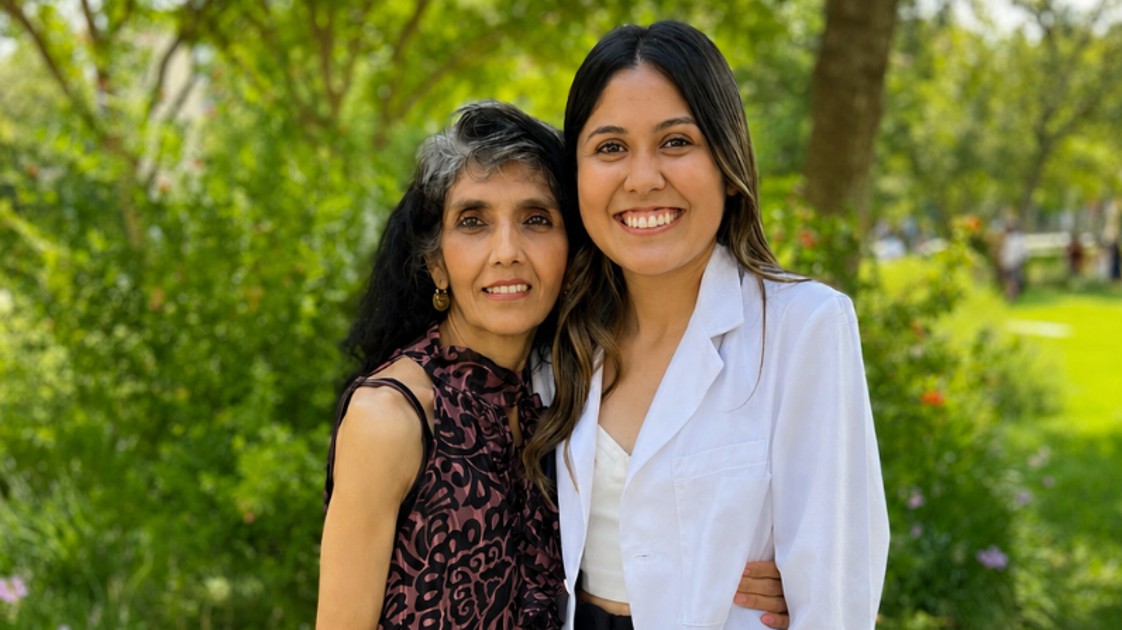
My mom stopped mid-sentence. The blank stare hit. Time slowed.
I was eight. I knew exactly what came next.
I caught her. Lowered her. Protected her head.
Adults panicked. They didn’t know what to do. But I did. For fifteen years—from age 8 to 23—I managed her seizures. I timed them. I directed strangers. I kept her safe. When the seizure ended, she’d be confused. Disoriented. Asking where she was. I’d answer. I’d explain. I’d help her regain her bearings while strangers crowded around with useless questions.
This wasn’t an emergency. It was daily. Sometimes multiple times a day.
The Invisible Workforce
My experience wasn’t unique. It’s common for youth caregivers.
An estimated 5.4 million kids and teens in the U.S. care for a family member with aging-related conditions, chronic illness, or disability. They bathe parents. They manage meds. They translate for doctors. They fill out paperwork. All while trying to survive high school and, often, part-time jobs.
The emotional cost? Huge.
For other kids, going to a friend’s house or staying after school for club activities is easy. For me? It was impossible. Every hour my mom was alone carried the risk of injury. So I stayed home. Limited extracurriculars. Fewer friend hangouts. My childhood wasn’t shaped by the same experiences as my peers’.
I became a crisis manager without training. I recognized seizures. I noted changes in her condition. I updated physicians. All before I was even an adult.
How do you carry an adult’s medical needs when you’re still growing? You stress. You worry. Even when I left the house, I couldn’t relax. Something could happen. Always.
Policy Ignores Youth Caregivers
Here’s the hard truth: public policy doesn’t see youth caregivers.
In California, where I live, the Family Caregiver Services Program offers respite care and financial aid. But only to adults 18 and over. Youth caregivers? We get nothing. No credit. No support. We do the work, but the system excludes us.
Medicaid funding is getting cut. States are narrowing programs that once compensated family care. In Colorado, they’re reconsidering support. In Ohio, a proposed ban on Medicaid payments to family caregivers was recently removed from a fraud bill. Thanks, but the threat lingered.
Critics cite fraud. The data disagrees. Between 2022 and 2025, HHS reported that over 75% of the ~6% of improper Medicaid payments came from missing documentation or errors—not fraud. It’s bureaucracy. Not theft.
Family caregivers are the backbone of long-term care. They keep millions of older adults and people with disabilities at home. The number of family caregivers rose from 18.2 million in 2011 to 24.1 million in 2022.
Who Carries the Burden?
The burden falls hardest on lower-income families. Pew Research found that 39% of lower-income adults care for a parent, spouse, orpartner 65 or older. Compare that to 23% of middle-income and 16% of upper-income adults.
The baby boomer generation is aging. The caregiver support ratio—the number of adults 45-64 for every person over 80—plummets. It was 7.0 in 2001. By 2050, it’ll be 2.9. Fewer helpers. More demand.
Who fills the gap? Younger family members.
Research shows family caregivers reduce costs. Better hospital discharge planning. Fewer readmissions. Shorter stays. Lower spending. So why are we cutting support?
Schools say they can’t afford to identify or support youth caregivers. Failing to recognize us costs them. A 2024 Demography study found youth caregivers are 8 percentage points less likely to be enrolled in high school. When enrolled, they spend 15.5 less time on educational work. That’s like missing 11% of every school day.
For me? Homework was done in the living room or kitchen. I split my attention. Schoolwork vs. mom watching. Concentration? Nearly impossible.
After-school activities? Rare. I needed to be home. Fast. To prevent unwitnessed seizures.
A 2006 Bill & Melinda Gates Foundation study found 22% of young adults who dropped out did so to care for a family member. Schools overlook youth caregivers, and students don’t just stop caring. They fall behind. They sacrifice opportunities. They leave school.
A Path Forward
California has a chance to change this.
CA Assembly Bill 2324 aims to recognize youth caregivers in grades 9-8 who support family members with chronic illness or disability. The bill would direct the CA Department of Education integrate caregiving into the curriculum. Schools would learn about the challenges. They’d recognize family caregiving as work-based learning. It could even qualify for Work Experience Education credit.
This bill asks California to see the reality. To provide support before caregiving blocks education.
Personal Resolution
After years of advocating for my mom’s care, she had resective brain surgery in 2202. Convulsive seizures stopped. She regained some independence. Simple things—like walking the neighborhood without fear—are possible again.
I’m 27 now. Fourth-year medical student. My caregiving hasn’t vanished; it’s evolved. My younger sisters handle the day-to-day for our 56-year-old mom. They balance school, work, and life. I’m in a supportive role now.
But no youth caregiver should navigate this alone. No one should choose between a loved one and their own future.
My sisters—and all future generations—need recognition. Mental health support. Academic flexibility. Community resources. Caregiving should count. Academic credit. Service-learning. Financial compensation.
My story proves it. Youth caregiving builds resilience. Advocacy. Crisis management. Problem-solving. Communication. Leadership. These skills transfer. They deserve credit.
By investing in youth caregivers, we say: we see you. Your work matters. With bills like AB2324, we can ensure they pursue futures without sacrificing education or well-being.
The conversation isn’t over. But it’s starting.