



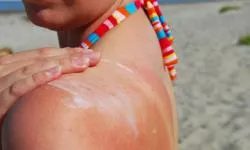
The sun has been a deity for millennia. In the last hundred years, though, we started worshipping it by baking under its heat. The result is usually a golden tan that barely hides the angry red burn underneath. If you’ve pushed your skin too far and ended up with a sunburn, home remedies can take the edge off while nature does the heavy lifting. These fixes won’t reverse the cellular damage from unprotected exposure. They just make the wait bearable.
Cool Water Compresses
Start with a bath. Not a hot one. Never hot. Heat pulls moisture from already compromised skin and makes the inflammation worse. You want tepid or cool water. It soothes the nerve endings. It constricts the blood vessels.
Fill the tub. Let the water level cover the affected areas. Stay in for about fifteen minutes. If you don’t have a tub, a shower works too. Keep the water cool. No scrubbing. Your skin is raw. Friction is the enemy right now.
There is some debate about adding things to the water. Oatmeal baths are traditional. Colloidal oatmeal can reduce itching. It acts as a gentle barrier. Baking soda might help too. Half a cup in the water. It can neutralize the pH balance slightly. But plain water is often enough. Don’t overcomplicate it. The goal is comfort, not a spa treatment.
Pat dry. Do not rub. Rubbing strips away the skin’s natural oils and irritates the burn further. Let air dry if you can. Or use a soft towel to gently press the water away. Leave the skin slightly damp. This helps with the next step.
The Moisture Lock
Once the skin is cool and damp, you need to seal in that hydration. Aloe vera is the gold standard. It’s anti-inflammatory. It cools. It hydrates. Use fresh gel from the plant if you have it. Store-bought gel works too. Just check the label. Avoid products with alcohol. Alcohol dries the skin out. It stings. It makes the burn feel worse.
If you don’t have aloe, coconut oil is an option. It’s moisturizing. It has some antimicrobial properties. Shea butter is another choice. Keep it simple. No fragrances. No dyes. Your skin is inflamed. Additives are just noise it doesn’t need.
What to Avoid
Don’t use butter. It traps heat. Don’t use ice directly on the skin. It can cause frostbite on top of the burn. Don’t pop blisters. They are nature’s bandage. Breaking them opens the door to infection.
These remedies buy you time. They don’t fix the UV damage. That’s done. But they can keep you from pulling your hair out in agony while your body repairs itself.
Stay out of the sun. Cover up. Wear loose cotton. Tight synthetic fabrics will chafe. You don’t need that. Listen to your body. If the pain is severe, or if you have fever and chills, that’s not just a sunburn anymore. That’s heat stroke or infection. See a doctor.
For minor burns, though, patience and cool water are your best friends. The redness will fade. The peeling will come. It

There is a specific kind of panic that sets in when you realize you’ve turned lobster pink. The heat radiating off your skin feels personal. It feels like a mistake you can’t undo. Before you rush to the pharmacy for the most expensive gel you can find, look at what’s already in your pantry.
The Baking Soda Soak
It sounds almost too simple to be effective. Add a few heaping tablespoons of baking soda to cool bath water. The goal here is relief, not deep cleaning. Keep your soaking time down to 15 to 20 minutes. If you soak any longer, you risk drying out your already lizard-like skin. Sunburned skin is compromised. It has lost its ability to hold onto moisture. More time in the water won’t help; it will only hurt.
When you step out, resist the urge to towel off. Patting or rubbing just adds friction to tissue that is screaming in pain. Instead air-dry, and don’t wipe the baking soda off. Let it sit there. It works better when it stays on the skin.
The Oatmeal Alternative
Oatmeal added to cool bathwater offers another wonderful relief for sunburned skin. Fill up the bathtub with cool water–not cold water because that can send the body into shock. Shocking the system with ice-cold temperature can cause your blood vessels to constrict rapidly, trapping heat inside rather than letting it dissipate.
Don’t use bath salts, oils, or bubble bath. Those additives can sting or trap heat against the skin. Instead, scoop 1/2 to 1 cup oatmeal — an ideal skin soother — and mix it in. Another option is to buy Aveeno, an oatmeal powder found in the pharmacy. Follow the packet’s directions. As with the baking soda, air-dry your body and don’t wipe the oatmeal off your skin.
2: Add Some Aloe Vera
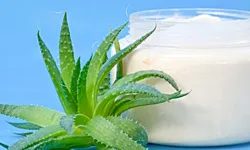
The thick, gel-like sap inside an aloe vera leaf is a classic remedy for a reason. It works by constricting blood vessels, which helps reduce the stinging and redness that comes with a sunburn. You don’t need a fancy prescription. Most local nurseries or even the floral section of your grocery store carry fresh aloe plants. Just slice open a broad leaf and rub the clear gel directly onto the burn. Do this five to six times a day for a few days. It’s simple, cheap, and effective.
How to Use a Cool Compress for Sunburn Relief
If you don’t have fresh aloe on hand, or if you need something to bring down heat quickly, a cool compress is your next best move. The goal here isn’t ice-cold shock, but gentle cooling.
Take a clean washcloth or a soft towel. Soak it in cool water—chilled, not freezing. Wring it out so it’s damp but not dripping. Lay it gently over the burned skin. The coolness helps soothe the inflammation and provides immediate relief from the burning sensation.
Leave the compress in place for about 15 to 20 minutes. You can repeat this process as often as you like, especially if the skin feels hot to the touch. This method is particularly useful for larger areas of sunburn, like your back or shoulders, where aloe gel might be too tedious to apply frequently.
Why does this work? Heat expands blood vessels, which increases swelling and pain. Cooling them down reverses that process. It’s a simple physical reaction, but it makes a huge difference in comfort levels. Just make sure the water isn’t too cold. Ice or freezing water can damage already compromised skin and make the burn worse. Stick to cool, not cold.
Keep a few clean towels in the bathroom or kitchen specifically for this purpose. You’ll want to switch them out regularly so they don’t just warm up from your body heat. The consistency of the cooling matters as much as the act itself.

The Power of the Cool Compress
Stop. Don’t reach for the ice. Putting ice directly on sunburned skin is a mistake that can do more harm than good. It traps heat or causes further tissue damage. Instead, grab a washcloth. Drench it in cool water. Apply it directly to the burned areas for several minutes. Keep the cloth cool by rewetting it frequently.
You can repeat this process multiple times a day. Let it relieve the discomfort. For an extra boost, add a soothing ingredient to the water. Baking soda is easy. Just shake a bit into the water before soaking the cloth. Oatmeal works too. Wrap dry oatmeal in cheesecloth or gauze. Run water through it. Discard the oatmeal. Soak your compress in the resulting water.
4: Drink Water
Hydration is non-negotiable. A sunburn pulls fluid to the skin’s surface. It leaves your body dehydrated. Drink water. Lots of it. Help your body heal from the inside out.

Sunlight doesn’t just cook the surface of your skin; it pulls moisture out from within, leaving you parched and peeling. If you’re nursing a burn, the first line of defense isn’t a bottle of aloe—it’s your water bottle. Rehydrating from the inside is non-negotiable for recovery. Your body needs those fluids to repair the damaged tissue, and being well-hydrated literally helps the burns heal faster. How do you know if you’re doing it right? Check the mirror in the bathroom. When your urine is nearly clear, you’re on track. If it’s dark, drink more.
Cool Off With a Soak
Once your internal hydration is sorted, it’s time to tackle the external heat. A lukewarm bath can provide significant relief, but don’t go for hot water—that will only make the inflammation worse. Oatmeal baths are a classic for a reason; colloidal oatmeal soothes the itch and calms the skin barrier. If you don’t have oatmeal on hand, a plain cool shower works too. Pat your skin dry gently. Never rub. Rubbing burns is like picking a scab before it’s ready, and it delays healing.

6: Lock in the Moisture
Once you’ve cooled off, the real work begins. Your skin barrier is compromised, stripped of its natural oils by the sun’s harsh rays. Leaving it bare is a mistake. You need to replenish what was lost.
Moisturizing isn’t just a luxury. It’s a repair mechanism.
Look for ingredients that actually help. Aloe vera is a classic for a reason. It soothes and hydrates. Hyaluronic acid pulls moisture into the skin. Ceramides help rebuild the protective layer that UV damage has weakened. If your skin feels tight, it’s screaming for help. Listen to it.
Avoid products with alcohol, fragrance, or harsh exfoliants. These might smell nice or feel “clean,” but they will sting. They will make the peeling worse. Keep it simple. Gentle. Effective.
Apply lotion while your skin is still slightly damp. This traps the water on your surface. Seal it in. Don’t rub it in aggressively. Use gentle, sweeping motions. Let the product do the work.
Reapply as needed. If it’s hot outside, you might need to layer up more than once a day. If you’re indoors with AC, you still need it. Dry air pulls moisture from your skin just as fast as the sun does.
Which moisturizer is best for sunburn?
There is no single “best” brand. Look for labels that say “fragrance-free,” “hypoallergenic,” and “for sensitive skin.” Thick creams or ointments generally work better than thin lotions for severe burns. Lotions can evaporate too quickly. Creams stay put.
Don’t wait for the burn to peel before starting. Start now. Prevention of further damage is easier than fixing deep peeling later. Your future self will thank you when the redness fades and the skin comes back healthy, not shiny and tight.
Hydrate from the inside too. Drink water. Your skin needs it to function. If you’re dehydrated, the external application is less effective. It’s a two-part system. External support. Internal supply.
Skip the butter. No, not even the coconut oil if your skin is raw. Stick to products designed for post-sun care. Or simple, plain petroleum jelly if you have nothing else. It creates a barrier. It stops moisture from escaping. It’s not glamorous. It works.
The goal is comfort. The goal is healing. The goal is avoiding that itchy, peeling phase if you can. You can’t always stop the peel. But you can make it less miserable.
Moisturize. Again. And again. Until the skin feels like skin again. Not plastic. Not parchment. Soft. Supple. Yours.

The sun doesn’t just warm you up. It pulls moisture right out of your skin. UV damage makes cells and blood vessels leak, which leads to even greater dehydration. It is a vicious cycle. You feel hot, you seek relief, but your usual cooling tactics might be making things worse.
Cool baths feel amazing at first. So do ice packs. But prolonged exposure to cold water can strip the protective lipid barrier from injured skin. You are left tighter, drier, and more prone to peeling later. The relief is immediate but short-lived. The damage is cumulative.
Lock in Moisture Immediately
Timing matters more than you think. Do not let your skin air dry after stepping out of the shower or bath. Pat it gently until it is just damp, then apply moisturizer immediately. This traps the water on your skin’s surface. It stops the evaporation process before it starts.
For deeper relief, try chilling your moisturizer. Keep your lotion or gel in the refrigerator. Apply the cold product directly to the burn. The temperature drop soothes the pain. The hydration repairs the barrier. Two benefits in one step.
7: Pat Down With Potatoes
Yes, really. Potatoes are not just for dinner. They are a time-tested remedy for sunburn pain. The starch in raw potatoes helps draw heat out of the skin. It also has anti-inflammatory properties. This is not a myth. It is a simple, accessible treatment that works.
How to Use Raw Potatoes for Sunburn Relief
You do not need a complex recipe. Just grab a raw potato. Peel it if you prefer, though the skin is fine too. Grate it into a pulp or slice it thinly. Lay the slices directly over the burned area. Or press the grated pulp gently against the skin. Let it sit for 15 to 20 minutes. Rinse with cool water. Repeat as needed.
The cool starch soothes the sting. It does not cure the burn. It does not reverse DNA damage. But it makes the wait for healing more bearable. And it keeps the skin hydrated without heavy chemicals.
Why This Works
Potatoes contain enzymes that may help reduce inflammation. The high water content cools the tissue. The starch forms a light barrier that locks in moisture. It is gentle. It is cheap. It is effective.
If you are sensitive to plant extracts, do a patch test first. But for most people, a raw potato compress is safe and soothing. It is a small step. It adds up.
Other Quick Tips for Sunburn Care
- Avoid picking. Peeling skin will come off naturally. Pulling it causes scarring and infection.
- Stay hydrated. Drink water. Your skin needs it from the inside out.
- Use aloe vera. Pure aloe gel calms redness. Avoid products with alcohol. They dry skin further.
- Wear loose clothing. Tight fabrics rub against burned skin. Friction increases pain.
- Sleep in a cool room. Heat worsens inflammation. A cooler environment helps your skin recover.
Sunburn is a warning. Not a badge of honor. It is a sign that your skin was overwhelmed. Treat it with care. Listen to it. The damage is done. Now is the time to

When You Need Cornstarch
Potatoes are great, but they require a blender and a fair bit of cleanup. Sometimes you just need something from the pantry that doesn’t involve chopping. That’s where cornstarch comes in. It’s not just for thickening gravies. It has a cooling, drying effect that soothes minor skin irritations.
Here is how to use it. Sprinkle a generous amount directly onto the affected area. The powder absorbs moisture and reduces friction. This is especially helpful for rashes or chafing. For burns, it can help cool the skin if applied immediately. Let it sit for about 15 minutes. Then rinse with cool water. Pat dry. Do not rub.
This method is messy in a different way. You will get white powder everywhere. But it works fast. And it is cheap. Keep a box in your first aid kit. You might not think of it until you need it. Then you will be glad you did.
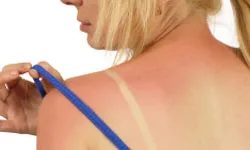
You know the sting. It’s the specific agony of the skin where fabric meets flesh. The bikini line. The dip under the buttock. The sensitive curve beneath the breast and the hollow of the armpit. These are the blind spots. You missed them when you slathered on the sunscreen for sensitive areas, or maybe you just rubbed it off when you sat down. Now, the burn is real. And the pain is about to get worse because tight elastic is grinding into raw skin all day.
It feels like a double whammy. First, the sun betrays you. Then, your wardrobe punishes you.
So, how do you stop the chafing before it turns into a full-blown rash?
The Cornstarch Trick
There is a simple, old-school fix for that burning friction. Dusting cornstarch on sunburn. It sounds too simple to work, but it does. A light powder creates a barrier. It absorbs the sweat. It lets the skin glide against the fabric instead of sticking to it.
Do not, under any circumstances, slap on petroleum jelly or heavy oils. It feels soothing in the moment, but you are trapping the heat. You are blocking the pores. You are essentially sealing the burn in place. Let the skin breathe. Keep it dry. Keep it cool.
Cover the burned area with a dusting of cornstarch. Don’t apply petroleum jelly or oils, which can exacerbate the burn by blocking pores.
When to Stop Touching It
There is a line. You cross it when the skin blisters.
If you see fluid-filled bumps forming, stop treating it like a dry rub. Do not apply anything. No powder. No oil. No aloe. Nothing. Blistered skin is compromised skin. It is an open door to infection. If you slather cream on it, you’re just feeding the bacteria.
Let it alone. Let it heal. If it pops, keep it clean and covered with a sterile bandage, not a layer of grease.
The pain in those hidden spots is manageable, but only if you respect the skin’s limits. Push too hard with home remedies and you make the injury worse. Step back. Powder the dry burns. Leave the blisters to their own devices. It’s not glamorous, but it’s the only way out.

Grab an Over-the-Counter Pain Reliever
Sometimes you need more than just a cool compress. Oral medications can take the edge off that deep, throbbing ache that topical creams just can’t reach. Nonsteroidal anti-inflammatory drugs (NSAIDs) like ibuprofen or naproxen are usually the go-to for sunburn because they tackle both pain and inflammation at the source. Acetaminophen works too, though it won’t reduce the swelling as effectively.
Timing matters. Taking these meds as soon as you realize you’ve been burned can stop the inflammation from ramping up. Don’t wait until the pain is unbearable to swallow a pill. Follow the dosage instructions on the bottle, and if you have stomach issues or other health conditions, check with your doctor first. It’s a small step, but for many, it makes the difference between miserable and manageable.
Moisturize, But Pick the Right Stuff
Hydration is key. Sunburned skin is screaming for moisture, but slathering on heavy, oil-based products can trap heat and make things worse. Look for aloe vera or soy-based lotions. These ingredients help soothe the skin and lock in water without clogging pores.
Avoid products that contain benzocaine or “caine” ingredients like lidocaine in your moisturizer if you’re already using a separate topical anesthetic. You don’t want to overdose your skin on numbing agents. Also, stay away from petroleum jelly or coconut oil in the early stages. They create a barrier that keeps the heat inside your skin, potentially causing more damage.
Apply the moisturizer while your skin is still slightly damp, right after a cool shower. This helps seal in the water. Don’t be afraid to reapply frequently. Dry, peeling skin is uncomfortable, and keeping it hydrated speeds up the healing process.
Let the Skin Heal Naturally
Here’s the hard part: don’t pop the blisters. If you get blisters, they’re a sign of a second-degree burn. Those blisters are your body’s natural bandage. They protect the raw skin underneath from infection. Popping them opens the door for bacteria and can lead to scarring.
Let the blisters break on their own. If one pops accidentally, keep the area clean and apply an antibiotic ointment to prevent infection. Cover it with a non-stick bandage if needed. It’s tempting to pick at the peeling skin later on, too. Resist the urge. Picking can tear healthy skin and cause hyperpigmentation.
Know When to Call the Doctor
Most sunburns heal within a week or two. But some burn into the territory of medical emergency. Watch for signs of heat exhaustion or heat stroke, especially if you were out in the sun for hours. Symptoms include:
- Dizziness or fainting
- Rapid breathing
- Confusion
- Nausea or vomiting
- High fever
If you see these signs, get to a cool place and hydrate immediately. If symptoms don’t improve, seek medical help.
Also, contact a doctor if:
- The burn covers a large portion of your body
- The pain is severe and unmanageable with OTC meds
- You have signs of infection, like pus, increasing redness, or red streaks spreading from
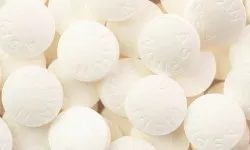
Over-the-counter pain relievers like aspirin and ibuprofen are your first line of defense. They do double duty: they take the edge off the pain and bring down that angry inflammation. Just make sure you take them with food, following the label’s directions to the letter. If your stomach turns, stop immediately.
Can’t take NSAIDs? Acetaminophen is the alternative. It helps with the pain, but don’t expect it to touch the swelling. Always check the safety guidelines for OTC analgesics before popping pills.
No matter what you put on your skin, let the discomfort be a lesson. Sunburn is damage. You can soothe it, but you can’t truly “heal” the injury without time and protection. Next time, block the sun.
Can You Heal Sunburn Redness Overnight?
Let’s be realistic. Unless your burn is barely a whisper of red, you aren’t waking up with pristine skin tomorrow. Real healing takes days.
If you’re wondering how to get rid of a sunburn on your face, the protocol is specific. Wash your face with cool water—no hot showers, no scrubbing. Drink water like it’s your job; your skin is dehydrated. Take ibuprofen or aspirin to kill the inflammation. Then, slather on aloe vera or a dedicated sunburn moisturizer every few hours. Keep it consistent.
The Best Home Remedy When You’re Stuck Inside
Pharmacies are closed? No problem. You can treat sunburn with what’s already in your house.
- Cool down. Take a short shower or soak in a tub. Use cool water. Skip the soap—it strips natural oils. Don’t use a washcloth; it’s too abrasive.
- Dry gently. Pat your skin dry. Do not rub.
- Moisturize. Apply a thick layer of any fragrance-free lotion you have on hand. If it’s in the fridge, even better. The cold adds to the soothing effect.
- Hydrate internally. Drink more water.
- Dress loosely. Tight clothes will chafe the damage.
- Cool compresses. Apply a cool, wet cloth to the burned areas every few hours.
- Reapply. Lotion dries out. Put it back on often.
What Stops the Sunburn Sting?
That stinging, itching sensation is annoying. For temporary relief, look for a topical anesthetic containing lidocaine. Brands like Solarcaine work by numbing the nerve endings.
Want something more unconventional? Raw potatoes. Blend them up and apply the mash to the burned skin. It acts as a natural pain reliever and cools the area effectively.
Do Sunburns Turn into Tans?
Sometimes. If you have a genetic predisposition to tanning, a sunburn might fade into a tan over time. But for many, especially those with fair skin, the redness fades back to your natural baseline.
Redheads, for example, often don’t tan after a burn. It comes down to a faulty MC1R gene. The skin just doesn’t produce the right type of melanin to create a tan. It goes red. It peels. It returns to pale.
“Sunburn can be relieved naturally, but it is never good for the skin.”
The skin remembers. Every burn adds up. Protect it.