
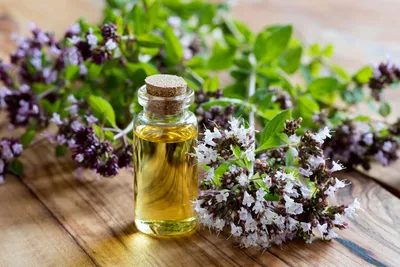
Oil is a slippery, water-repellent substance that you’ll find in everything from salad dressing to skin serum. It remains liquid at room temperature. It refuses to mix with water. The list of oils is endless, ranging from plant extracts in a diffuser to grease in a frying pan.
They contain essential oils. Orris oil. Mineral oil. Even whale oil and tall oil, relics of another time. Then there are the kitchen essentials: olive oil, vegetable oil, canola oil and luxurious argan oil. Add fish oil and perilla oil as well as linseed and tall oil. Citronella keeps insects away. Each of them is unique. Everyone has a purpose.
But let’s talk about heavy hitters. Fixed oils. These will keep your body running and your furniture looking good.
The chemistry of grease
Fixed oils and greases are chemically identical twins. They consist of glycerides. This is due to the reaction between glycerin (alcohol) and greasety acids. It’s organic chemistry. Together with proteins and carbohydrates, these glycerides form the triad of the human diet. They feed you.
But they also build things.
linseed oil. Tung oil. These are drying oils. They are rich in unsaturation and react with air. When exposed to oxygen, they polymerize. They harden. They form a thin, protective skin. This makes them ideal for paints, varnishes and alkyd resins. A layer of linseed oil on top of the wood is not just decoration; it is a chemical protection.
Large quantities of soybean, sunflower and safflower oils serve the same industrial purpose. They harden. They protect.
Outside the kitchen
Not all oils are edible. Not all oil is meant to stay liquid.
Special oils and sulfonated oils are used for leather dressing. They keep the skins flexible. They are important in textile production. They make fabrics waterproof and wear-resistant.
Some oils are healing. Castor oil is a powerful laxative. It clears the system. Fish-liver oils contain vitamins A and D, which are essential for bone health and immunity. Other oils, such as lard, olive oil and almond oil, act as carriers in pharmaceutical preparations. They carry medicines into the body.
Chaulmoogra oil is less well known. It contains unique greasety acids with a cyclic structure. Historically, it was used to treat Hansen’s disease or leprosy. A rare chemical solution to a rare disease.
Why it matters
We often think of oil only as a commodity. A price on a chart. A bottle on the shelf. But that’s chemistry in motion. It’s the difference between a dry, cracked joint and a lubricated one. Between a finish that lasts a decade and a one that peels in a year. Between a meal that nourishes and one that simply fills you up.
The next time you drizzle olive oil on your salad or apply argan oil to your hair, think glycerides. Think greasety acids. Remember, this is a complex molecule whose history stretches back to the industrial revolution and the metabolic processes of the human body.
It’s not just grease. It’s infrastructure.