




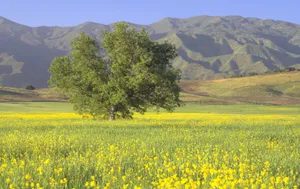
Mustard isn’t just a condiment. It’s the ground-up result of pungent seeds from two specific plants in the Brassicaceae family. You probably know the two main varieties. There is white or yellow mustard (Sinapis alba ), which hails from the Mediterranean. Then there is brown or Indian mustard (Brassica juncea ), which started in the Himalayas.
The history here is deep. People have used these seeds as a spice since the earliest recorded times. We know this from Indian and Sumerian texts that go back to 3000 bce. Greek and Roman writers mentioned the plants frequently. The Bible references them too. In the New Testament, the tiny mustard seed stands as a symbol of faith.
Ancient physicians relied on it for healing. Hippocrates used mustard medicinally. Other doctors did too. It wasn’t always for sandwiches.
Mustard is unusual among spices in that it is mainly grown in the temperate regions of the world.
By the 20th century, things changed. The use of mustard as a spice and condiment exploded. It became the largest spice by volume in world trade. That is a big shift from ancient medicine.
Where does it come from now? It’s largely grown in temperate zones. The Canadian and U.S. Great Plains are major hubs. Hungary produces it too. So does Britain. Other countries grow smaller amounts. In the main producing nations, everything is mechanized. The crop production is fully automated.
The Science Behind the Heat
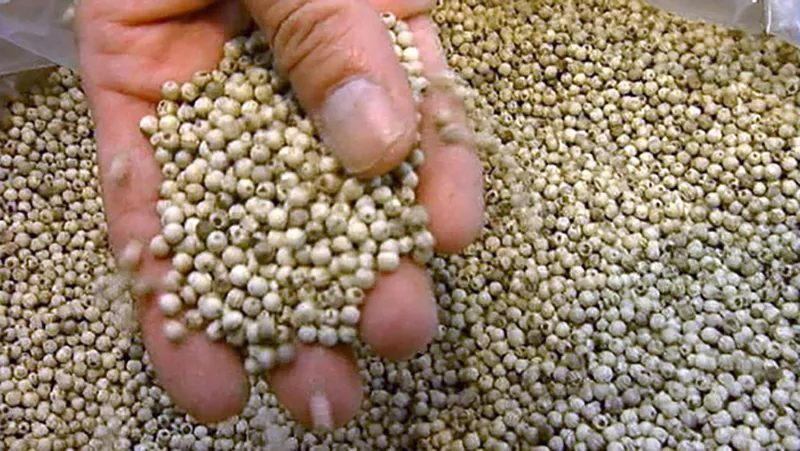
It starts with a seed. Small. Nearly round. Pitted like a tiny planet surface. You can buy them in white or brown. White is pale yellow. Brown is darker. Both sit at about 2.5 millimeters across. They smell like nothing. Taste like nothing. Not until you chew them. Or mix them with water.
This is where the magic happens.
Inside every seed is a secret handshake between two chemicals. An enzyme called myrosin. And a glucoside. When the seed stays dry? Nothing. It’s quiet. But break that cell wall. Add liquid. Suddenly, a chemical reaction kicks off. It creates an oil that isn’t actually there in the plant to begin with.
The type of oil depends on the seed. Brown mustard seeds produce volatile oil. Pungent. Irritating. Sharp enough to make your nose water. White mustard seeds? They make sinalbin mustard oil. Nonvolatile. Less smell. But it hits the tongue with a warm heat. That’s why white mustard feels different. It’s not about the smell. It’s about the burn.
Choosing Your Condiment
So why does it matter which seed you use? Because the flavor profile dictates the dish.
Think about the jar on your fridge. Mustard comes in three main forms. First, whole seeds. Whole. You chew them for a pop of texture. Second, dry powder. This is the key to maximum aroma. Mix it with water right before you eat. Let it sit. The reaction completes. You get the full punch. Third, prepared paste. Already mixed. With vinegar. Wine. Starch. Flour. The starch or flour tones down the sharpness. It makes it spreadable. Palatable.
The choice of seed matters here too.
French-style mustards? They lean on the brown seed. Why? Because that volatile oil is aggressive. It cuts through rich foods. American or German pastes? They use the white seed. Milder. The heat is there, but it’s a background note. It doesn’t shout. English mustard products? They use both. Playing all the angles.
Where Mustard Fits In
We don’t just eat mustard. We hide it.
It’s in mayonnaise. A spoonful adds depth. You can’t taste the mustard, exactly. But the mayo isn’t flat anymore. It’s in sauces. Pickles. It’s the backbone of many salad dressings. And let’s be honest. It’s the only thing that works well with cold meats. Sausages. Deli cuts.
There was a time when mustard wasn’t just food. It was medicine.
Mustard plasters. Yes, really. They used the strong counterirritant properties of the oil. Put it on your chest for a cold. The irritation draws blood to the surface. Distracts the nerves. Treats the ailment. We don’t really do that anymore. Or maybe we should. The heat is real. It works.
Why This Matters Now
You might be buying pre-made paste because it’s easy. That’s fine. But if you want the real thing? Buy the dry powder. Buy the seeds. Mix it yourself.
The difference is in the timing.
When you mix powder with water, you’re controlling the reaction. You’re deciding when the